
Nepal's Himalayan treks, from Everest Base Camp to Annapurna Circuit, deliver epic scenery, Sherpa culture, and personal growth. Best in spring/fall; prioritize acclimatization, permits, and sustainability for safe, rewarding adventures.
Trekking in Nepal
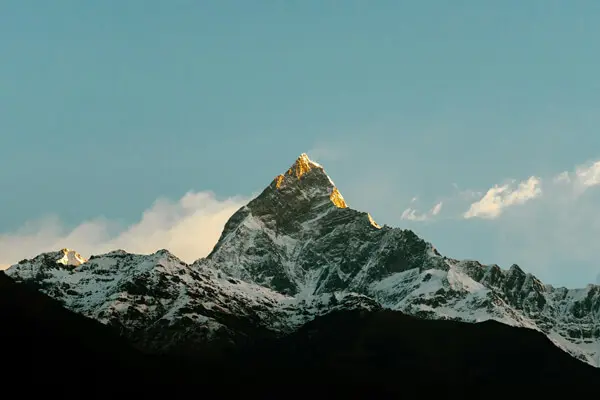
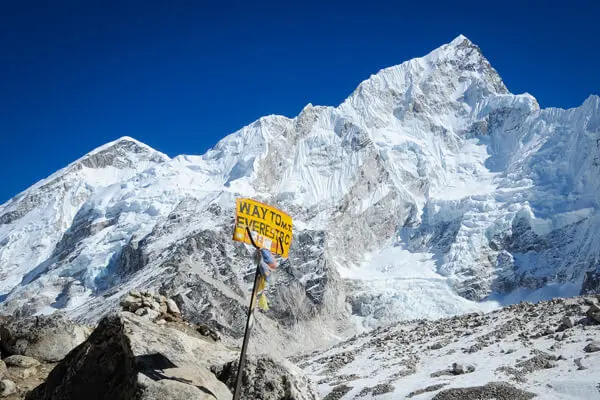
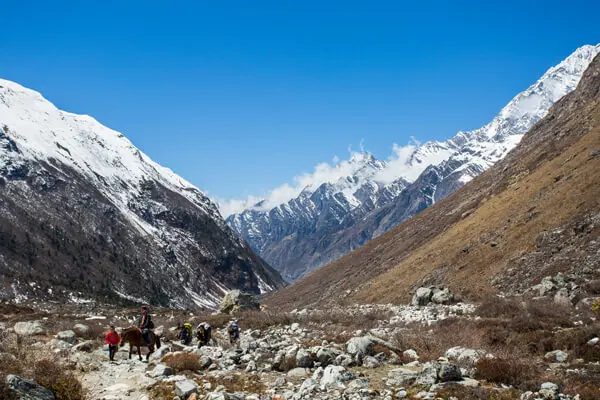
Trekking in Nepal offers an unparalleled adventure through the world's highest peaks, blending raw natural beauty, cultural immersion, and personal challenge. Nestled in the Himalayas, this landlocked nation boasts eight of the planet's 14 peaks over 8,000 meters, including Everest, making it a mecca for trekkers worldwide. Whether you're a novice seeking scenic trails or a seasoned hiker chasing summits, Nepal's diverse routes cater to all levels, promising transformative journeys amid breathtaking landscapes.
Iconic Trekking Routes
Nepal's trekking scene shines with legendary paths. The Everest Base Camp (EBC) trek, a 12-14 day odyssey from Lukla, climbs to 5,364 meters, offering glacier views and Sherpa hospitality. You'll pass Namche Bazaar, a bustling hub of monasteries and markets, before reaching the rocky base camp beneath the world's highest mountain.
For solitude seekers, the Annapurna Circuit loops 200+ kilometers around the Annapurna massif, crossing Thorong La Pass at 5,416 meters. This 14-21 day route weaves through rhododendron forests, terraced fields, and Tibetan-influenced villages, now enhanced by the shorter Annapurna Base Camp trek for easier access.
Off-the-beaten-path gems like the Langtang Valley trek revive spirits post-2015 earthquake, showcasing Tamang culture and Langtang Lirung's icy faces in just 7-10 days. Upper Mustang's restricted area reveals ancient Buddhist kingdoms, desert-like canyons, and sky caves, ideal for cultural explorers.
Best Seasons and Practical Tips
Prime trekking windows are pre-monsoon (March-May) for clear skies and blooming flora, and post-monsoon (September-November) for crisp views. Winter brings snow challenges, while summer monsoons muddy trails—avoid unless you're monsoon-hardy.
Preparation is key. Acclimatize gradually to dodge acute mountain sickness (AMS); consult guides via the Trekking Agencies' Association of Nepal (TAAN). Permits like TIMS (Trekking Information Management System, ~$20) and region-specific ones (e.g., $30/week for Everest) are mandatory. Teahouse lodges provide basic beds and dal bhat meals, but pack layers, trekking poles, and a water purifier. Hiring a licensed guide or porter enhances safety and supports locals—porters carry up to 30kg for ~$25/day.
Sustainable practices matter: stick to trails, shun plastics, and choose eco-friendly operators. Nepal's tourism employs millions, so your trek fuels rural economies.
Challenges and Rewards
Trekkers face steep ascents, altitude woes, and unpredictable weather, but rewards eclipse them. Dawn at Poon Hill reveals Annapurna and Dhaulagiri bathed in gold. Yak caravans plod by prayer flags fluttering in crisp air. Evenings spark tales with locals over masala tea, bridging worlds.
Nepal's treks build resilience, fostering humility amid giants like Everest (8,848m). Post-trek, Kathmandu's Thamel buzzes with gear shops and momos, easing re-entry.
In essence, trekking Nepal isn't just walking—it's a soul-stirring pilgrimage through Earth's roof, where every step etches memories eternal.
Need Help? Call Us
+62 812 21582156