Best time for Annapurna Base Camp
February, March, April, and May are the best months to hike to Annapurna Base Camp before the monsoons. The weather at this period is very stable, the temperature is not so hot, the skies are quite clear, and the trails offer spectacular views of the Himalayan mountains and the colorful rhododendron forests.
Best Months of the Post-Monsoon Trekking Season.
In the case of post-monsoon trekking, late September, October, November, and December are the months that are recommended. These months provide clear skies, new landscapes following the monsoon, and a good view of such mountains as Annapurna I. Early September can be used, but later months are more favorable due to more favorable trekking conditions.
Trekking Months.
The best months to go to the Annapurna Base Camp on a trek are February, March, November, and December. These seasons offer smaller numbers of people, clear skies, pleasant temperatures, and relaxing hiking, which makes the trekking process enjoyable and memorable.
Trekking Difficulty and Major Obstacles at Annapurna Base Camp
The Annapurna Base Camp trek is among the most rewarding trekking experiences in the Himalayas; however, it is associated with challenges. Although it is appropriate for moderately experienced trekkers, it is important to note that the physical, environmental, and technical requirements need to be understood in order to be prepared to make the journey safe and enjoyable.
1. Physical Demands
The pilgrimage includes a series of long walks, approximately 5-7 hours a day, mostly on rocky paths, up stone steps, and on rough ground. Trekkers are required to be well-endured and strong in their legs to handle constant uphill and downhill movements. Sometimes carrying a backpack involves walking on uneven surfaces, and this adds to the physical demand. Taking several days of walking without rest can be exhausting, especially for novices. It is strongly recommended to prepare by practicing cardio exercises, hill walks, and strength training.
2. Altitude Considerations
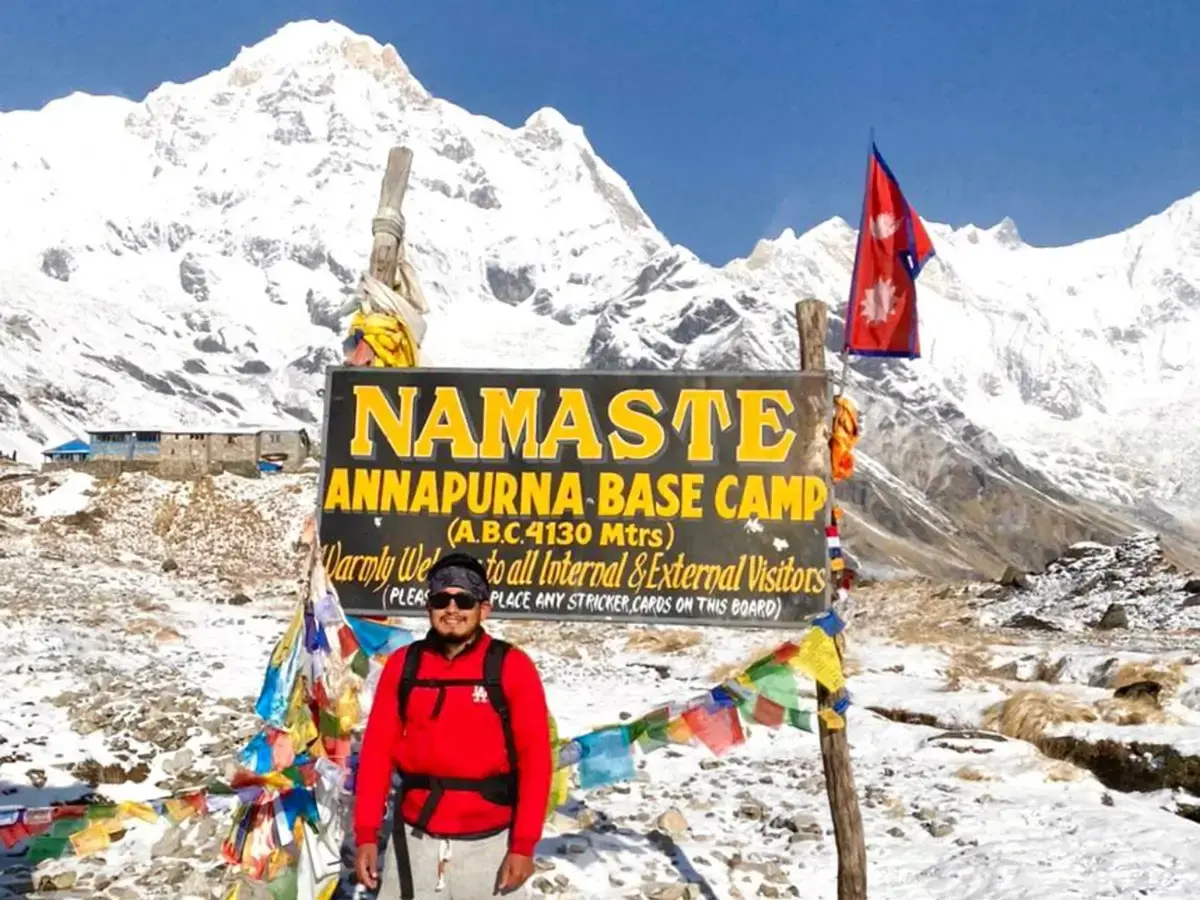
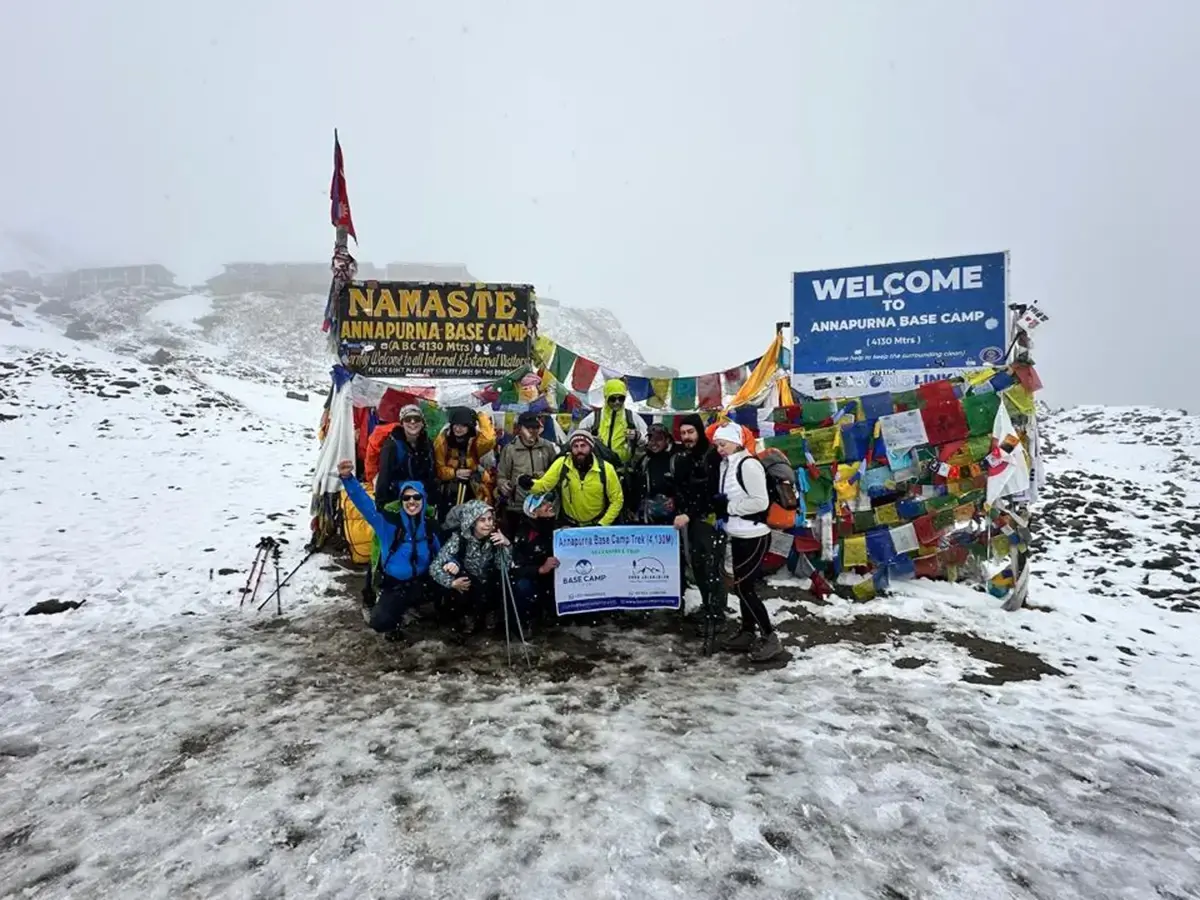
The base camp of Annapurna is 4,130 meters (13,550 ft), and altitude sickness is a genuine threat. Headache, nausea, dizziness, and fatigue are the common symptoms. The risks should be reduced with proper acclimatization days, hydration, and gradual ascent. Trekkers are advised to be informed about such serious symptoms as shortness of breath, constant vomiting, or confusion, which require an immediate descent.
3. Weather Variability
The weather of the Annapurna region is unpredictable. Clear mornings may change to afternoon rain or snow, particularly during pre-monsoon and post-monsoon seasons. There is also a considerable amount of temperature fluctuation, as there are warm, sunny valleys and nights when everything is frozen, up to ABC. Trekkers should be equipped with layered clothing, rain gear, and insulated jackets, and they should always be ready to make any sudden change.
4. Trail Conditions
The walking paths are either well-adapted stone routes or muddy routes. Trails are likely to be slippery, muddy, and hard to negotiate in the monsoon, and during winter, icy patches might occur. River crossings, steep climbs, and the use of landslides make this harder. Safety would recommend trekking poles, robust shoes, and carefulness in hazardous places.
5. Technical Requirements
The ABC trek is not extremely technical, but it involves the minimum of trekking skills: walking up and down rocky paths, bridging suspension bridges, and climbing steep slopes and descents. Certain parts around the sanctuary might have to be taken at a slow pace because of loose rocks or narrow paths. The trek can only be carried out safely with experience in multi-day trekking, proper utilization of trekking poles, and knowledge of essentials to pack, such as first-aid kits.
Permits required for Annapurna Base Camp
Visiting Annapurna Base Camp requires two primary permits to be able to legally access it and help in conservation work in the area.
1. The Annapurna Conservation Area Permit (ACAP)
The Annapurna Conservation Area Project is an initiative to conserve the natural and cultural heritage in the Annapurna area.
Price: Approximately 30 USD to hike up to 10 days (prices can change).
Validity: Generally valid as long as you are on your trek.
Acquiring: The permits are available at the Pokhara ACAP office or through the authorized agencies online.
Documents required: Passport or ID, passport-size photo.
2. Card of Information Management System (TIMS) at Trekkers.
The TIMS card is given by the Nepal Tourism Board and assists the authorities in monitoring the trekkers in case of safety issues.
Price: 20 USD per person as an individual trekker, or 10 USD per person in groups.
Where to obtain it: Published in Kathmandu, Pokhara, or by registered trekking agencies.
Condition: Passport or valid ID.
Additional Notes
- The two permits are compulsory; otherwise, you can be checked at checkpoints on the road.
- Checking of permits may be done at Chhomrong, Bamboo, or any other point of entry into the Annapurna Sanctuary.
- Bring photocopies and electronic versions of your permits for backup.
Things to Know Before Trekking to Annapurna Base Camp
Trekking to Annapurna Base Camp is one of the most remarkable activities in Nepal. It is an adventure in the magnificent Himalayan landscape, culture, and various natural environments. To make the trip the best adventure, one has to prepare well and be safe at high elevations and on challenging tracks.
Accommodation
The ABC trek is mostly hosted in teahouses and lodges with very bare facilities like beds, blankets, and common bathrooms. At altitude, lodges become easier and less complicated, especially at the Annapurna Sanctuary. Lodges are often booked early in the high season of trekking (spring and autumn), and in other months, trekkers often end up with a room when they arrive.
Meals
The Nepali food is mostly found in the trail and includes dal bhat (lentils and rice), momos, noodles, and soups. The higher the altitude, the fewer menu options are available, and the more expensive it is. Hot beverages, including tea, coffee, and cocoa, are usually served. Trekking enthusiasts usually have energy snacks to supplement their meals to enable them to have energy throughout their extended days of walking.
Transportation
This walk normally begins in Pokhara, which can be reached by domestic flight or bus out of Kathmandu. Local buses or jeeps are available in Pokhara and will transport the trekkers to trailheads like Nayapul or Sinuwa. The walk is all on foot, but there are porters who can be employed to carry the luggage. The trail does not have much transport, and thus all the hiking will need to be self-reliant.
Physical Fitness
The Annapurna Base Camp trek is moderate in nature, and the daily hikes are between 5 and 7 hours through uneven, steep, and, in some cases, rocky paths. Trekkers should have good stamina, endurance, and leg strength. The usage of walking and carrying backpacks is time-consuming, thus requiring the individual to train in terms of fitness before they can perform such actions, or at least the individual who is not accustomed to high-altitude trekking.
Guide and Support Personnel.
A licensed guide is strongly recommended, particularly for first-time trekkers. Guides offer directions, local expertise, language help, and security. Porters may carry the heavy luggage, leaving the trekkers with the hike itself. It also has guides who guide in the permits, reservations of lodges, and monitoring of altitude acclimatization.
Weather and seasonal factors.
The weather in the Annapurna region is erratic. During the afternoons, it may be rainy, snowy, or foggy, particularly in the higher altitudes, but in the morning, it is typically clear. The temperatures vary greatly, with a warm lower valley to freezing conditions in the Annapurna base camp. One must be dressed and guarded against cold, wet, or windy conditions.
Health and Safety
The trekkers can experience altitude sickness, dehydration, or slight injuries. Acclimatization, hydration, and a slow pace are secondary to safety. Symptoms such as headache, nausea, feeling dizzy, or tiredness help to prevent serious issues of altitude. As long as one is prepared appropriately and health is put into consideration, the trek will be safe and enjoyable.
Environmental and Cultural Consciousness.
Gurung and other locals reside in the Annapurna region, and by visiting these people, the trekkers get to know the culture of these people, their traditional villages, and their hospitality. It is recommended to respect the local traditions, build sustainable tourism, and not have a strong impact on the environment in order to preserve the natural beauty of the area and cultural heritage.
Trail Navigation and Communication.
The trails are normally well marked, but in some areas, the trails are confusing or steep. Trekkingers are also supposed to know about maps, GPS, or trekking applications, and it is always safe to have a guide. The mobile network coverage is also poor in remote areas, and therefore, communication may be limited to certain areas of the trail.
The Cultural Insights of the Annapurna Region.
The Annapurna Base Camp trek is not merely a beautiful mountain sightseeing expedition, but it is also a trip into a culturally rich and ecologically varied area. Ancient beliefs, warm-hearted hospitality, colorful festivals, and distinct biodiversity all combine in the Annapurna region to give the trekker a closer relatedness to people and the environment in the very core of the Himalayas.
1. The Local Traditions and Practices.
Ethnic communities of Gurung, Magar, and Thakali are found in the Annapurna Region, with their own traditions and ways of life. In other villages, such as Chhomrong Village, life is based on agriculture, animals, and a tight community. A combination of Hindu and Buddhist influence is demonstrated by traditional stone houses, prayer flags, and small monasteries. Cultural practices such as local dances, rituals, and community gatherings remain intact and also contribute significantly to daily life.
2. Cuisine and Hospitality
The food in the Annapurna region is plain but healthy and is meant to keep trekkers and locals alive. Staple foods such as dal bhat give balanced nutrition, with foods such as momo, thukpa, and Tibetan bread being taken as a variation. Hospitality is very much embedded in the culture, and the teahouse owners tend to treat the guests as their family. Dining together in these lodges offers a friendly, social environment where trekkers have a chance to share local hospitality and cultural interaction.
3. Festivals and Celebrations
The religious and cultural values are reflected in festivals, which make the Annapurna region lively and colorful. Such large-scale celebrations as Dashain and Tihar are marked with rituals, music, dance, and family reunions. There are also local festivals and seasonal celebrations in certain villages, which feature traditional clothing, folk songs, and community dinners. Trekkers get a special opportunity when experiencing such events to see the cultural richness of the area.
4. Sustainable Trekking Practices
The Annapurna area is a model of sustainable tourism, which is operated by the Annapurna Conservation Area Project. Conservation is directed towards the preservation of natural resources, wildlife, and local culture. Trekkers are also advised to practice ecotourism by wasting less, carrying reusable water bottles, and adhering to the local culture. The community-based tourism also makes sure that the locals receive direct benefits from trekking activities, which contributes to the preservation of traditions and livelihoods.
5. Wildlife and Biodiversity
The ecosystems around the Annapurna Sanctuary are varied, comprising subtropical forests and alpine scenery. The diversity of this region helps to sustain a large number of animals, such as Himalayan tahr, langur monkeys, and various species of birds. The vegetation of the forests is abundant, in particular rhododendrons, which are in blossom during the spring. This biodiversity renders the trek not only scenic but also ecologically interesting.
6. Cultural Interconnection and Experience.
The Annapurna has a significant cultural attachment besides the terrain and hiking. The contact with the locals, their involvement in the everyday village life, and exposure to the traditional ways make the Himalayan culture more comprehensible. Natural beauty coupled with cultural diversity makes a trip to Annapurna Base Camp an all-involving and memorable experience.
Reasons to prefer a 10-day Annapurna Base Camp Trek.
A 10-day hike to Annapurna Base Camp is among the most effective methods to witness the beauty of the Himalayas in a small amount of time. It is the best place to go because it has the right mix of adventure, culture, and natural scenery, and both beginners and experienced trekkers find it perfect.
Ideal Adventure Time.
The 10-day itinerary is sufficient to visit the area without any urge. It enables trekkers to climb slowly through the Annapurna Sanctuary at a comfortable rate and enjoy the trek.
Stunning Mountain Views
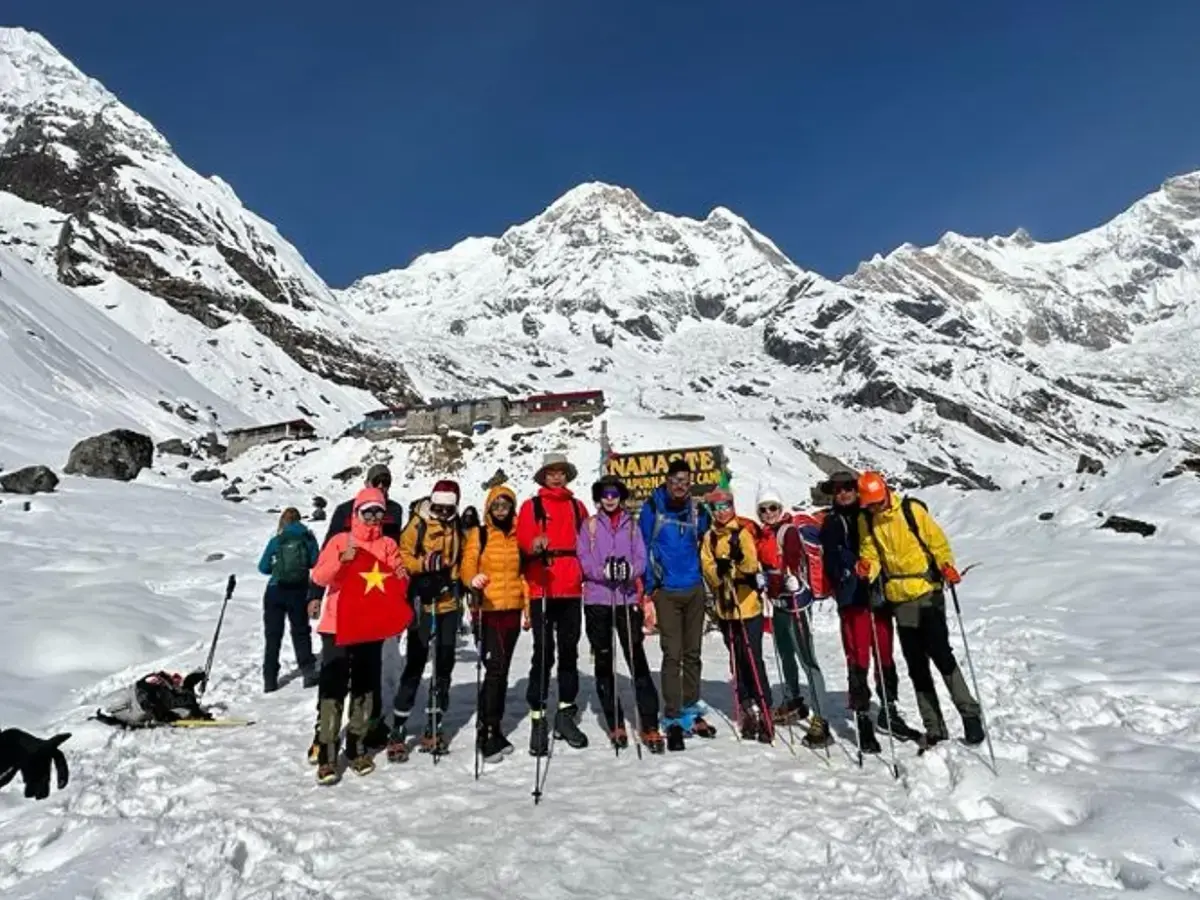
The expedition provides panoramic views of mountain ranges such as Annapurna and other mountain ranges in the surroundings, the Himalayan mountains. The Annapurna Base Camp is a rewarding experience that provides trekkers with a breathtaking 360-degree mountain amphitheater.
Diverse Landscapes
Trekking through the country in less than 10 days fascinates the trekker with a vast array of scenery: hills of green foliage, terraces, and extensive rhododendron forests, ascending the high Alps. This variety keeps each day of the trek different and aesthetically satisfying.
Rich Cultural Experience
The path takes over the old villages such as Chhomrong Village, providing an insight into the Gurung culture, lifestyle, and hospitality. By staying in teahouses, trekkers can also socialize with locals as well as practice the Himalayan traditions.
Moderate Difficulty Level
The Annapurna Base Camp is a 10-day trek that is said to be moderately difficult and can be approached by a large population of trekkers. Even the beginners are able to complete the journey successfully with proper preparation and pacing.
Relaxation Along the Way.
Trekking can also be done in the natural locations such as the Jhinu Danda Hot Springs that offer a refreshment after or during the trek. This brings comfort and pleasure to the whole experience.
Best for First-Time Trekkers.
This trek is an excellent option when the trekker is visiting the Himalayas for the first time because of the manageable time, good trails, and support services. It is a full trekking experience that does not need technical expertise.
Moderate and Satisfying Experience.
Altogether, a 10-day hiking trip to the base camp of Annapurna presents the ideal combination of aesthetics, cultural experience, and adventure. It is an effective and satisfying means of visiting one of the most scenic trekking spots in Nepal.
What is a day on the trail like?
An average day in the Annapurna Base Camp trek is well balanced in terms of walking, rest, and periods of appreciating the Himalayan beauty that surrounds the area. Every day, there is new scenery, new cultural experiences, and slow increases in elevation.
Morning Routine
The day normally begins early, 6:00-7:00 AM, in the teahouse with a warm breakfast. The mornings are the brightest time to see the mountains and have the best opportunity to enjoy the landscape around the Annapurna Sanctuary. Trekking commences after breakfast, and the trekkers pack their equipment and start walking at a time when the weather has remained cool and pleasant.
Trekking Hours
The trekking is done most of the day, with a 4-7 hour walk depending on the route and elevation. The trail consists of a combination of rock staircases, wood trails, hanging bridges, and slow climbs. Trekkers move at a slow speed, enjoying forest, river, and mountain peak sceneries as they progress.
Breaks and Lunch
There are short pauses, every 1-2 hours, to relax, drink water, and admire the environment. Lunch is generally taken in a teahouse on the trail, where trekkers have an opportunity to rest and resume the expedition. The stops are also very sociable.
Afternoon Arrival
Trekkers usually arrive at their destination in the mid-afternoon. This will give time to relax, venture out to the surroundings, or see the mountain peaks such as Annapurna. The higher the altitude, the more rest is needed to acclimatize well.
Evening Routine
Afternoons are also spent at the tea house, where trekkers can have a warm evening meal and socialize with others. It is a free moment to tell stories, play games, or just enjoy the serene mountain environment. Nights are sometimes cold, particularly near the Annapurna Base Camp, and warm clothes are necessary.
Rest and Preparation
Trekkers tend to retire to bed earlier so as to rest the following day. It is essential to get enough sleep to keep the energy levels up and get used to the altitude. Every day has a pattern, and this results in a routine of activity and rest in the trek.
All in all, the journey is as pleasant as the destination itself since a typical day on the Annapurna Base Camp trail is a combination of scenic trekking, global cultural engagement, and relaxation.
Is the Annapurna Base Camp Trek beginner-friendly?
The Annapurna Base Camp trek is usually rated as beginner-friendly, particularly when they have a basic level of fitness and can be well prepared. It is among the easiest Himalayan treks, and it can be an excellent introduction to trekking at high altitudes with no technical climbing skills needed.
Moderate Difficulty Level
The trek is described as moderate; that is, the trek does not need any prior experience in trekking, though it includes 57 hours of walking on rough and, in some cases, steep tracks. Beginners will be able to finish the hike at an easy pace and take a break.
Gradual Altitude Gain
The gradual climb up the Annapurna Sanctuary is one of the factors that make the trek beginner-friendly. This enables the trekkers to acclimatize to the rising altitude, eliminating the possibility of contracting altitude sickness when they are well acclimatized.
Strong Support System
The path is quite established, and there are numerous teahouses, guides, and porters. Novices can also employ a guide to guide them along and ensure that they are safe and the process is manageable.
Comfortable Facilities
Compared to the far-flung journeys, the ABC trek has frequent accommodation and food facilities on the pathway. It becomes less daunting to first-time trekkers who might not be conversant with camping or extreme conditions.
Challenges to be aware of
Although it is easy to approach, the trek still contains steep stone steps, lengthy walks, and high altitude (4,130 m) at Annapurna Base Camp. Physical exhaustion and weather variations may also be tough without prior preparation.