Island Peak Climbing with Everest Base Camp-17 Days, 2026

Duration
17 Days
Trip Grade
Moderate
Country
Nepal

Highlights

  • Enjoy a thrilling mountain flight from Kathmandu to Lukla Airport with stunning Himalayan views.
  • Trek through famous Sherpa settlements, including Namche Bazaar, Tengboche, and Dingboche.
  • Visit the sacred Tengboche Monastery and experience authentic Sherpa culture and hospitality.
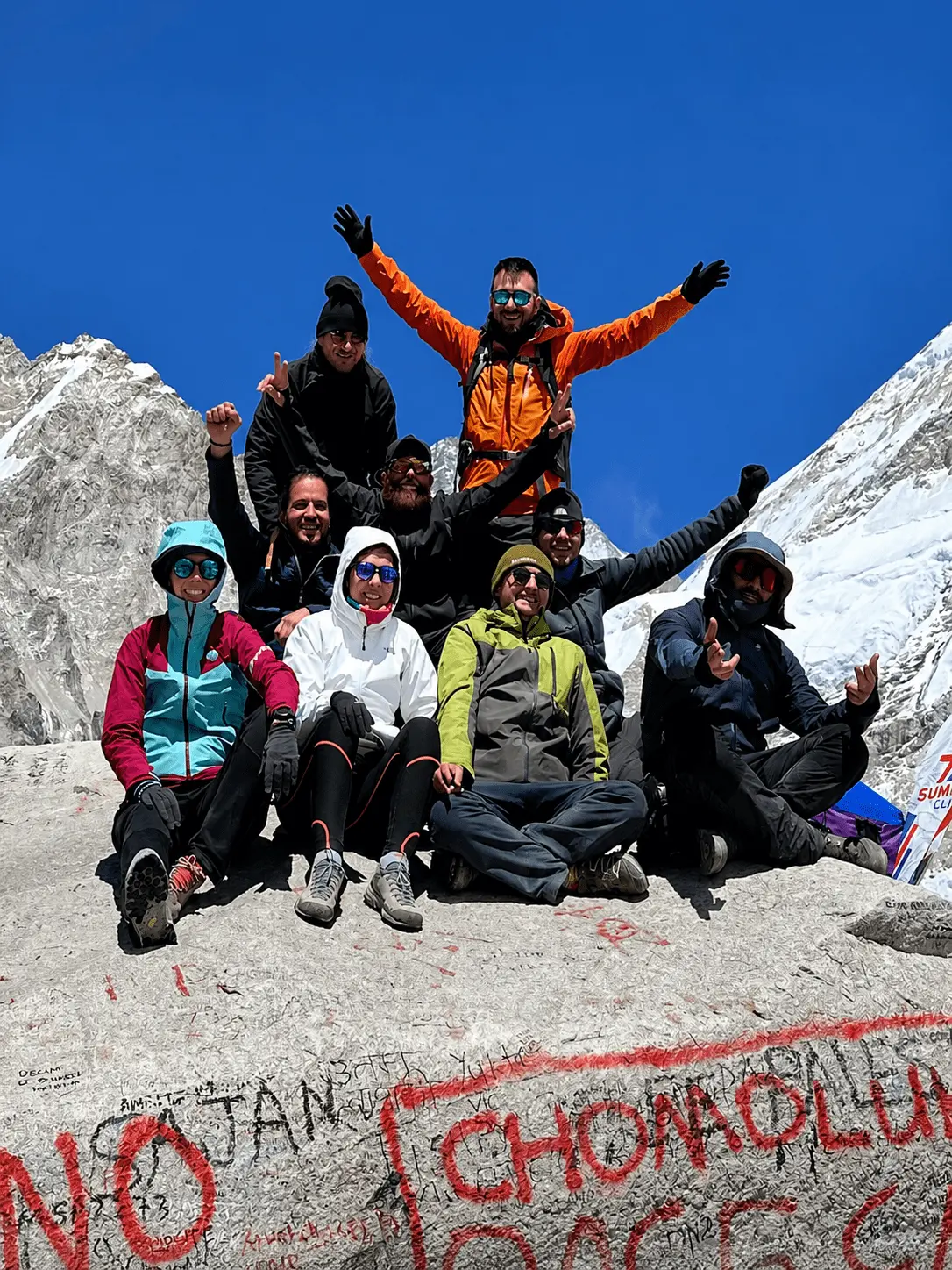
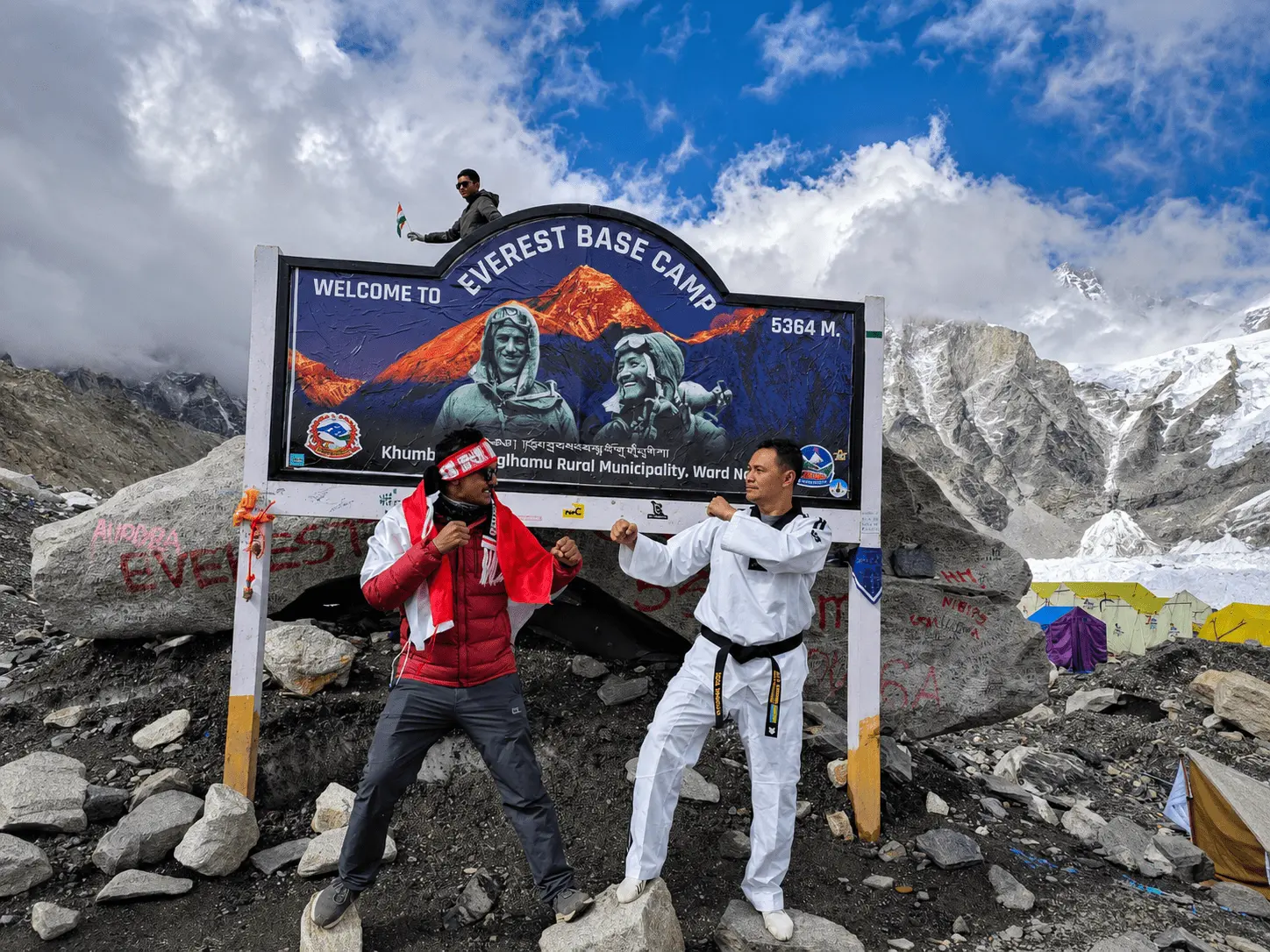
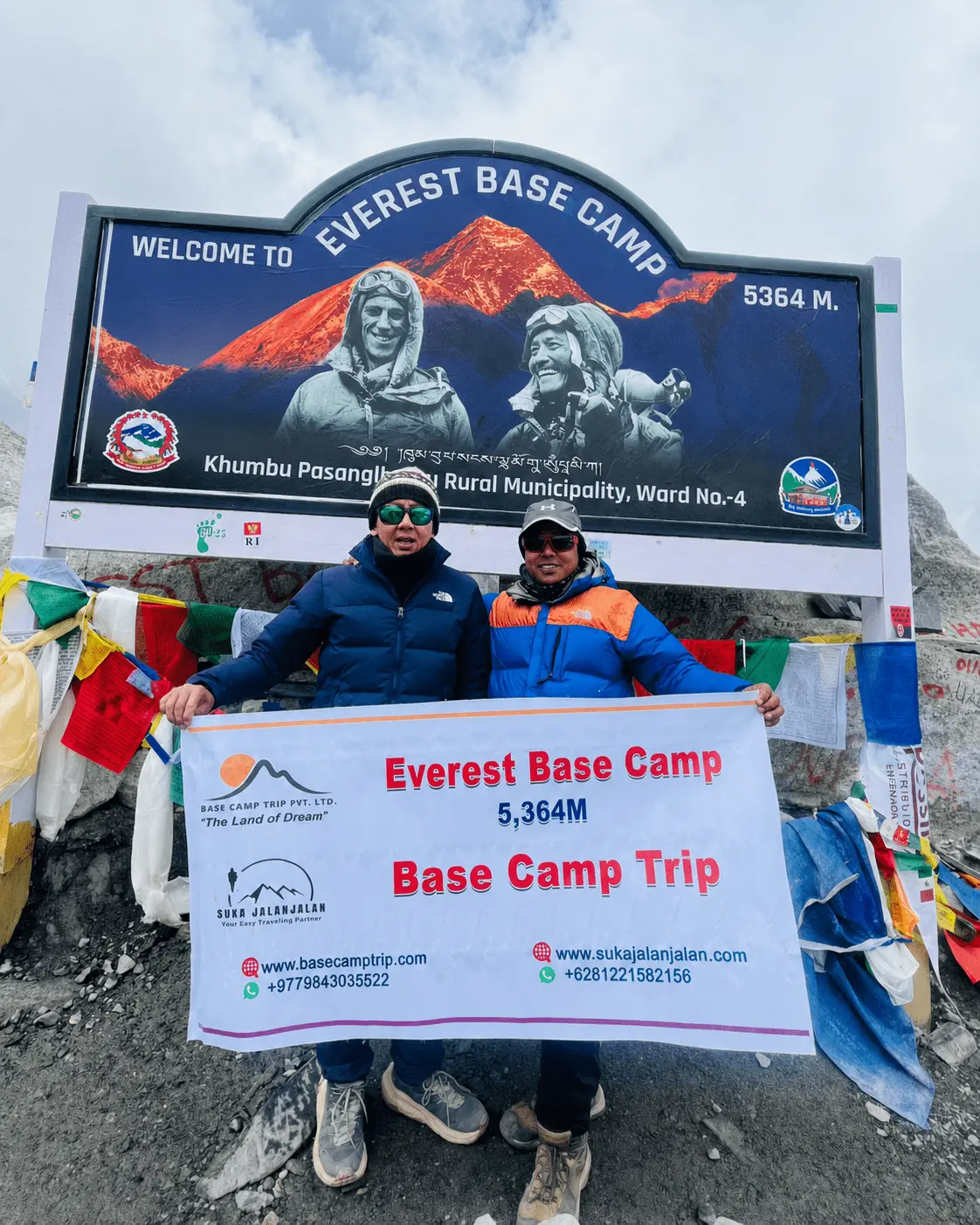
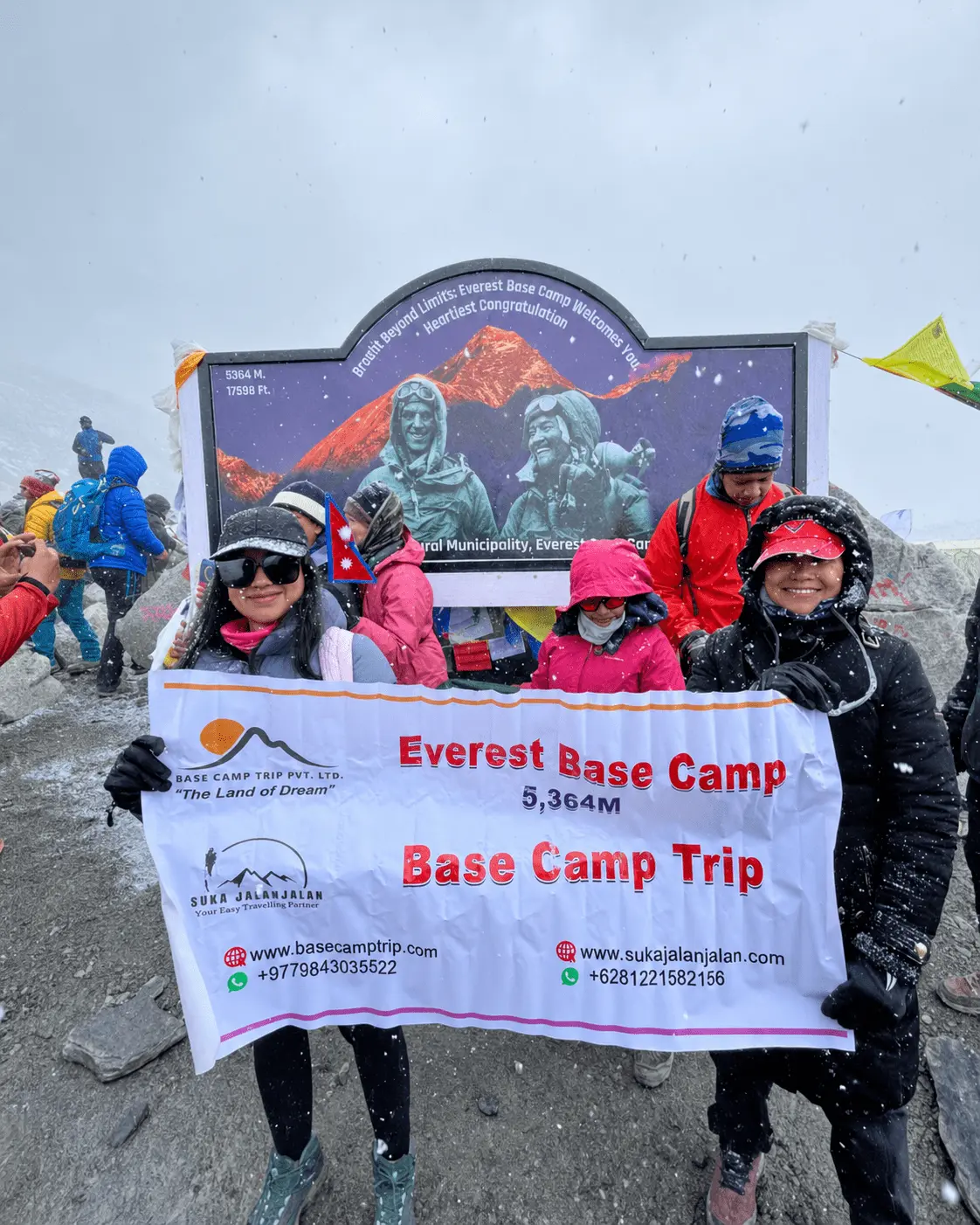
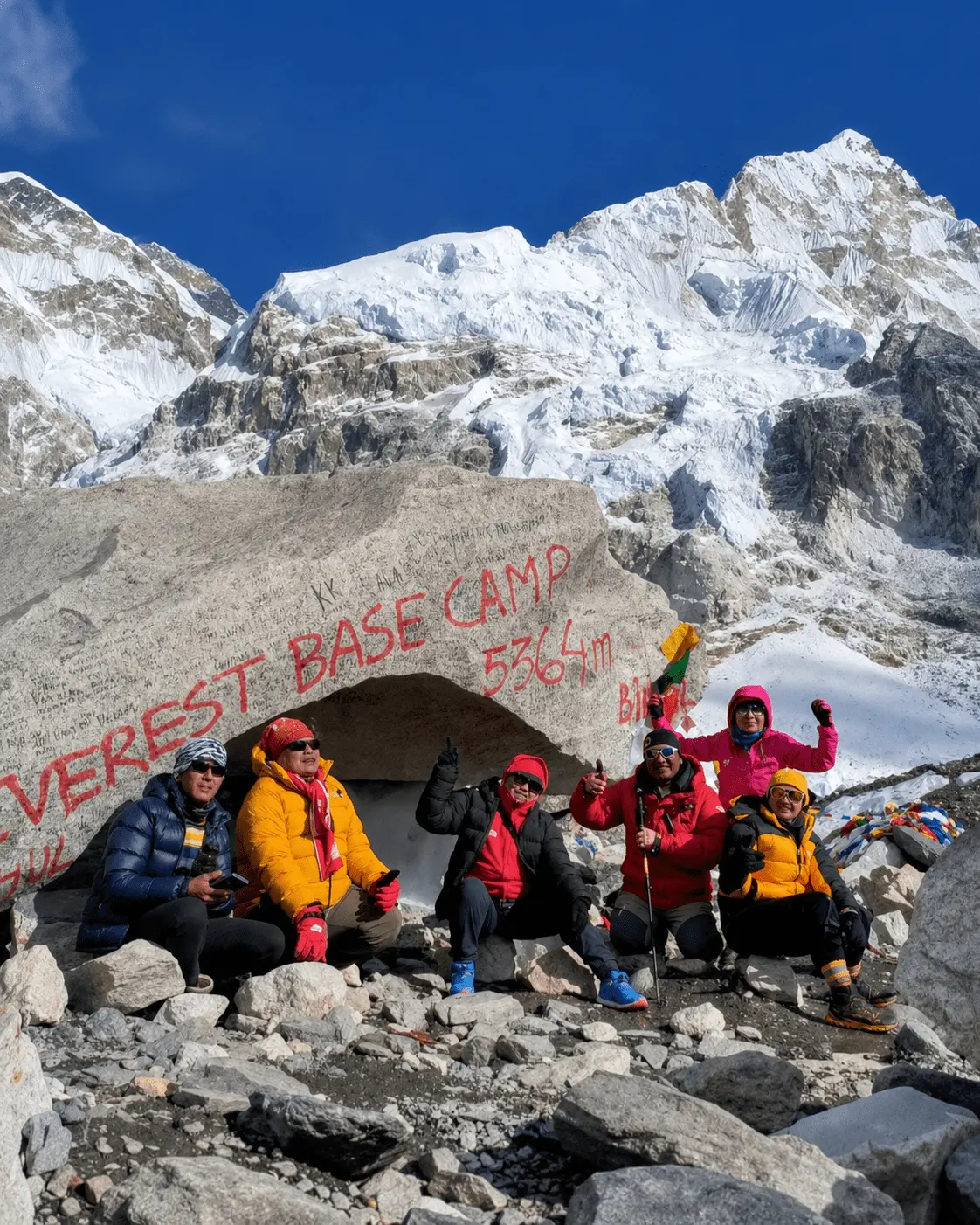
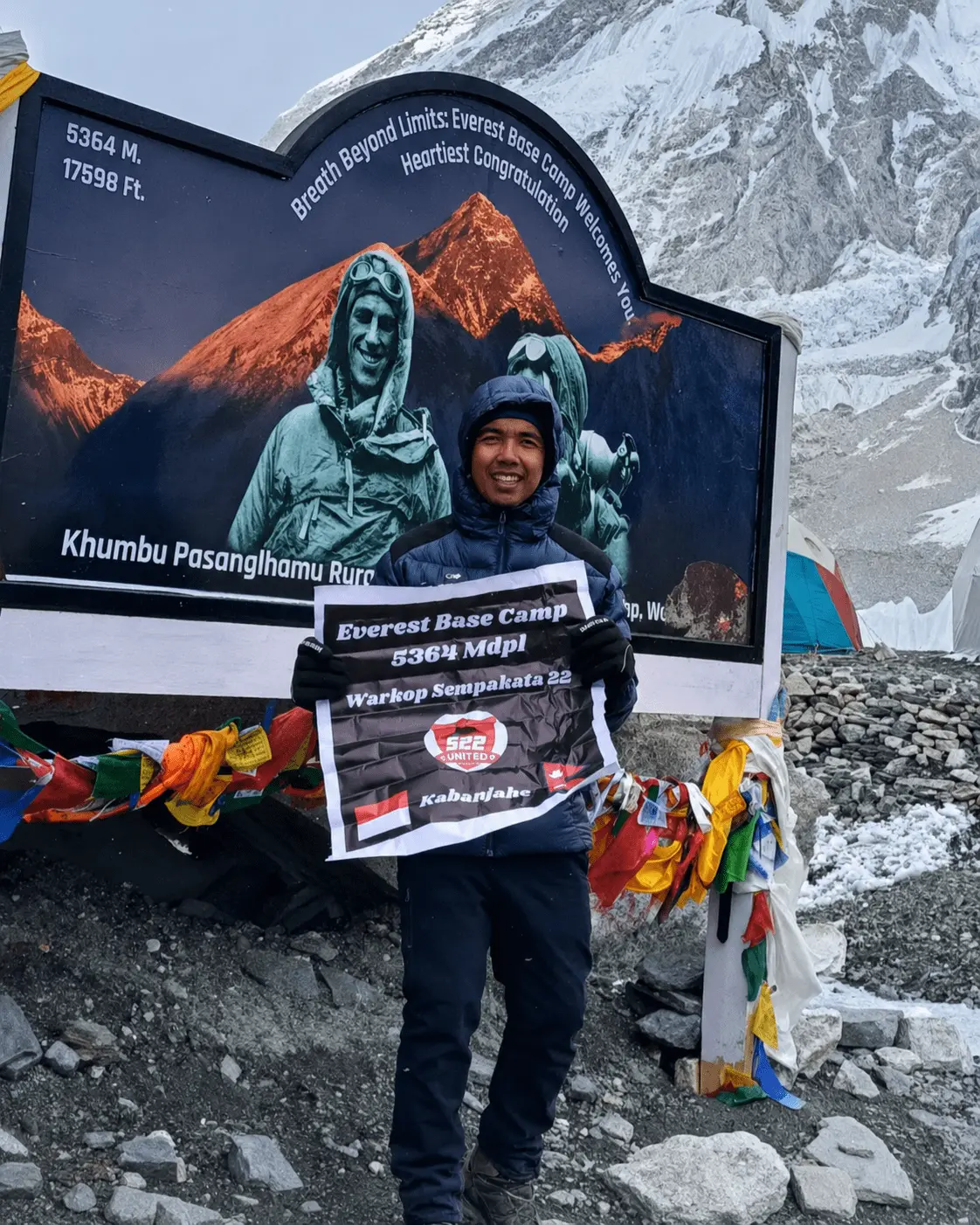
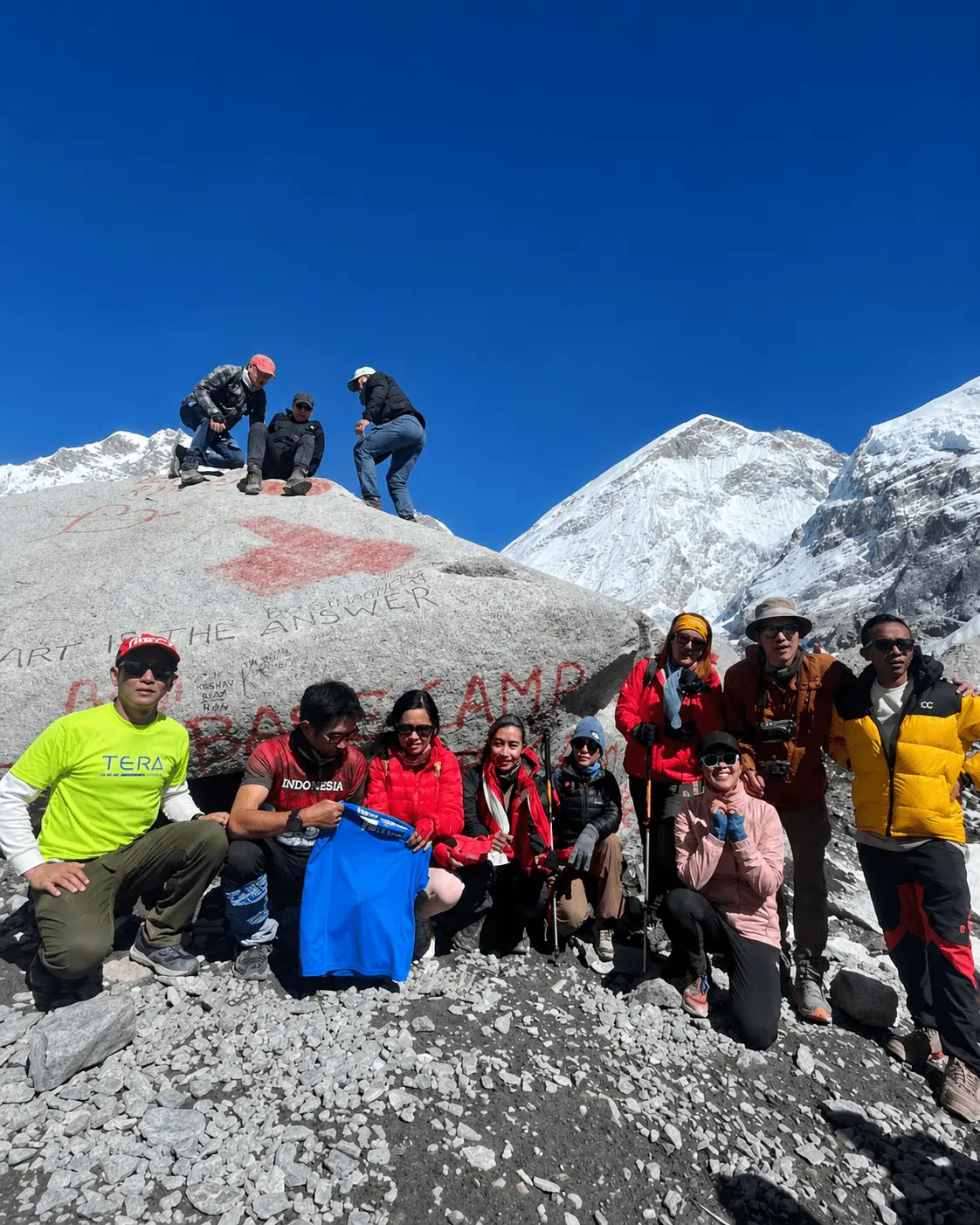
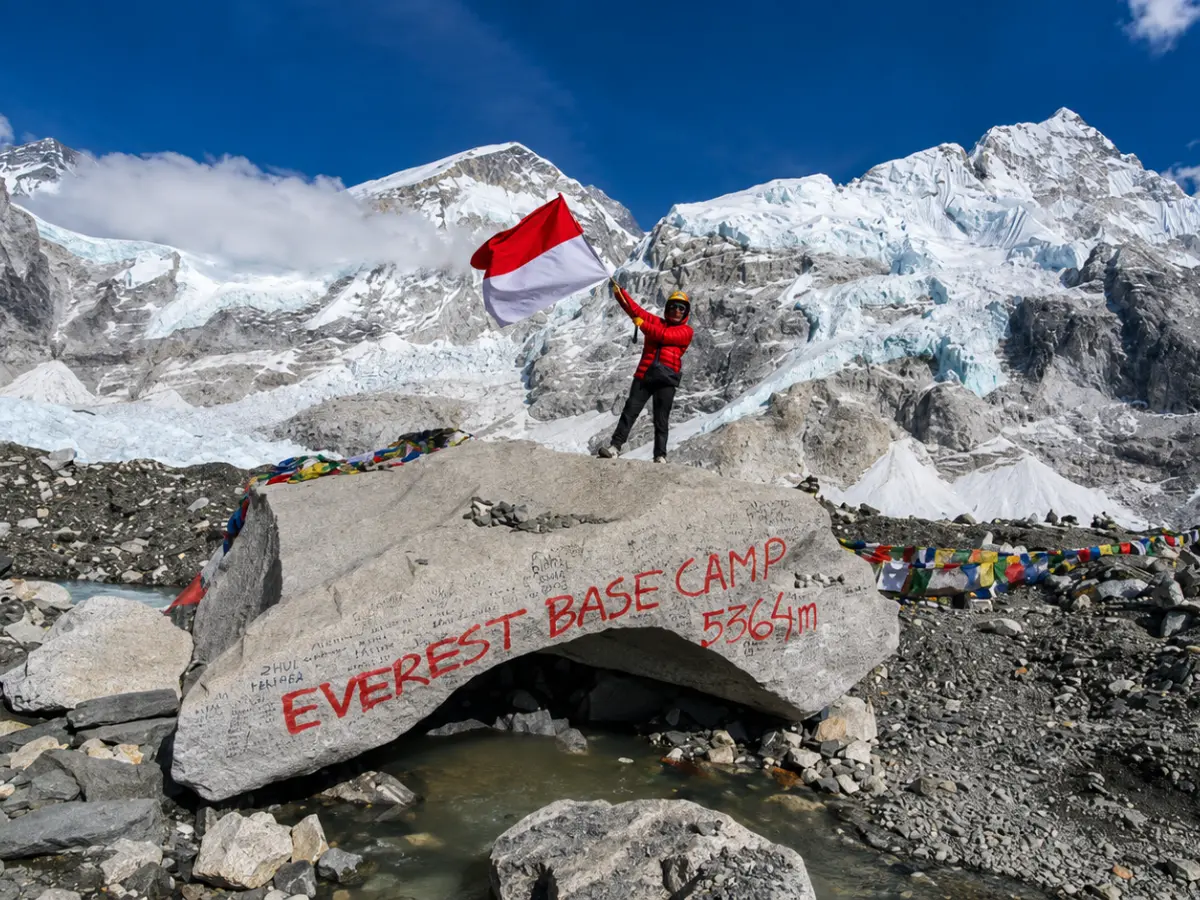
  • Explore the legendary Everest Base Camp and witness the atmosphere of Everest expeditions.
  • Hike to Kala Patthar for breathtaking sunrise views over Mount Everest and surrounding Himalayan peaks.
  • Enjoy spectacular views of Ama Dablam, Lhotse, Nuptse, and other snow-covered mountains.
  • Walk through beautiful forests, suspension bridges, glaciers, and alpine landscapes inside Sagarmatha National Park.
  • Receive basic climbing training and gear guidance before the summit attempt.
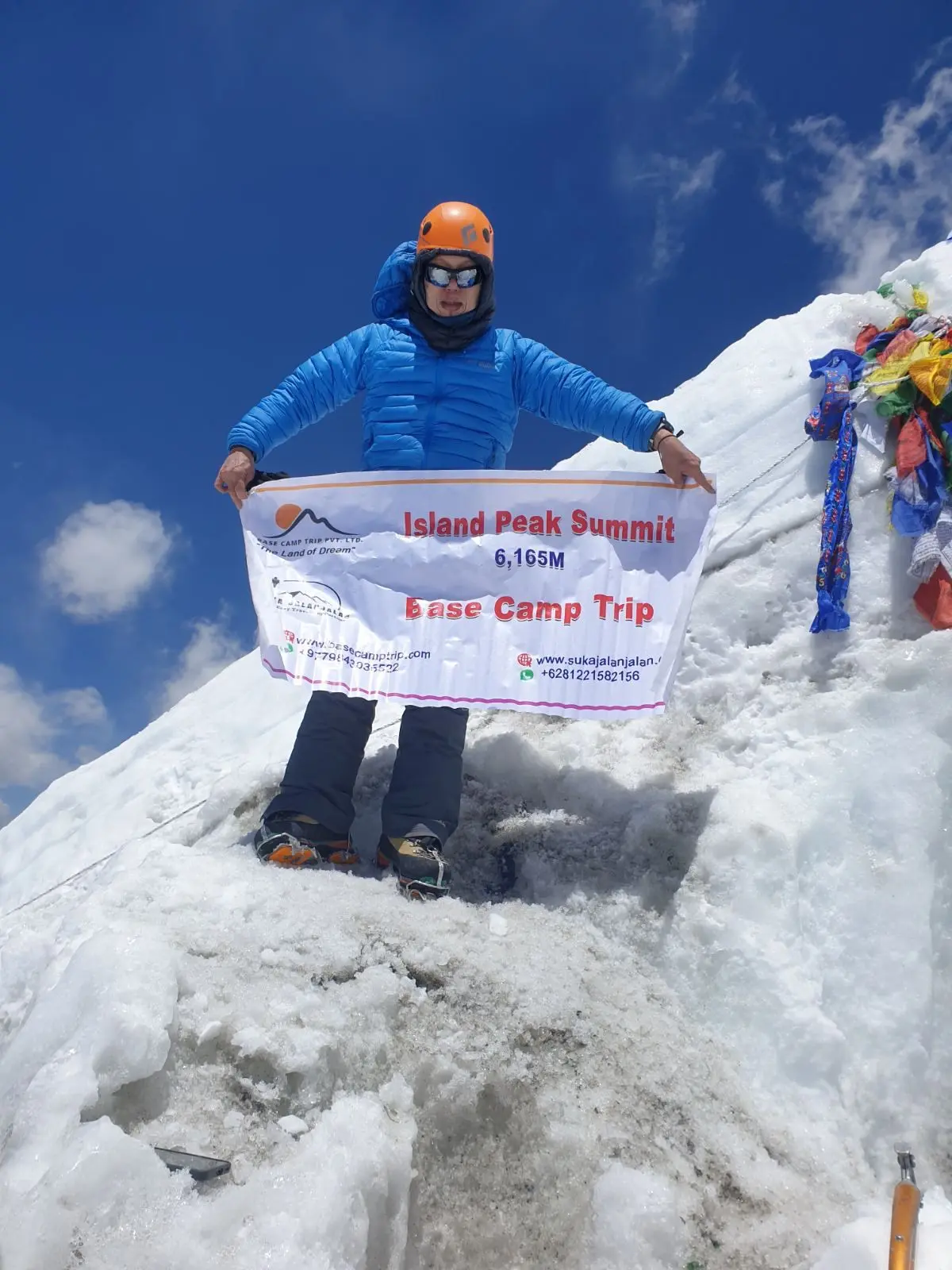
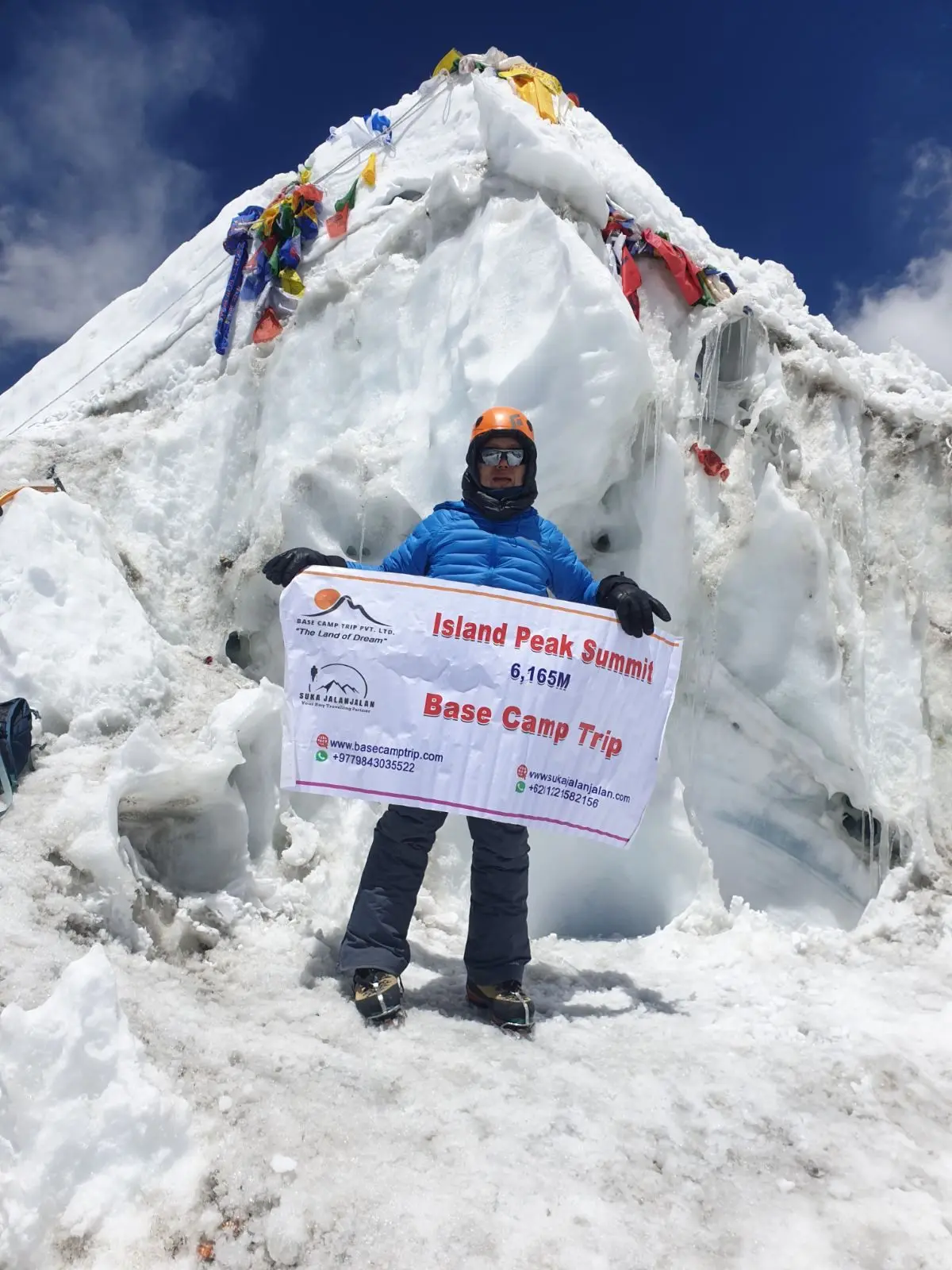
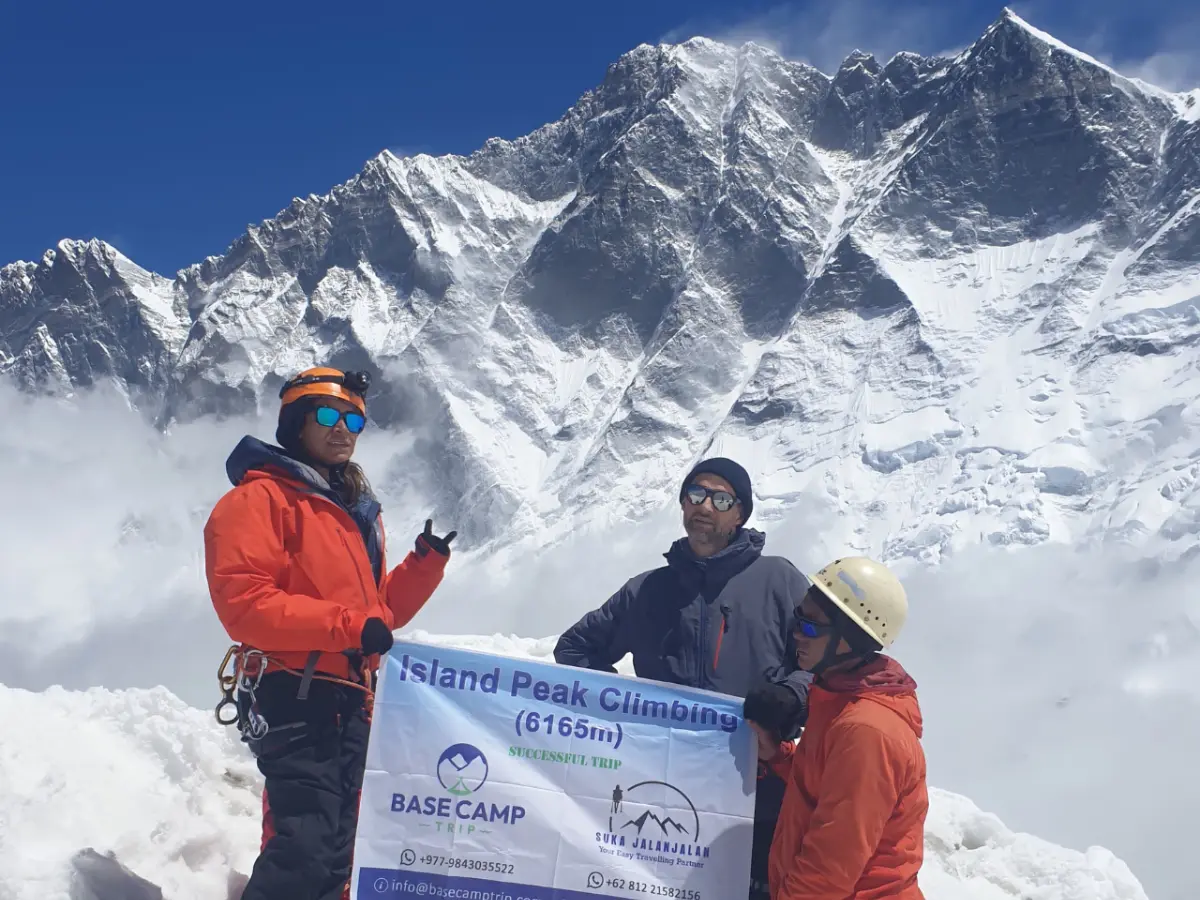
  • Climb Island Peak (6,189 meters), one of Nepal’s best trekking peaks for beginner climbers seeking mountaineering experience.
  • Experience a perfect mix of adventure, trekking, culture, and peak climbing in the Everest region.

Overview

Looking to have the ultimate adventure in the Himalayas in Nepal? One of the most thrilling Everest region trekking and climbing tours is the Island Peak Climbing with Everest Base Camp – 17 Days, 16 Nights tour package. This journey not only takes you to the legendary base camp of the majestic mountain Everest but also offers a challenging climb up to Island Peak (6,189 m) for adventure. The trip is spectacular in terms of the scenery of the Himalayas, the Sherpa culture, and the opportunities to experience things that you won't forget within the grasp of the world's highest mountains.

Why is Island Peak Climbing with Everest Base Camp one of the most popular adventure packages in Nepal? The route passes through the famous Sherpa villages of Namche Bazaar, Tengboche, and Dingboche and includes amazing views of Mount Everest, Ama Dablam, Lhotse, and many other mountains of the Himalayas. The trekkers can also see the iconic Everest Base Camp and trek to Kala Patthar, one of the best viewpoints in the Everest region.

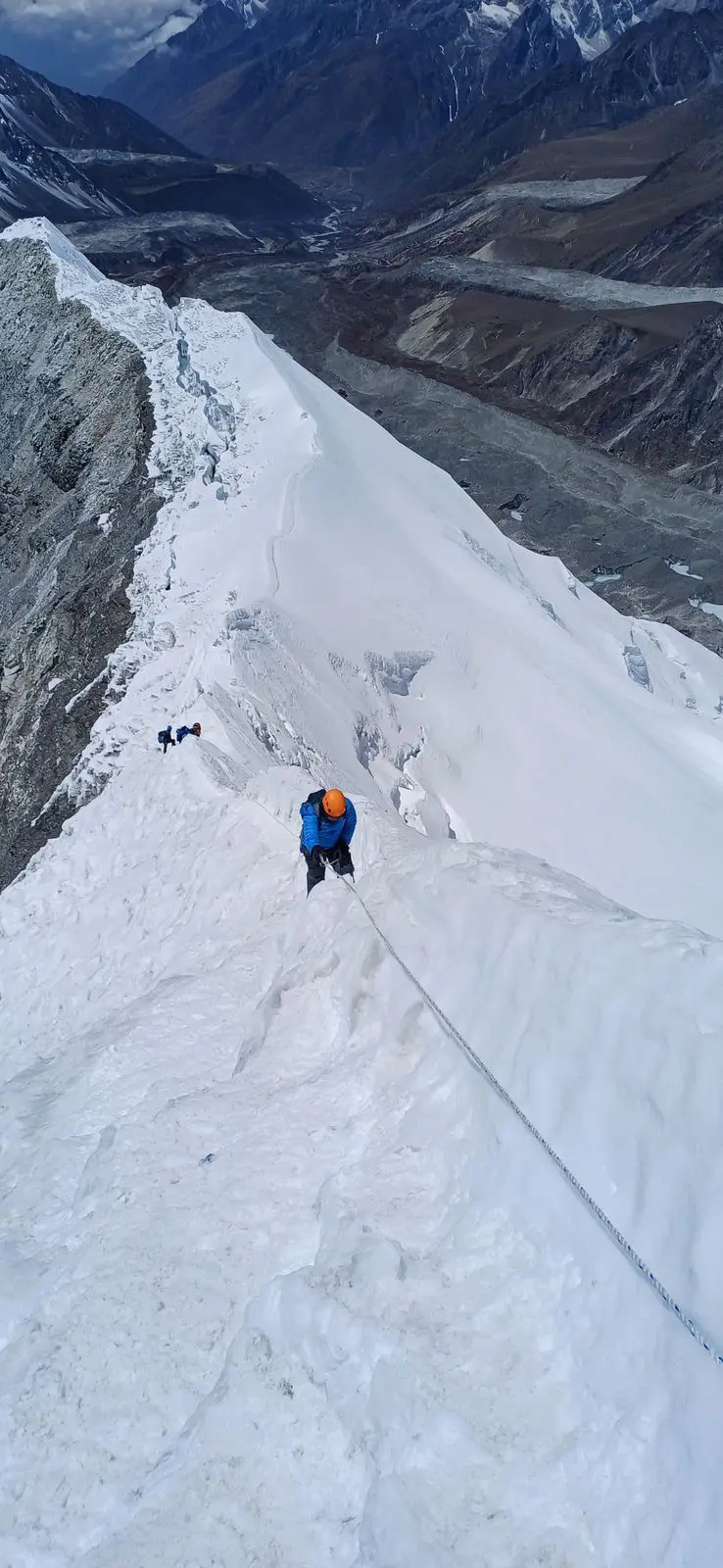
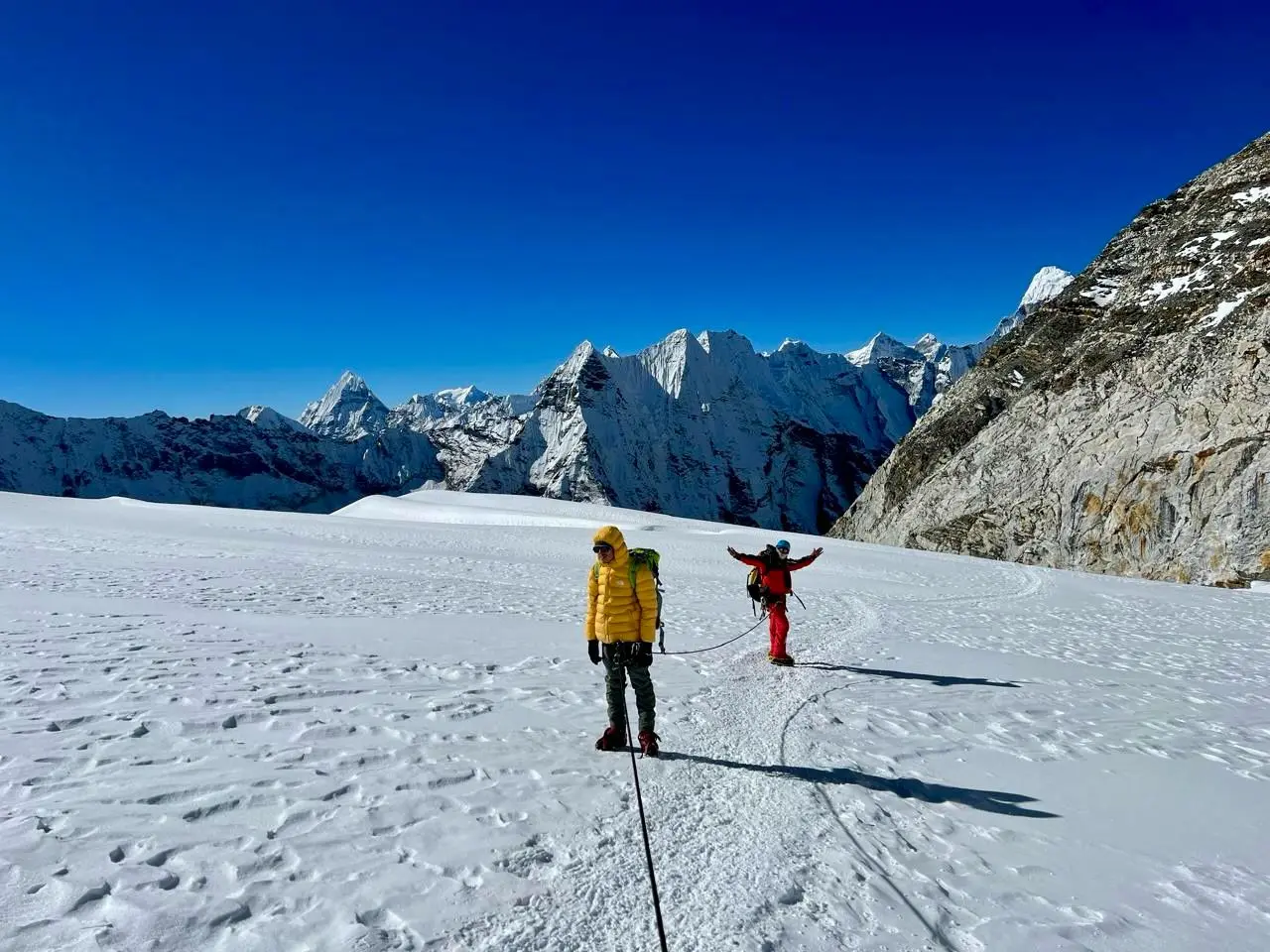
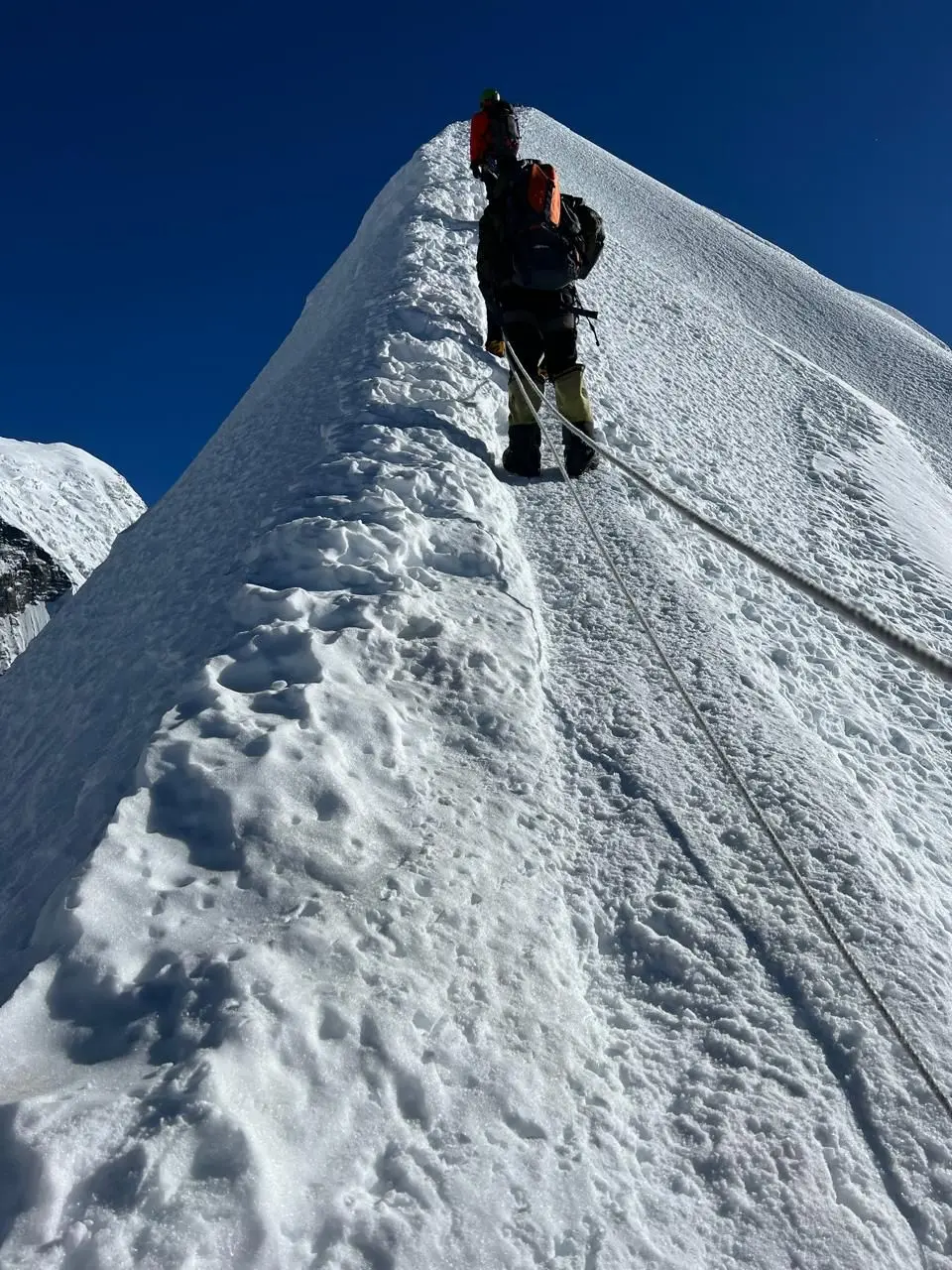
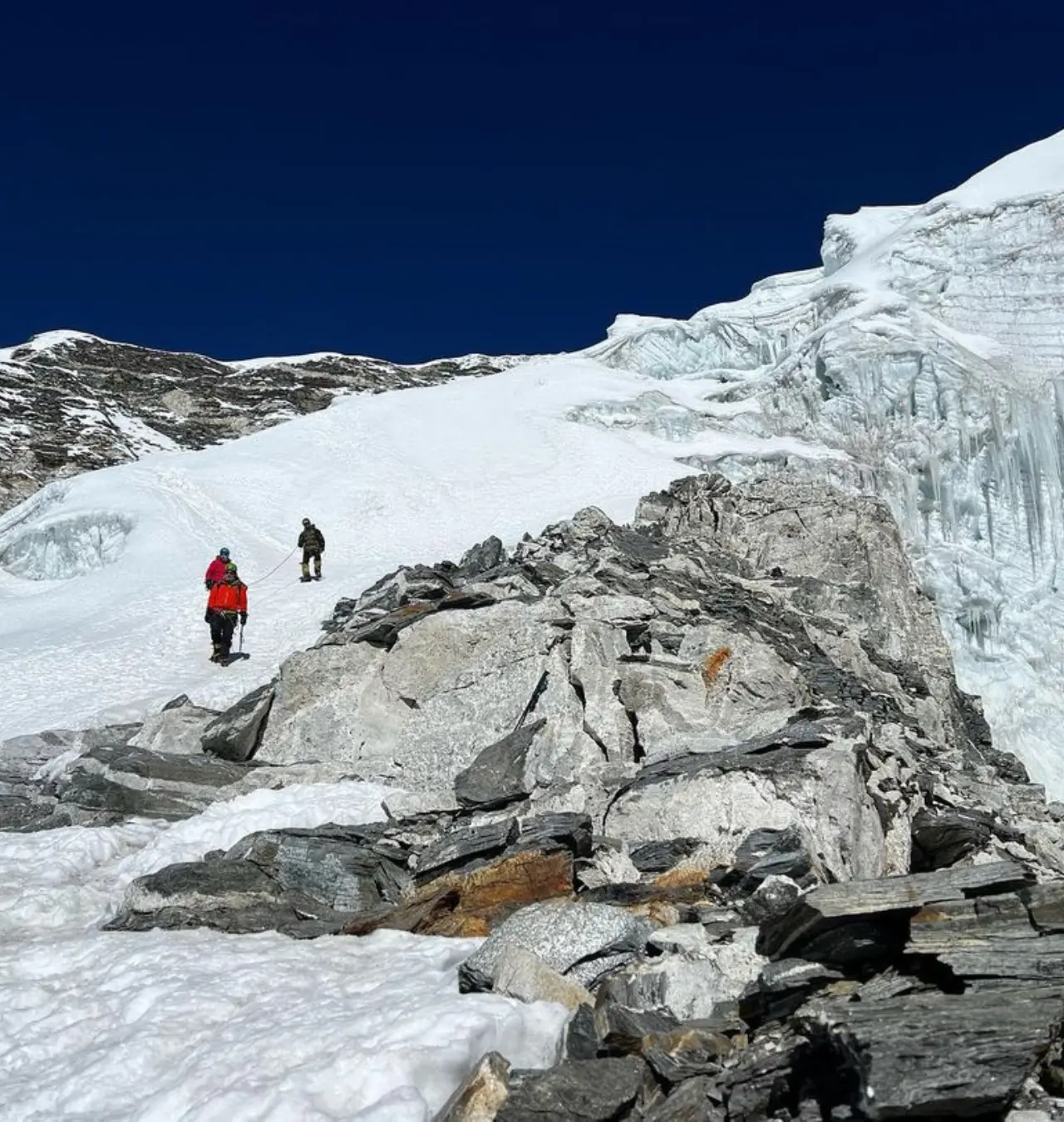
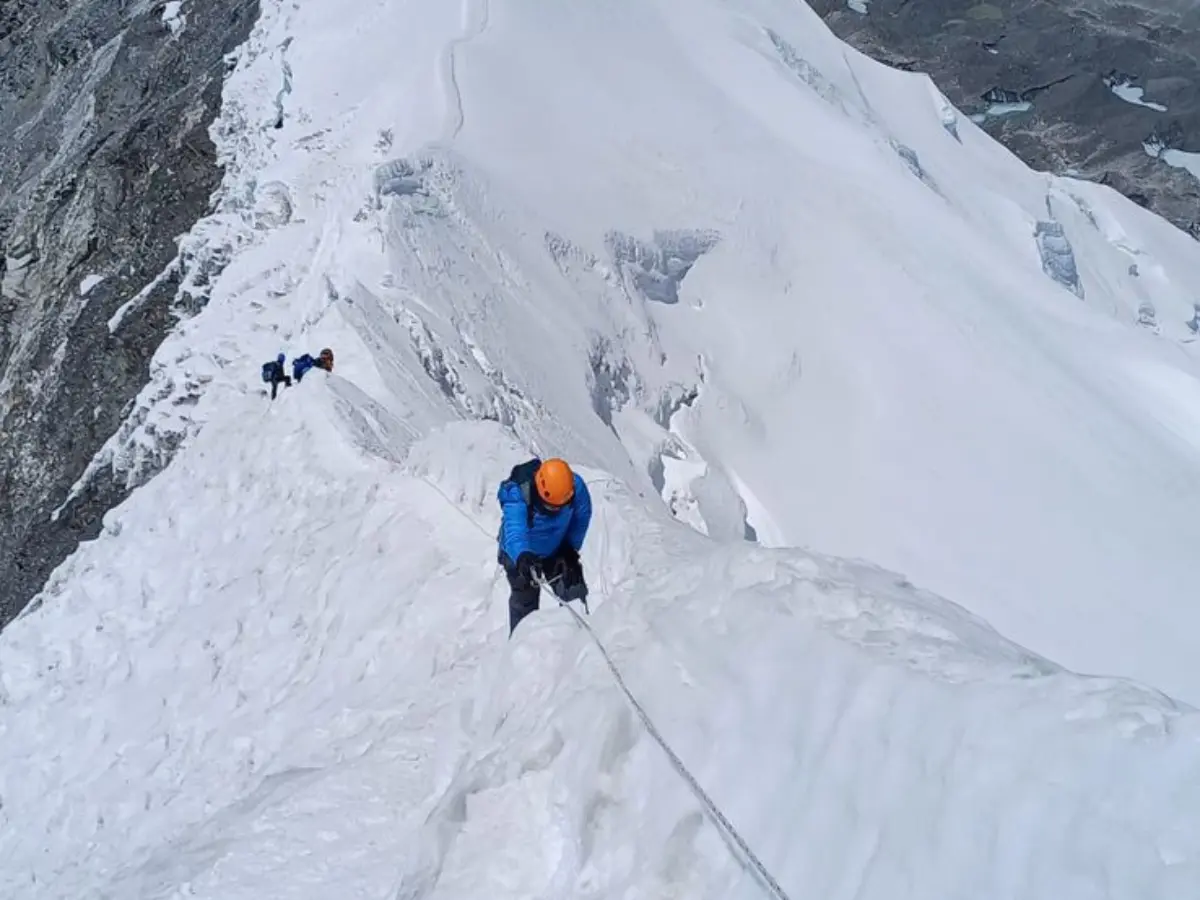
The Island Peak climbing section provides an excellent introduction to Himalayan mountaineering for beginner climbers and adventure seekers. With proper acclimatization and guidance from experienced climbing guides, trekkers receive basic mountaineering training before the summit attempt. The hike to the top involves glacier trekking, ropes, snowy ridges, and a wonderful panoramic vista from the top, and is one of the finest peak adventures in trekking in Nepal.

For a smooth and unforgettable Himalayan journey, travel with Suka Jalanjalan — your easy travel partner for Nepal, Tibet, and Himalayan adventures. From trekking and climbing expeditions to cultural and pilgrimage tours, Suka Jalanjalan helps travelers explore the Himalayas with comfort, safety, and experienced local support. 

Preparation for Island Peak Climbing with EBC Trek

Good preparation is the key to a successful Island Peak Climbing with the Everest Base Camp Trek. Since the trek is extremely high-altitude and beginner-level mountain climbing, physical ability to trek, endurance, and mental preparation are the key things that trekkers should check before coming to Nepal. Hiking, aerobic exercises, stair climbing, and strength training provide a good boost of stamina for extended trekking days in the Himalayas.

Mountain conditions are also prone to change, so trekkers must be equipped for those transitions as well. For comfort and safety during the expedition, warm layers, trekking boots, gloves, down jackets, sleeping bags, and climbing gear are important. Technical climbing gear, like ropes, harnesses, and crampons, is generally supplied by the climbing operator before the summit attempt.

The other important preparation step for Island Peak Climbing is acclimatization. The program typically has some days off at higher altitudes to allow the body to acclimate. To prevent altitude sickness on the Everest Base Camp trek and on the summit of Island Peak, it is important to stay hydrated, walk at a comfortable pace, eat properly, and follow the instructions of the guide.

Where Is Island Peak Located? 

Island Peak is situated in the eastern part of Nepal in the Everest region inside Sagarmatha National Park. This peak is located near Chhukung village, situated in the Khumbu region at an elevation of 6,189 m above sea level. It is enveloped by some of the highest peaks in the world, including Mount Everest, Lhotse, and Ama Dablam.

The accessibility, breathtaking Himalayan landscapes, and the ease of climbing make Island Peak one of the most popular trekking peaks in Nepal, especially for novice climbers. Access to this area is made by air from Kathmandu to Lukla Airport, followed by a trek through the trail of Everest Base Camp before reaching the base camp of Island Peak.
Island Peak Climbing with Everest Base Camp-17 Days, 2026 Itinerary

Day 1

Arrival in Kathmandu

Upon your arrival at Tribhuvan International Airport in Kathmandu, you will be warmly welcomed and transferred to your hotel. After check-in, you can rest and recover from your journey. If you feel refreshed, you may take a short walk around the vibrant streets of Thamel and experience the lively atmosphere of the capital city.

Max Altitude: 1400
Meals: Null
Accommodation: Hotel
Day 2

Fly to Lukla & Trek to Phakding

An early morning scenic flight takes you to Lukla, one of the most thrilling airports in the world. After landing, your trek begins through beautiful trails, small villages, and suspension bridges over the Dudh Koshi River. By afternoon, you will reach Phakding, where you will stay overnight in a peaceful riverside lodge.

Max Altitude: 2610
Meals: Breakfast, lunch & dinner
Duration: 3-4
Accommodation: Lodge
Day 3

Trek to Namche Bazaar

Today’s journey takes you deeper into the Everest region, crossing several suspension bridges and entering Sagarmatha National Park. The final climb to Namche Bazaar is steep but rewarding. Upon arrival, you will settle in the bustling mountain town surrounded by breathtaking Himalayan views.

Max Altitude: 3440
Meals: Breakfast, lunch & dinner
Duration: 6–7 hours
Accommodation: Lodge
Day 4

Acclimatization Day in Namche Bazaar

This is a rest day for acclimatization. You can hike up to the Everest View Hotel or explore nearby villages like Khumjung. The day helps your body adjust to a higher altitude while offering stunning views of Everest and the surrounding peaks.

Max Altitude: 3440
Meals: Breakfast, lunch & dinner
Accommodation: Lodge
Day 5

Trek to Tengboche

The trail descends through forests and crosses rivers before a steady climb toward Tengboche. You will visit the famous Tengboche Monastery, surrounded by panoramic views of Everest, Ama Dablam, and other peaks. Overnight stay in this peaceful mountain village.

Max Altitude: 3860
Meals: Breakfast, lunch & dinner
Duration: 5-6 hours
Accommodation: Lodge
Day 6

Trek to Dingboche

You continue your journey through alpine forests and open valleys, gradually entering a more rugged landscape. The beautiful views of Ama Dablam accompany you as you reach Dingboche, a quiet village surrounded by stone-walled fields.

Max Altitude: 4410
Meals: Breakfast, lunch & dinner
Duration: 5–6 hours
Accommodation: Lodge
Day 7

Acclimatization Day in Dingboche (Nangkartshang Peak)

To help your body adjust to a higher altitude, you spend the day in Dingboche. A challenging hike to Nangkartshang Peak offers incredible panoramic views of Makalu, Lhotse, Cho Oyu, and the surrounding mountains. Alternatively, you may explore nearby areas or attend an altitude awareness talk before returning to Dingboche for the night.

Max Altitude: 5100
Meals: Breakfast, lunch & dinner
Duration: 5 hours
Accommodation: Lodge
Day 8

Trek to Lobuche

The trail gradually climbs through alpine terrain and glacial valleys. You will pass memorials dedicated to climbers before reaching Lobuche, a small settlement nestled beneath towering peaks and icy landscapes.

Max Altitude: 4940
Meals: Breakfast, lunch & dinner
Duration: 5-6 hours
Accommodation: Lodge
Day 9

Trek to Everest Base Camp & Return to Gorak Shep

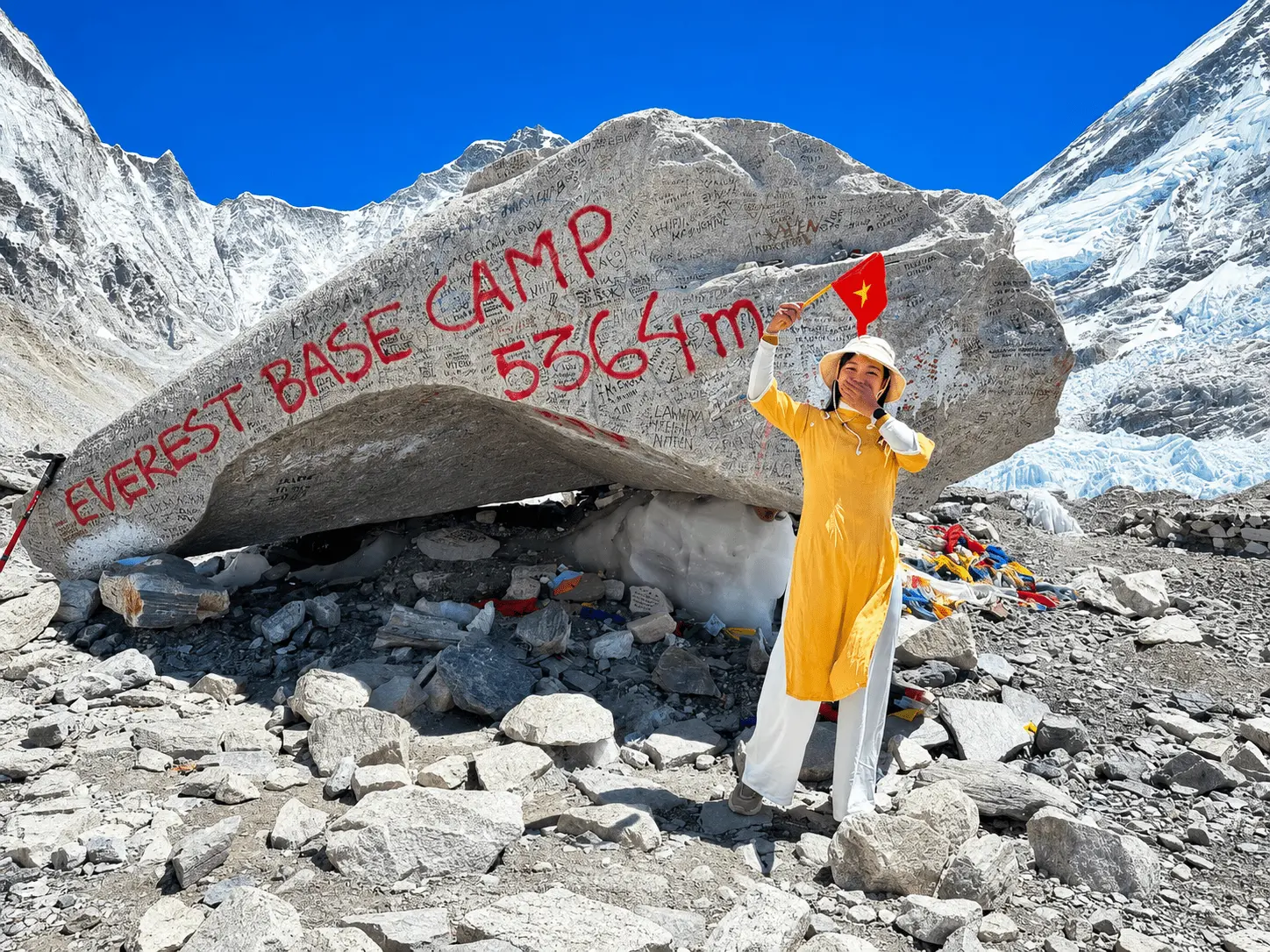
Today is one of the most exciting days of the trek as you reach Everest Base Camp. After walking along the glacier-filled path, you finally arrive at the iconic base camp of the world’s highest peak. After spending time there, you return to Gorak Shep for the night.

Max Altitude: 5364
Meals: Breakfast, lunch & dinner
Duration: 7-8 hours
Accommodation: Lodge
Day 10

Hike Kala Patthar & Trek to Dingboche

An early morning hike to Kala Patthar rewards you with the best panoramic view of Mount Everest. After enjoying sunrise over the Himalayas, you descend back to Gorak Shep and continue trekking down to Dingboche for rest.

Max Altitude: 5545
Meals: Breakfast, lunch & dinner
Duration: 7-8 hours
Accommodation: Lodge
Day 11

Trek to Chhukung

A short and scenic trek leads you to Chhukung, a quiet village surrounded by dramatic mountain scenery. The day is relatively easy, allowing time to relax and prepare for the Island Peak climb.

Max Altitude: 4730
Meals: Breakfast, lunch & dinner
Duration: 3-4 hours
Accommodation: Lodge
Day 12

Trek to Island Peak Base Camp

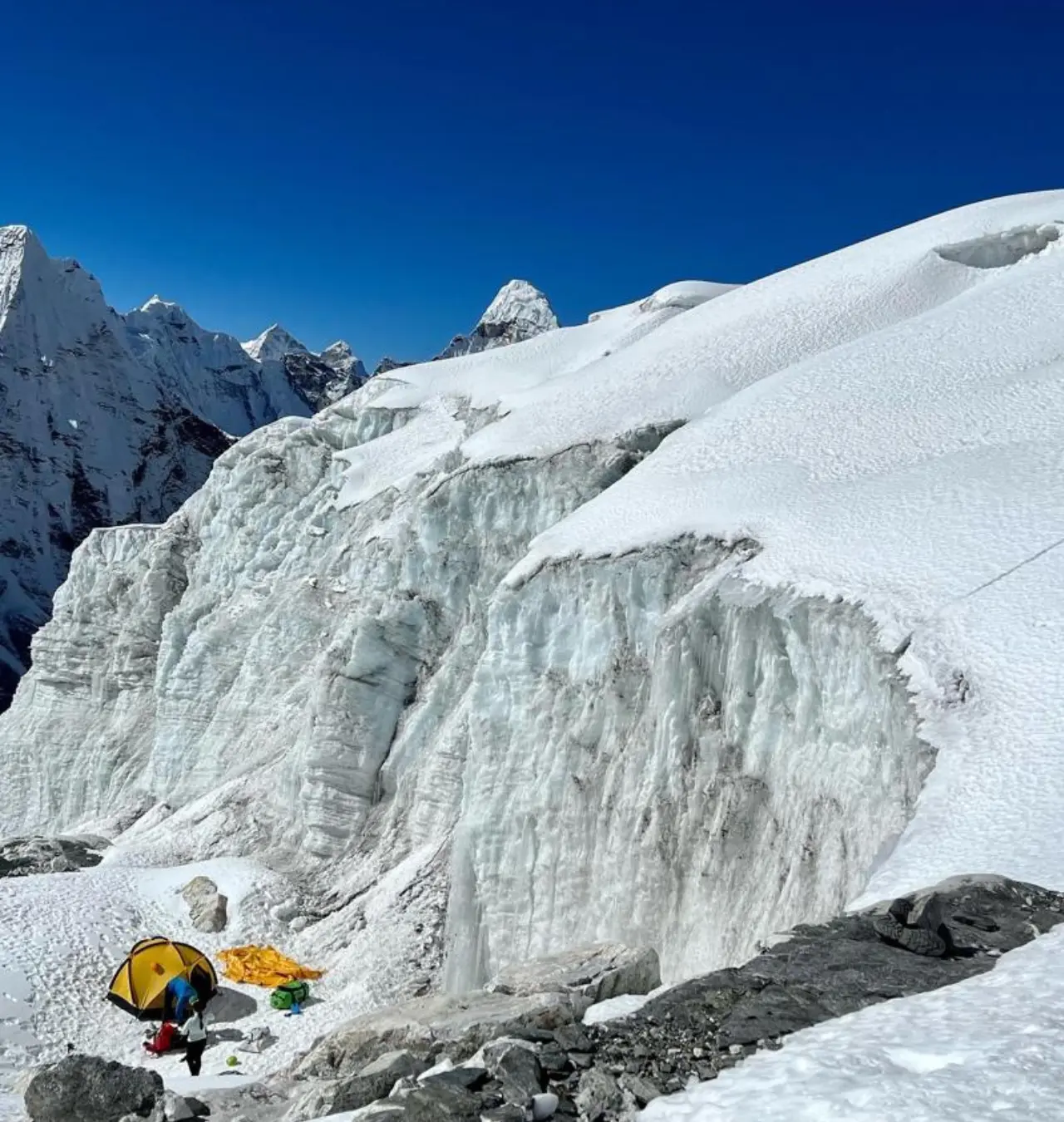
You leave Chhukung and head toward Island Peak Base Camp. The trail becomes more rugged and adventurous as you approach the glacier zone. Upon arrival, you will set up camp and receive climbing preparation instructions.

Max Altitude: 5200
Meals: Breakfast, lunch & dinner
Duration: 4-5 hours
Accommodation: Lodge
Day 13

Summit Island Peak & Return to Chhukung

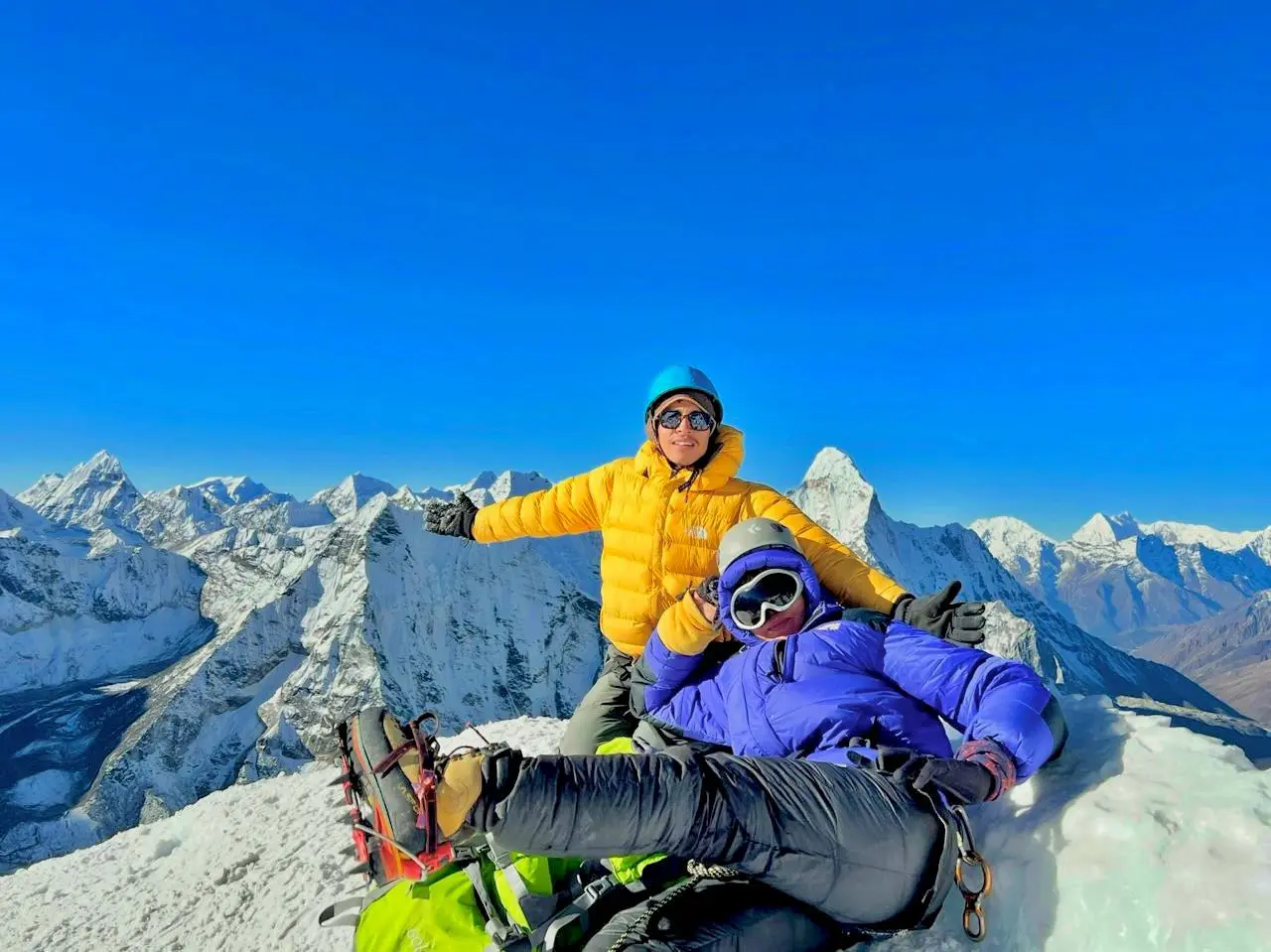
An early start takes you toward the summit of Island Peak. The climb is challenging but highly rewarding, offering breathtaking views of the surrounding Himalayan giants. After reaching the top, you descend carefully back to Chhukung for rest.

Max Altitude: 6189
Meals: Breakfast, lunch & dinner
Duration: 10-12 hours
Accommodation: Lodge
Day 14

Trek to Tengboche

After the summit success, you begin descending through familiar trails back toward Tengboche. The journey is long but comfortable, passing through beautiful landscapes and forests before reaching the monastery village.

Max Altitude: 3860
Meals: Breakfast, lunch & dinner
Duration: 6-7 hours
Accommodation: Lodge
Day 15

Trek to Namche Bazaar

You continue descending toward Namche Bazaar, enjoying easier trails and returning to the lively mountain town. The evening is perfect for relaxing, exploring, or celebrating the successful climb.

Max Altitude: 3440
Meals: Breakfast, lunch & dinner
Duration: 5-6 hours
Accommodation: Lodge
Day 16

Trek to Lukla

Your final trekking day takes you back to Lukla. You cross suspension bridges and pass through familiar villages, reflecting on the incredible journey through the Everest region.

Max Altitude: 2610
Meals: Breakfast, lunch & dinner
Duration: 6-7 hours
Accommodation: Lodge
Day 17

Fly to Kathmandu & Final Departure

An early morning flight brings you back to Kathmandu. After landing, you are transferred to your hotel or international airport for your final departure, marking the end of your unforgettable Himalayan adventure.

Meals: Breakfast
Still Confuse?
No worries — we’re here to help. Whether you have questions or just need a bit more clarity, feel free to reach out. Our team is ready to guide you every step of the way.

Cost Details

Includes

  • Private four-wheeler transport for airport pickups and drop-offs.  
  • A three-star hotel stay in Kathmandu with breakfast included.  
  • Two flights to and from Lukla.  
  • Accommodation in basic lodges on a twin-sharing basis during the trek.  
  • Daily breakfast, lunch, dinner, seasonal fruits, and a cup of tea or coffee while trekking.  
  • Permits for Sagarmatha National Park and the Khumbu Pasang Lhamu Municipality entry.  
  • A complimentary duffel bag, trekking pole, map, first-aid kit, pulse oximeter, and satellite phone are provided by Suka Jalanjalan.  
  • A licensed Nepali guide, along with a porter (one porter for every two trekkers).  
  • Coverage for accommodation, meals, allowance, and high-altitude insurance for both the guide and the porter.  
  • Certificate of achievement for completing the trip.  
  • All applicable government taxes and service fees are included.

Excludes

  • International flights to and from Kathmandu.  
  • Travel insurance (should include coverage for helicopter evacuation and medical expenses).  
  • Lunch and dinner in Kathmandu.  
  • Trekking attire and equipment.  
  • Purchases and keepsakes.  
  • Gratuities for the driver, guide, and porter.  
  • Beverage costs, including bar tabs and water bottles.  
  • Visa fee for traveling to Nepal.  
  • Any costs not mentioned in the section detailing our expenses.

Essential Information

Best Season or Time for Island Peak Climbing with EBC Trek

Island Peak climbing with the Everest Base Camp trek can be completed during different seasons of the year, but weather conditions and mountain visibility play an important role in the overall climbing experience. The best season for trekking in the Everest region of Nepal is determined by the seasons, as they can offer safer trails, better summit conditions, and stunning scenery along the route.

Fall Season (September to November)

One of the best months to visit the Island Peak Climbing with the Everest Base Camp Trek is in the spring. This period of the year is also fairly calm with moderate temperatures and clear skies. For trekkers, there are colorful rhododendron forests, comfortable trekking conditions, and mesmerizing views of the Himalayan peaks like Mount Everest, Lhotse, Ama Dablam, etc.

Winter Season (December-January-February)

Another peak season in Nepal for Island Peak is autumn. Once the monsoon season ends, the mountain views are very clear, and the trails are dry and beautiful. The autumn season is one of the best times to visit the Everest region due to the stable weather and wonderful visibility.

Winter and Monsoon Season

It can be climbed in the winter, but temperatures become very cold at higher elevations, and snow conditions may pose further challenges in the summit climb. The summer monsoon (June to August) typically results in rain, cloudy weather, muddy paths, and a lack of mountain visibility, making trekking and climbing more difficult.

Difficulty Level of Island Peak Climbing with EBC Trek

Island Peak Climbing with Everest Base Camp Trek is a moderately difficult Himalayan adventure that combines high-altitude trekking with beginner-level mountaineering. It is a physically demanding trek with a great amount of endurance and acclimatization required, as trekkers spend several days above 4000m before they attempt the summit of Island Peak.

Trekking Difficulty

The physical challenge of the Everest Base Camp trek involves many factors, including the long duration of walking, the steep inclines, the rocky terrain, and the high altitudes. Namche Bazaar and Dingboche are two of the most popular Sherpa villages to visit as trekkers ascend to the higher elevations of the Himalayas. Correct acclimatization is crucial during the trip.

Climbing Difficulty

The climbing section of Island Peak is considered moderately challenging and suitable for beginner climbers with good physical fitness. The summit ascent involves glacier walking, snow slopes, fixed ropes, and the use of mountaineering equipment such as crampons, harnesses, and ice axes.

Altitude and Physical Fitness 

Altitude is one of the biggest challenges during the Island Peak Climbing with the Everest Base Camp Trek. The route goes above 6000 meters, where the oxygen level is considerably reduced. The key to the successful climb of this mountain is good physical fitness, endurance training, mental preparation, and gradual acclimatization.

Is Previous Climbing Experience Necessary? 

While some climbing experience is useful, it's not always necessary for Island Peak climbing. With proper planning, basic climbing training, and experienced Sherpa climbing guides in the Everest region of Nepal, many first-time climbers are able to complete the expedition successfully.

FAQs

What is Island Peak Climbing with Everest Base Camp Trek?

Island Peak Climbing with Everest Base Camp is one of Nepal’s most popular Himalayan adventure packages, combining the famous Everest Base Camp trek with the exciting summit climb of Island Peak (6,189 meters). The journey offers trekking and mountaineering experiences, Sherpa culture, breathtaking Himalayan scenery, and unforgettable views of Mount Everest and surrounding peaks.

Where is Island Peak located?

Island Peak is located in the Everest region of Nepal, inside the beautiful Sagarmatha National Park. The peak lies near Chhukung village and offers spectacular views of Mount Everest, Lhotse, Ama Dablam, and the surrounding Himalayan mountains. It is considered one of Nepal’s best beginner-friendly trekking peaks for climbers.

How difficult is Island Peak climbing?

Island Peak Climbing is considered moderately difficult and suitable for trekkers with good physical fitness. Climbers need endurance for high-altitude trekking and basic climbing activities such as using ropes, crampons, and ice axes. Previous trekking experience is helpful, but professional climbing experience is not mandatory for this expedition.

Do I need climbing experience for Island Peak?

Previous climbing experience is not compulsory for Island Peak climbing, making it popular among beginner mountaineers. Most trekking companies provide pre-climb training before the summit push. Guides teach climbers basic mountaineering skills, including rope techniques, glacier walking, and the use of climbing equipment during the expedition.

What is the best time for Island Peak climbing?

The best seasons for Island Peak climbing with Everest Base Camp are spring (March to May) and autumn (September to November). During these months, the weather is stable, the skies are clear, the mountain views are spectacular, and climbing conditions are safer for trekkers and beginner climbers in Nepal.

How long does the Island Peak climbing itinerary take?

The standard Island Peak Climbing with Everest Base Camp itinerary usually takes 17 days and 16 nights. The package includes arrival in Kathmandu, trekking days, acclimatization, an Everest Base Camp visit, a Kala Patthar hike, climbing preparation, an Island Peak summit attempt, and a return journey back to Kathmandu.

What is the altitude of Island Peak?

Island Peak stands at an altitude of 6,189 meters (20,305 feet) above sea level. It is one of the most climbed trekking peaks in Nepal because it provides an excellent introduction to Himalayan mountaineering while offering incredible views of snow-covered mountains and glaciers.

Is Island Peak Climbing safe?

Island Peak Climbing is generally safe when done with experienced guides, proper acclimatization, and quality equipment. Reputable trekking companies follow safety procedures, monitor weather conditions, and provide climbing support throughout the expedition. Good physical preparation and following the guide instructions also help make the journey safer.

What permits are required for Island Peak Climbing?

Climbers need several permits for Island Peak Climbing, including the Island Peak climbing permit, Sagarmatha National Park entry permit, and Khumbu Pasang Lhamu Rural Municipality permit. These permits are usually arranged by trekking agencies as part of the climbing package in Nepal.

What are the major highlights of this trek?

Major highlights include trekking to Everest Base Camp, hiking to Kala Patthar, climbing Island Peak, visiting Namche Bazaar and Tengboche Monastery, exploring Sherpa villages, crossing suspension bridges, and enjoying close-up Himalayan views. The adventure combines culture, trekking, nature, and mountaineering in one unforgettable journey.

What mountains can be seen during the trek?

Trekkers can enjoy stunning views of Mount Everest, Lhotse, Nuptse, Ama Dablam, Makalu, Baruntse, and many other Himalayan peaks. The Everest region is famous for its breathtaking mountain scenery, especially from Kala Patthar and the summit of Island Peak.

How fit should I be for Island Peak Climbing?

Good physical fitness is very important for Island Peak Climbing because the journey involves long trekking days and high-altitude conditions. Trekkers should prepare with cardio exercises, hiking, strength training, and endurance activities before the expedition to enjoy a safer and more comfortable climbing experience.

What type of accommodation is available during the trek?

During the Everest Base Camp trekking section, trekkers stay in local teahouses with basic but comfortable facilities. During the Island Peak climbing section, accommodation may include tented camps near Island Peak Base Camp. Lodges usually provide meals, beds, and warm hospitality throughout the journey.

What food is available during Island Peak Climbing?

Trekkers can enjoy a variety of meals, including Nepali dal bhat, noodles, rice, soups, pasta, potatoes, tea, coffee, pancakes, and other local or international dishes. Food options become simpler at higher altitudes, but teahouses provide enough energy-rich meals for trekking and climbing activities.

Is altitude sickness common during the trek?

Altitude sickness can occur during Island Peak Climbing because of the high elevation reached during the expedition. Proper acclimatization days, drinking enough water, a slow trekking pace, and following the guide's instructions help reduce the risk. Experienced guides also monitor trekkers for symptoms throughout the journey.

What is Kala Patthar, and why is it famous?

Kala Patthar is one of the most famous viewpoints in the Everest region and stands at approximately 5,545 meters. It offers spectacular panoramic views of Mount Everest, especially during sunrise and sunset. Many trekkers consider the Kala Patthar hike one of the best highlights of the Everest Base Camp trek.

How do trekkers reach the Everest region?

Most trekkers begin the journey with a scenic flight from Kathmandu to Lukla Airport. Lukla is known as the gateway to the Everest region and offers incredible aerial views of the Himalayas. From Lukla, the trekking route continues through Sherpa villages toward Everest Base Camp and Island Peak.

What equipment is needed for Island Peak Climbing?

Essential equipment includes warm clothing, trekking boots, sleeping bags, crampons, harnesses, helmets, ropes, ice axes, gloves, and down jackets. Most trekking agencies provide technical climbing gear as part of the package, while trekkers usually bring personal trekking clothing and essentials.

Is travel insurance necessary for Island Peak Climbing?

Travel insurance is highly recommended for Island Peak Climbing because the expedition involves trekking at high altitudes in remote mountain areas. Insurance should cover emergency helicopter evacuation, medical treatment, accidents, and trip interruptions to ensure better safety and peace of mind during the journey.

What is the route for Island Peak Climbing?

The journey usually follows the Everest Base Camp trekking route through Lukla, Namche Bazaar, Tengboche, Dingboche, Lobuche, Gorakshep, Everest Base Camp, and Chhukung. After the Island Peak summit, trekkers return through the same Everest trail before flying back to Kathmandu from Lukla.

Why is Island Peak popular among beginner climbers?

Island Peak is popular because it offers beginner climbers the opportunity to experience real Himalayan mountaineering without requiring advanced technical skills. The peak provides glacier travel, rope climbing, snow slopes, and high-altitude adventure while remaining achievable for physically fit trekkers with proper guidance.

What cultural experiences are included during the trek?

The trek offers rich cultural experiences through visits to Sherpa villages, monasteries, prayer walls, mani stones, and local markets. Trekkers can learn about Buddhist traditions, Himalayan lifestyles, and the warm hospitality of the Sherpa community while exploring the Everest region of Nepal.

Customize
Download