Langtang Valley Trek—10 Days

Highlights

  • Scenic drive from Kathmandu to the starting point of the trek.
  • Explore the beautiful Langtang Valley, the valley of glaciers.
  • Hike in the scenic forests of rhododendron, bamboo, and pine within Langtang National Park.
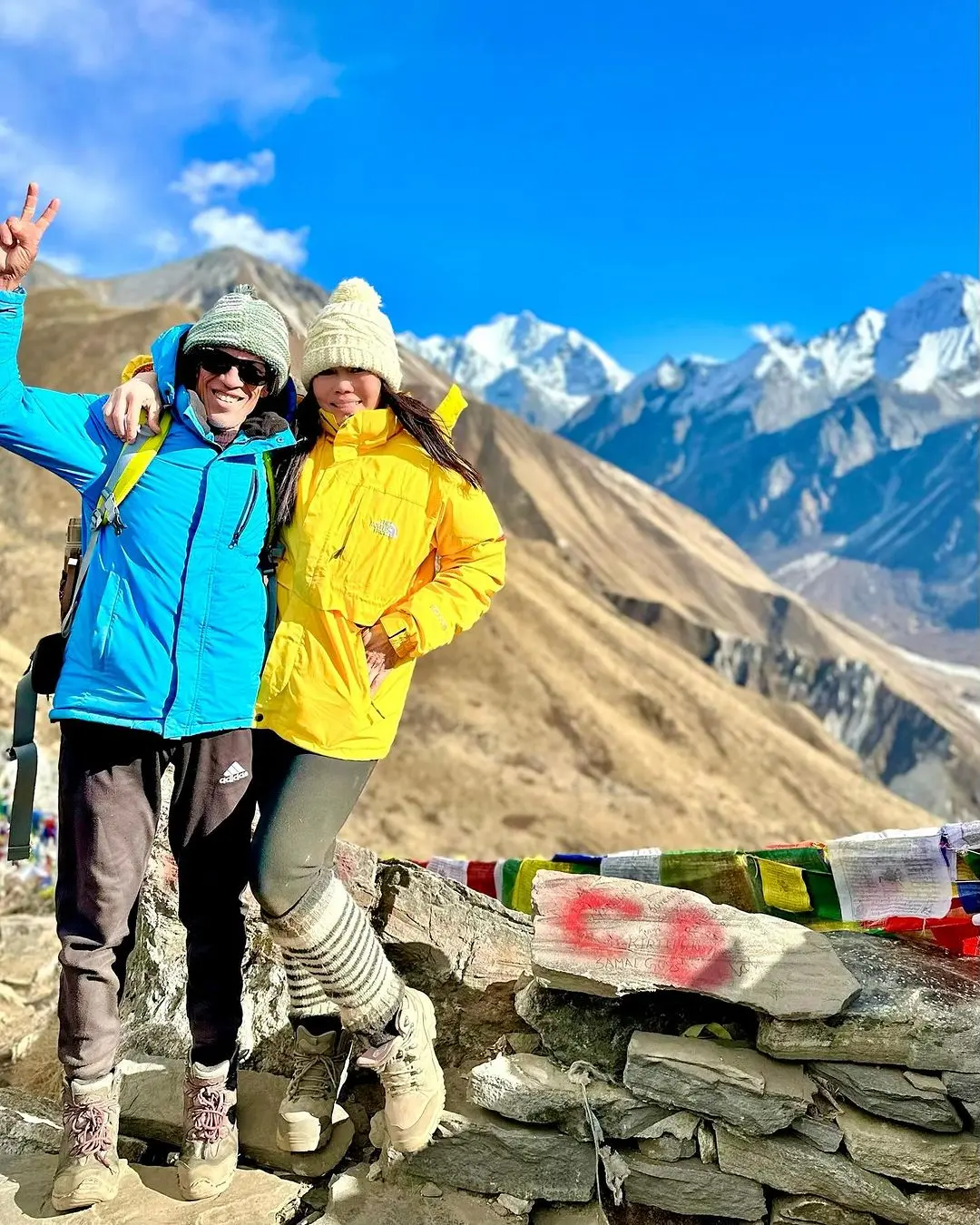
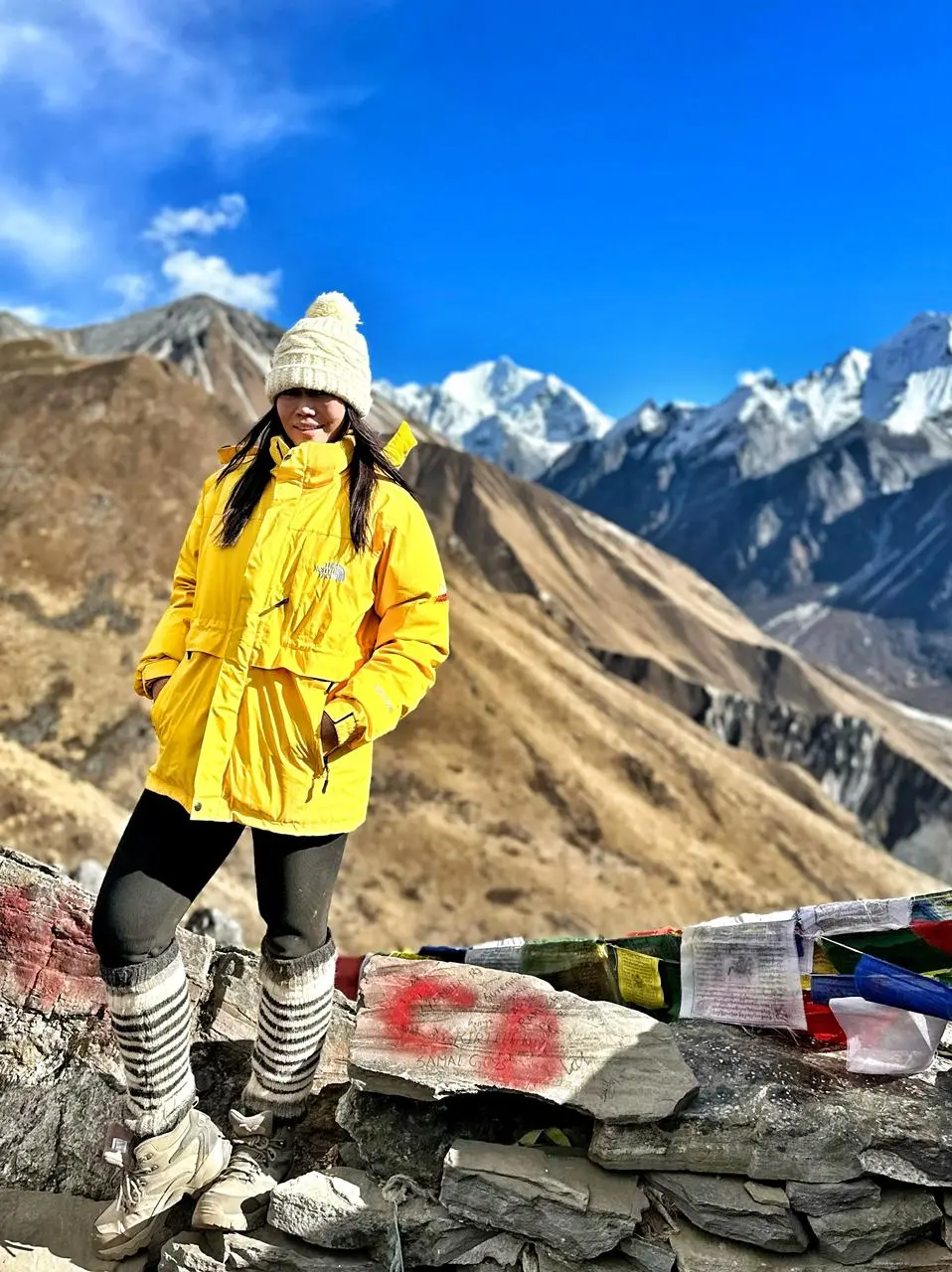
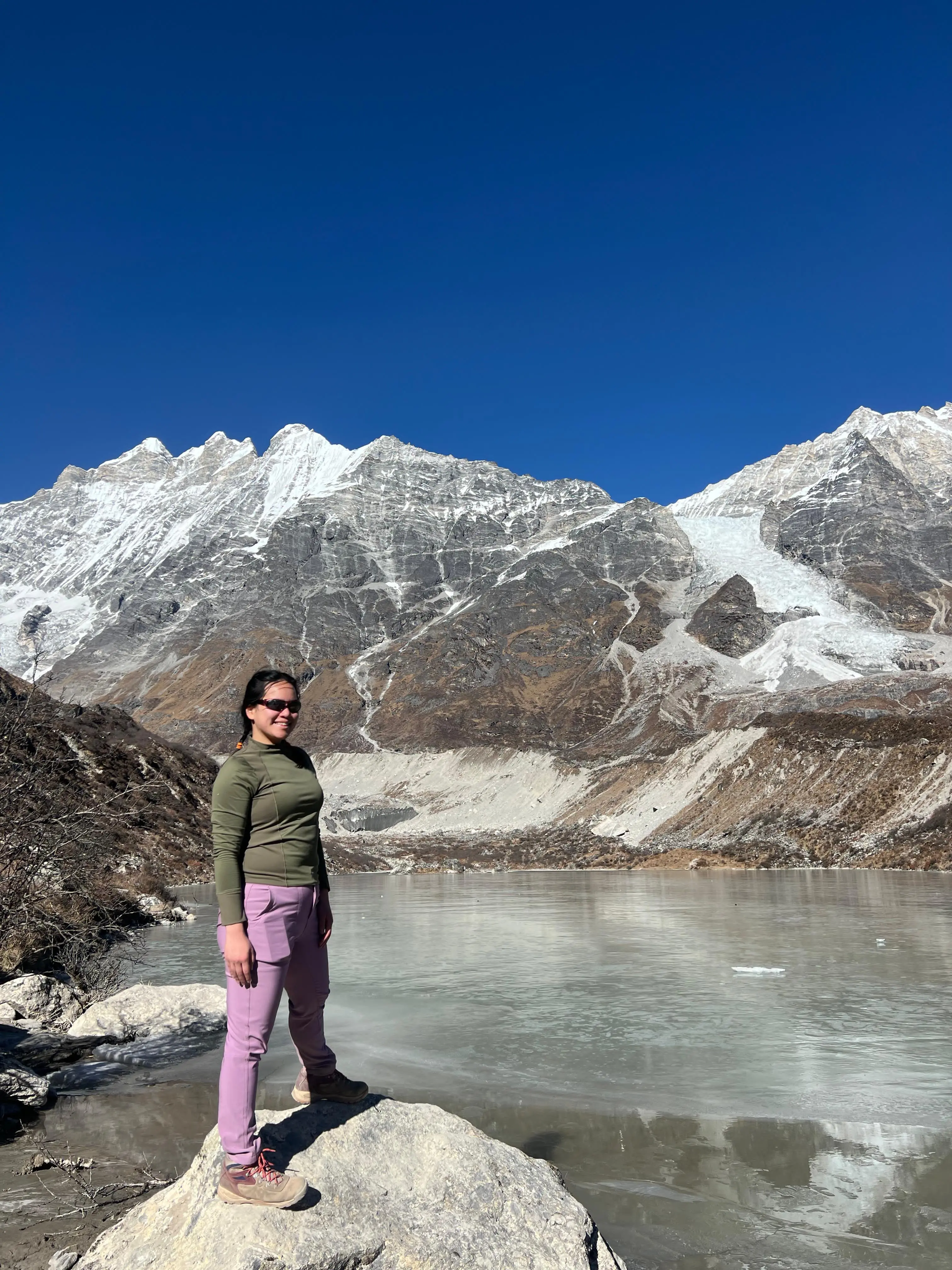
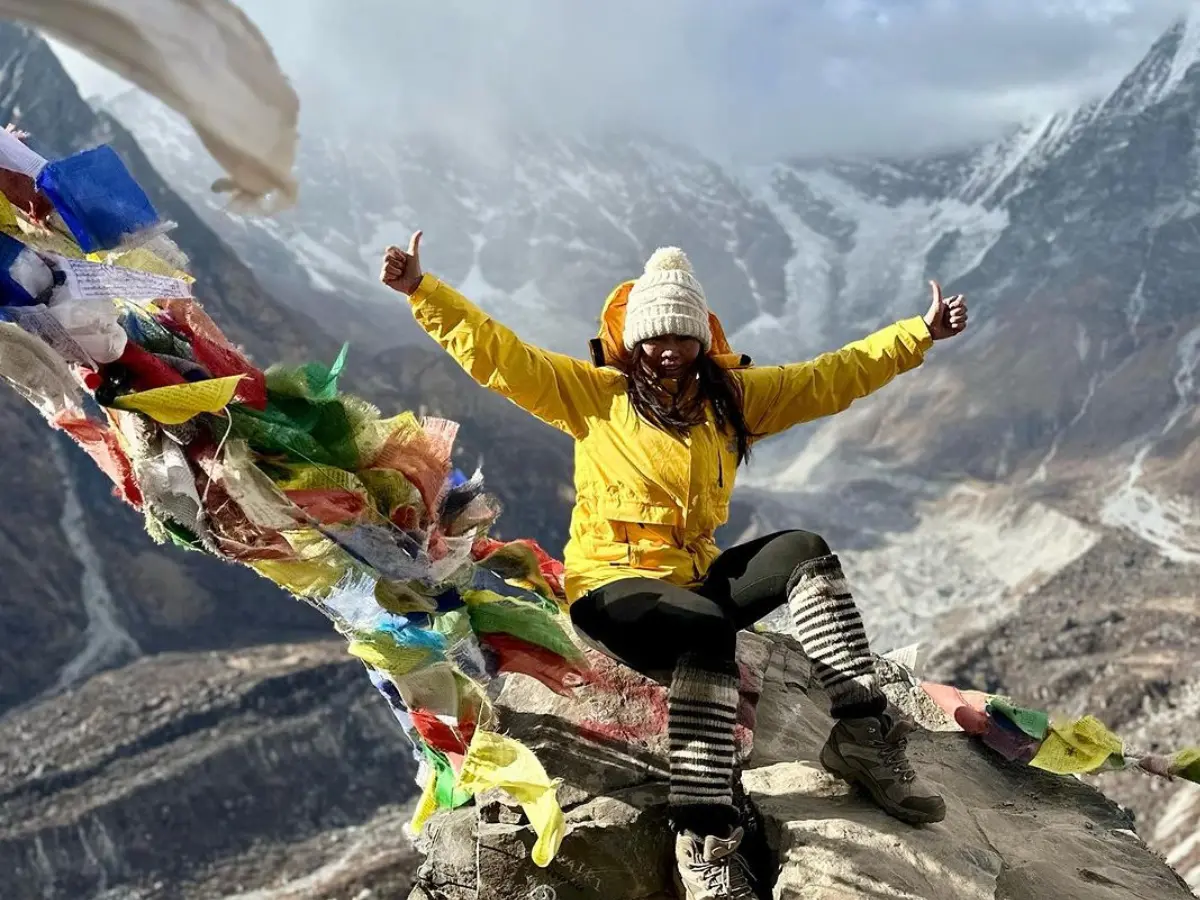
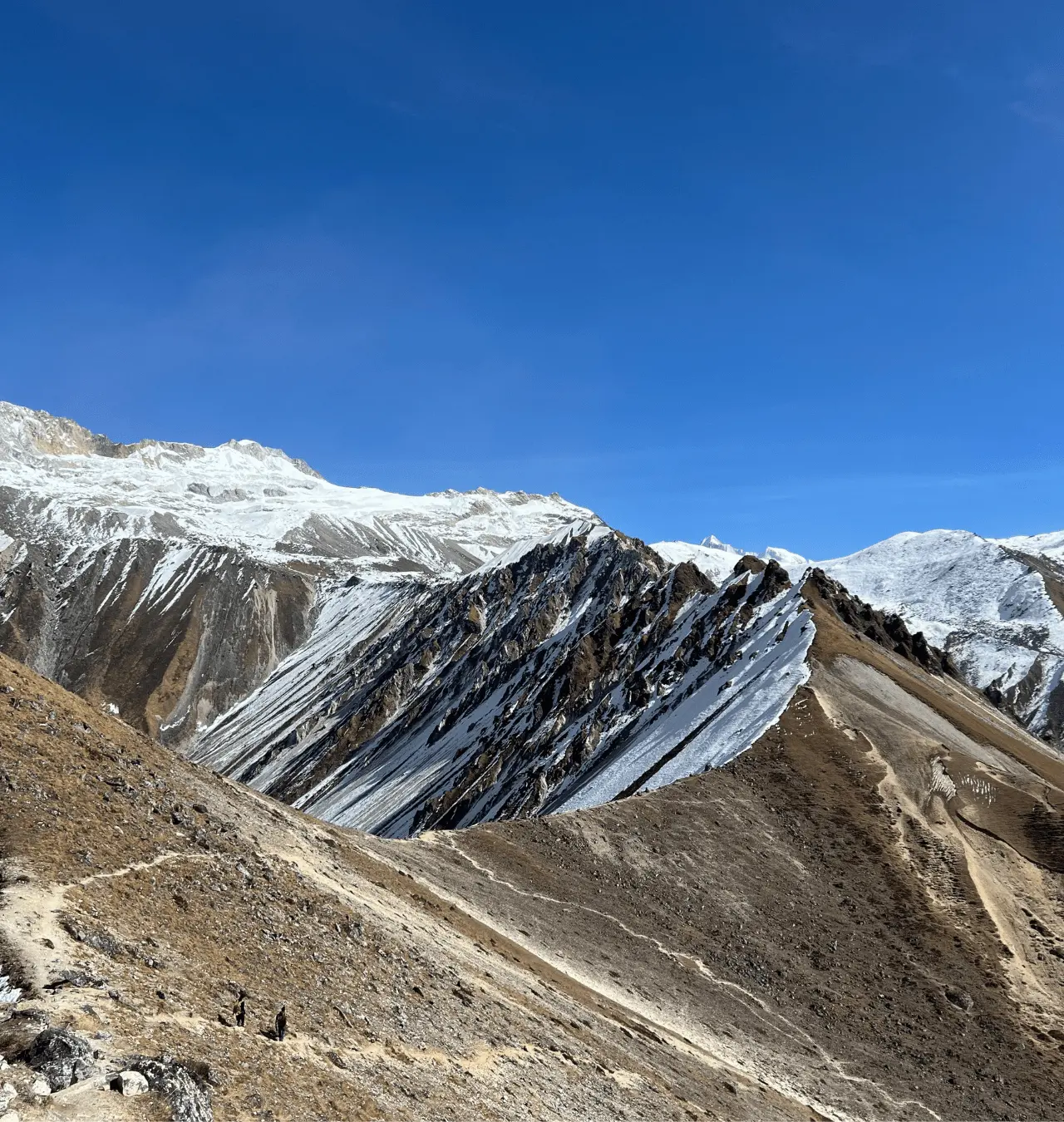
  • Breathtaking Langtang Lirung, Dorje Lakpa, and the Himalayan mountain ranges.
  • Discover the real Tamang culture and old mountain villages.
  • Explore ancient monasteries, prayer wheels, and Buddhist heritage.
  • Hike through rivers, waterfalls, and glaciers.
  • Time to venture to Kyanjin Gompa and the surrounding perspectives.
  • Use less crowded trails that are more peaceful than those in the Everest and Annapurna regions.
  • Experience spectacular sunrises and sunsets on snow-capped mountains.
  • Opportunity to see wildlife such as red pandas and Himalayan birds.
  • Trekking experience in comfortable teahouses with local hospitality.

The Langtang Valley Trek is one of the shortest treks from Kathmandu. Located on the north side, the trek lies inside the Langtang National Park. A 10-day trek to Langtang Valley will disclose the serene views of local culture and traditions, terrain landscapes, and snowcapped mountains, along with Langtang National Park. The Langtang Valley Trek is home to the Tamang communities.

Tourists can enjoy the magnificent views of the mountains, like Langtang Lirung (7,234 m) and Ganesh Himal (7,422 m). Langtang National Park is the natural habitat for the red panda and diverse birdlife. Prominent yak cheese factories and ancient monasteries are located in Langtang Valley.

The Langtang Valley was established by the ethnic Tibetan nomads in the 15th century. The early economy in the Langtang Valley relied on yak herding and cross-border trade. The Nepalese government established the Lantang National Park in 1976. This was the country’s first national park, located in the Himalayas. The official trail to the trek starts from Syabrubesi, which is easily accessible by road. This trek is most visited by trekkers who want to experience a blend of nature and culture without stepping too far from the city.

You can also book your Langtang Valley Trek (10 days) with Suka Jalanjalan-your easy travelling partner, to enjoy a well-organized and hassle-free adventure. Through highly trained guides, well-planned itineraries, and emphasis on comfort and safety, Suka Jalanjalan makes your experience in the beautiful Langtang Valley a really memorable Himalayan adventure.

A Few Sites at the Langtang Valley Trek

The Langtang Valley Trek is a short and one of the most beautiful treks in Nepal, providing an ideal blend of Himalayan views, Tamang culture, and various natural scenes. Through thick woods and river basins to mountain-top vistas, each station on the route contributes something new to the adventure. Some of the sites that cannot be left out in the Langtang Valley trek that make this adventure memorable are enumerated below.

Syabrubesi

The first point of the Langtang Valley Trek and the start of your Himalayan adventure is Syabrubesi. This is a small, riverside village providing simple accommodation, neighborhood stores, and a glimpse into Nepali village life. This is the starting point of the trail, and this is where the road access is abandoned, and you continue in the mountains.

Lama Hotel

Lama Hotel is a tranquil resort that is enclosed by bushes of rhododendron, bamboo, and oak trees. This part of the trek is full of nature and wildlife, and it provides a serene atmosphere, ideal for resting and recovering. The Langtang River flowing around also makes the experience even more relaxing.

Ghora Tabela

Ghora Tabela is the point where forested trails are replaced by broad alpine valleys. It has historically been a Tibetan resettlement region, but now it is a key resting spot for the trekkers. Here, the vistas of snow-capped mountains start to reveal and provide the first actual glimpse of the Langtang Himalayas.

Langtang Village

Langtang Village is a Tamang traditional village with rich culture and hospitality. The village was reconstructed following the 2015 earthquake, and it is a representation of perseverance. One place offers trekkers the opportunity to experience local traditions, houses made of stone, and impressive mountain panoramas.

Kyanjin Gompa

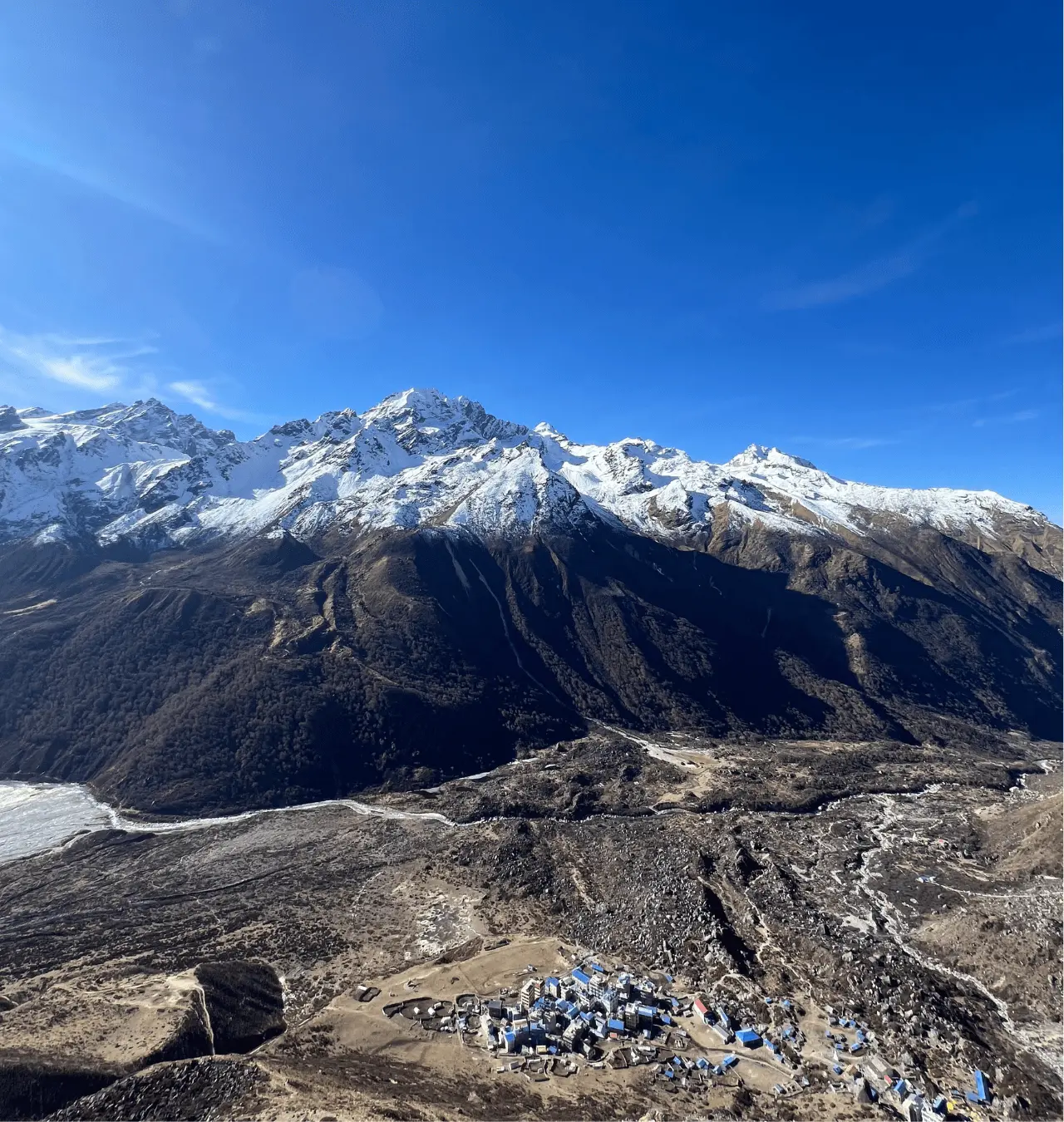
The primary goal of the trek is Kyanjin Gompa, which is among the most beautiful areas in the area. It boasts an ancient monastery and a yak cheese factory and provides a tranquil Himalayan ambience amidst glaciers and towering mountain ranges.

Langtang National Park

The total walk is in Langtang National Park, the first national park in the Himalayas of Nepal. It is home to endangered wildlife such as red pandas and Himalayan tahr and to a variety of ecosystems, including forests and glaciers.

Accommodations at Langtang Valley Trek

Accommodation in the Langtang Valley Trek is mainly basic tea houses, lodges, and community-based guesthouses along the path. The following accommodations are basic twin-sharing rooms, shared bathrooms, and traditional Nepali foods such as dal bhat, noodles, and soups. Better amenities are available in the lower areas like Syabrubesi and Lama Hotel, whereas more basic and scenic accommodations are in higher areas like Kyanjin Gompa that overlooks the Himalayan landscapes.

There is also the Langtang trek accommodation that has been characterized by warm hospitality and cultural authenticity despite its simplicity. Others provide additional services such as Wi-Fi, hot showers, and charging options at an extra fee. Not only do they give a rest after a day of hard trekking, but also, by staying in these tea houses, trekkers receive an opportunity to learn more about the local lifestyles and help in the development of mountain communities.

Route to Langtang Valley Trek

The Langtang Valley Trek trail begins at Kathmandu (1,400 m), where trekkers normally take a rest or adaptation day before venturing into the mountains. It is a long but beautiful, 6 to 7-hour drive to Syabrubesi (1,462 m), the entrance to the Langtang region. This is the start of the trekking experience through valleys of rivers, hills, and villages as the terrain slowly grows more remote and mountainous.

The trekking path, starting at Syabrubesi, will take us up the mountain through thick forests, suspension bridges, and small villages to Lama Hotel (2,500 m), which is one of the most commonly used resting points and is located in the middle of nature. The trail then proceeds upwards to Langtang Village (3,430 m), where the tourists get a taste of Tamang culture and breathtaking mountain scenery. The second important destination is the Kyanjin Gompa (3,870 m), a beautiful high-altitude village featuring a monastery, glacier views, and a serene Himalayan location.

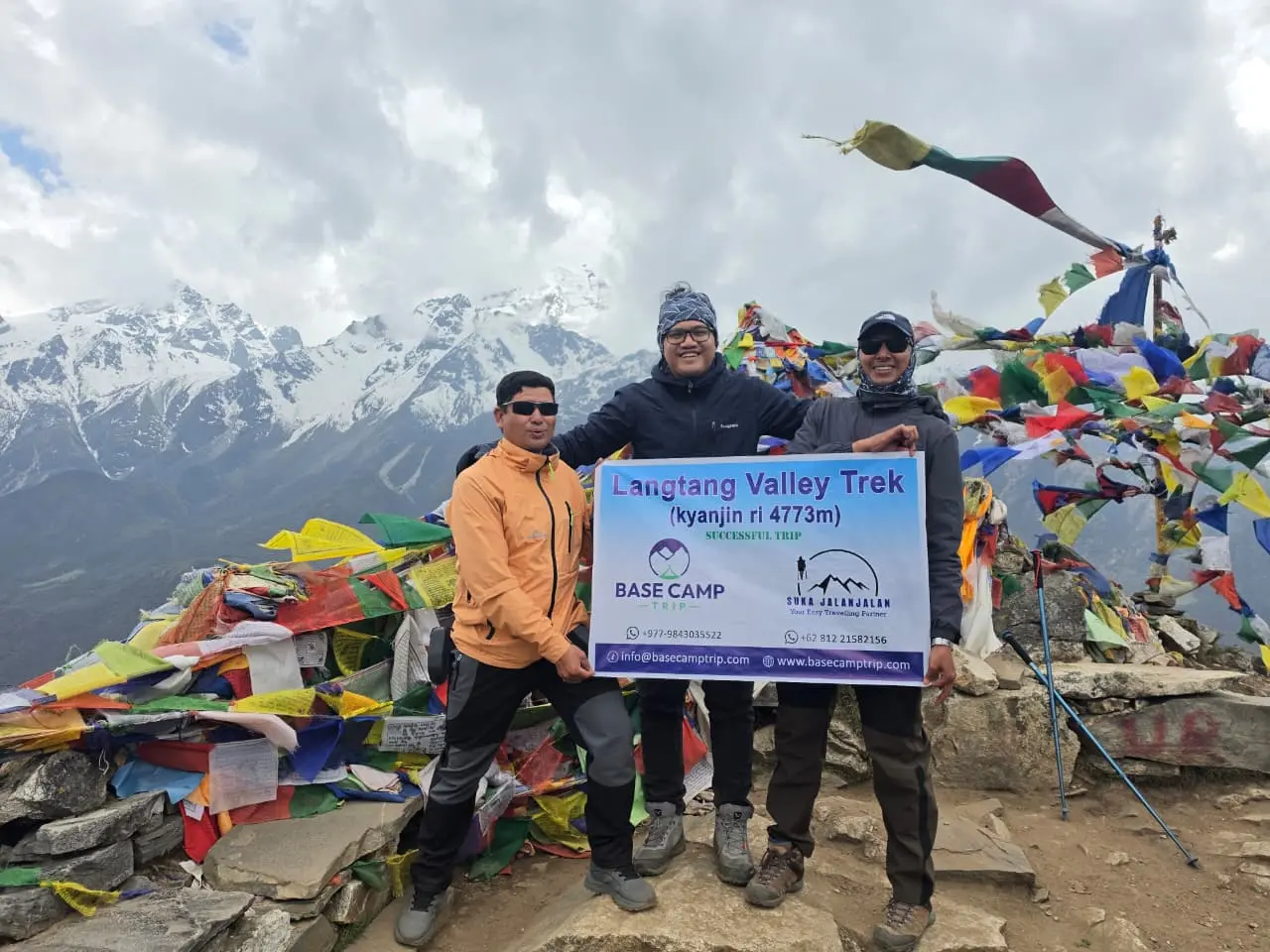
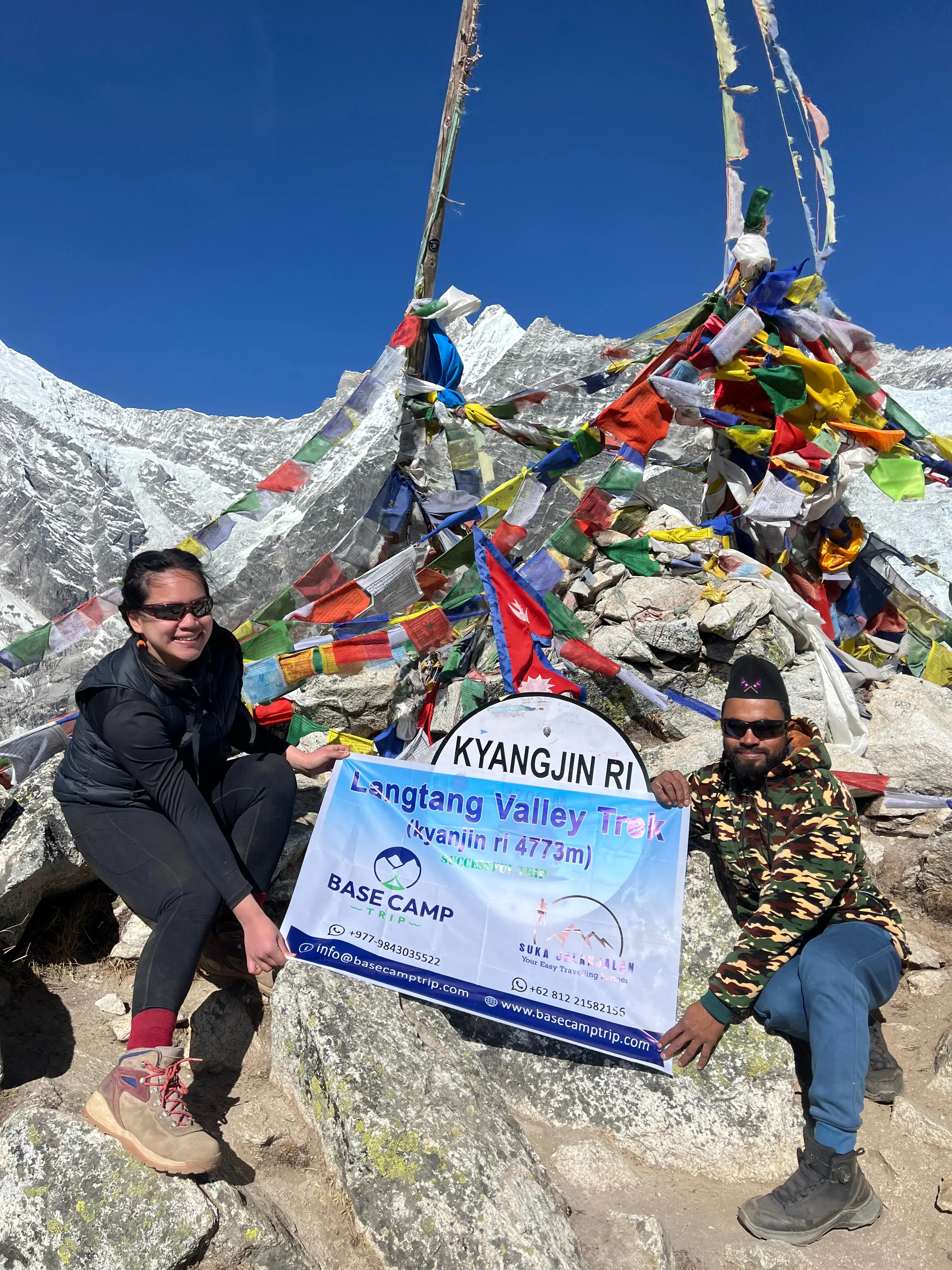
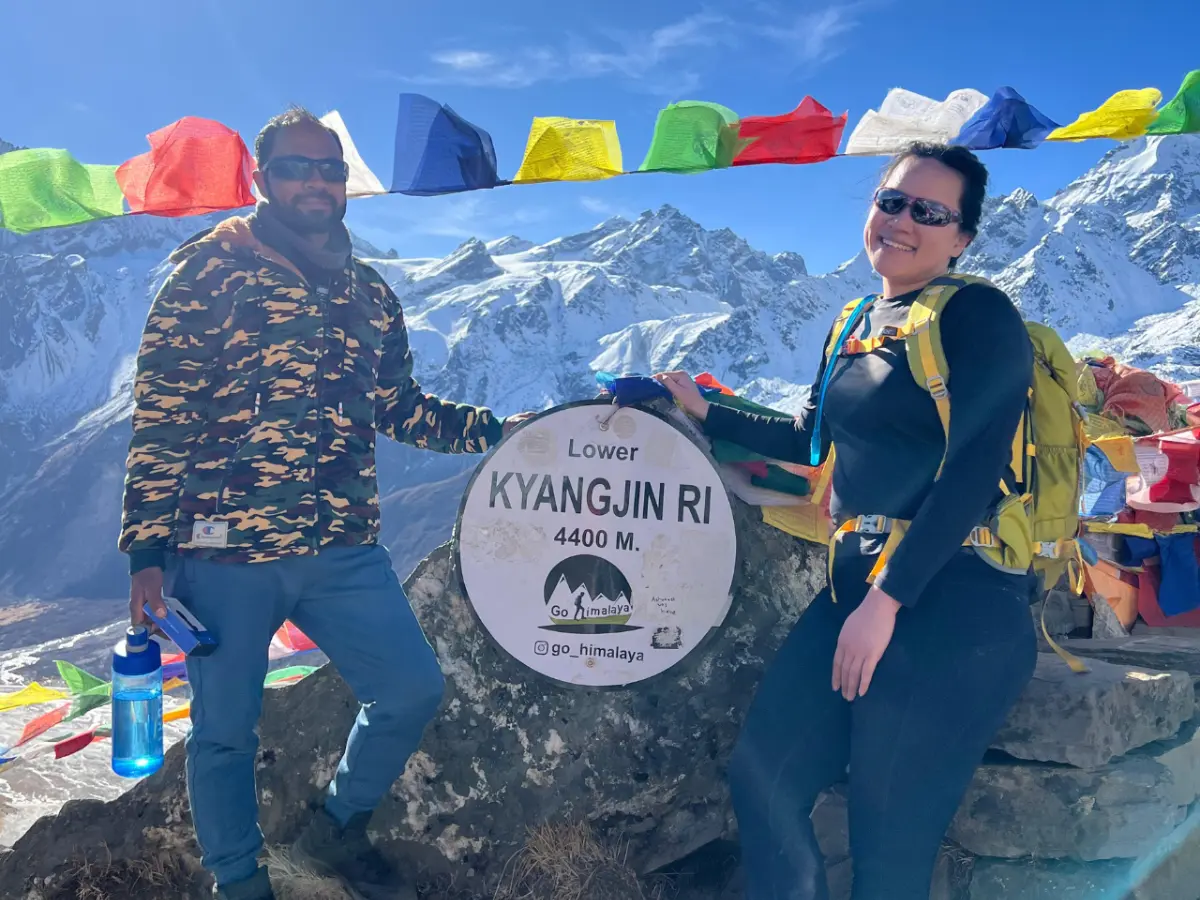
The acclimatization day at Kyanjin Gompa is also an important part of the route, as it allows trekkers to get used to the altitude and visit nearby viewpoints, including Kyanjin Ri. The same trail is then taken back to Lama Hotel and Syabrubesi after exploration, retracing the beautiful forest tracks and river valleys. Lastly, a trek back to Kathmandu is done via a drive through Syabrubesi, which ends the Langtang Valley Trek route.

What can you expect from the Langtang Valley Trek Package?

The Suka Jalanjalan Langtang Valley Trek is a well-planned Himalayan adventure into the beautiful Langtang Valley that is near Kathmandu. It is an adventure journey that will take you through picturesque trails, traditional Tamang villages, forests, and spectacular mountains, all within the conserved Langtang National Park. It is an ideal combination of nature, culture, and adventure for both novices and experienced trekkers.

When it comes to Suka Jalanjalan, you are guaranteed a total package of permits, accommodation, meals throughout the trek, experienced guides, and full support throughout the trek. Trekking in the Himalayas is a safe, comfortable, and enjoyable experience with breathtaking views and the local culture at every turn.

Is the Langtang Valley Trek suitable for beginners?

Well, the Langtang Valley Trek is quite good for first-timers and those who desire to have a true Himalayan adventure without the technicality and high-altitude challenge.

The Langtang Valley trek is a moderate-level trek. The tracks consist of constant uphill and downhill hiking, with no mountaineering experience needed. The first-time trekkers can easily complete it with proper pacing and simple fitness. It is also a lot closer to Kathmandu and hence easier to access and manage as opposed to long, remote hikes.

Nevertheless, first-timers must still be ready to deal with altitude variations within the Langtang National Park, lengthy trekking periods, and simple teahouse lodging. A carefully designed itinerary, acclimatization, and the services of experienced trekking firms such as Suka Jalanjalan make the Langtang trek a safe, enjoyable, and memorable experience for first-time trekkers.

Why choose the 10-day Langtang Valley Trek?

One of the most recommended trips to see the complete beauty of the Himalayas without being in a hurry is the 10-day Langtang Valley Trek with Suka Jalanjalan. It transports you deep into the beautiful Langtang Valley and gives you ample time to explore the land, culture, and even proper acclimatization as you trek through the serene trails around Kathmandu.

This time is optimum since it will provide the trekkers with a moderate time; they will have time to visit the villages, forests, glaciers, and viewpoints within the Langtang National Park without feeling hurried. The additional days assist in safe highland acquisition, more rest, and a more delightful trekking adventure, particularly for first-time trekkers.

You can also explore more deeply with Suka Jalanjalan to get a 10-day itinerary, a comfortable trekking agenda, and greater possibilities of clear mountain views. It is the best option when someone desires to have a completely relaxed and memorable adventure in the Himalayas.
Langtang Valley Trek—10 Days Itinerary

Day 1

Arrive in Kathmandu and get an escort to the hotel

On reaching Kathmandu, our team will receive you at Tribhuvan International Airport and take you to your hotel. You may have a rest and recover after a journey after check-in. Kathmandu is a vibrant city with a rich culture of temples, markets, and so on, so you can go on a short walk around Thamel in case you want to explore. It is the day of mostly resting and preparing to begin the Langtang Valley trek.

Shortly before the start of the trek in the evening or during the next day's briefing time (as scheduled), you will be introduced to the trek, gear check, and safety information by your guide.

Max Altitude: 1400
Meals: Null
Accommodation: Hotel
Day 2

Drive from Kathmandu to Syabrubesi

Your trip starts with a picturesque ride from Kathmandu to Syabrubesi, the start point of the Langtang region, after an early breakfast. The journey is approximately 6-7 hours long and follows curvy mountain paths, rivers, terraced hills, and villages that represent the beauty of rural Nepal.

On reaching Syabrubesi, you will be accommodated in a local hotel or lodge. The night is also free to rest and get ready for the days of trekking that lie ahead.

Max Altitude: 1462
Meals: Breakfast/Lunch/Dinner
Accommodation: Hotel
Day 3

Trek from Syabrubesi to Lama Hotel

It is the first day of trekking in the Langtang region. The route goes along the Langtang River and slowly ascends through the thick bamboo, oak, and rhododendron forests. You will pass through some suspension bridges and might be able to see wildlife like monkeys and colorful birds in the process.

The next stop after the continuous ascending walk will be the Lama Hotel, a serene destination in the midst of nature, where you will spend the night in a comfortable tea house.

Max Altitude: 2500
Meals: Breakfast/Lunch/Dinner
Accommodation: Tea House
Day 4

Trek from Lama Hotel to Langtang Village

The path proceeds into gorgeous wooded areas and then into expansive alpine scenery. Before you arrive at Langtang Village, you will have to pass through Ghodatabela, a picturesque resting place.

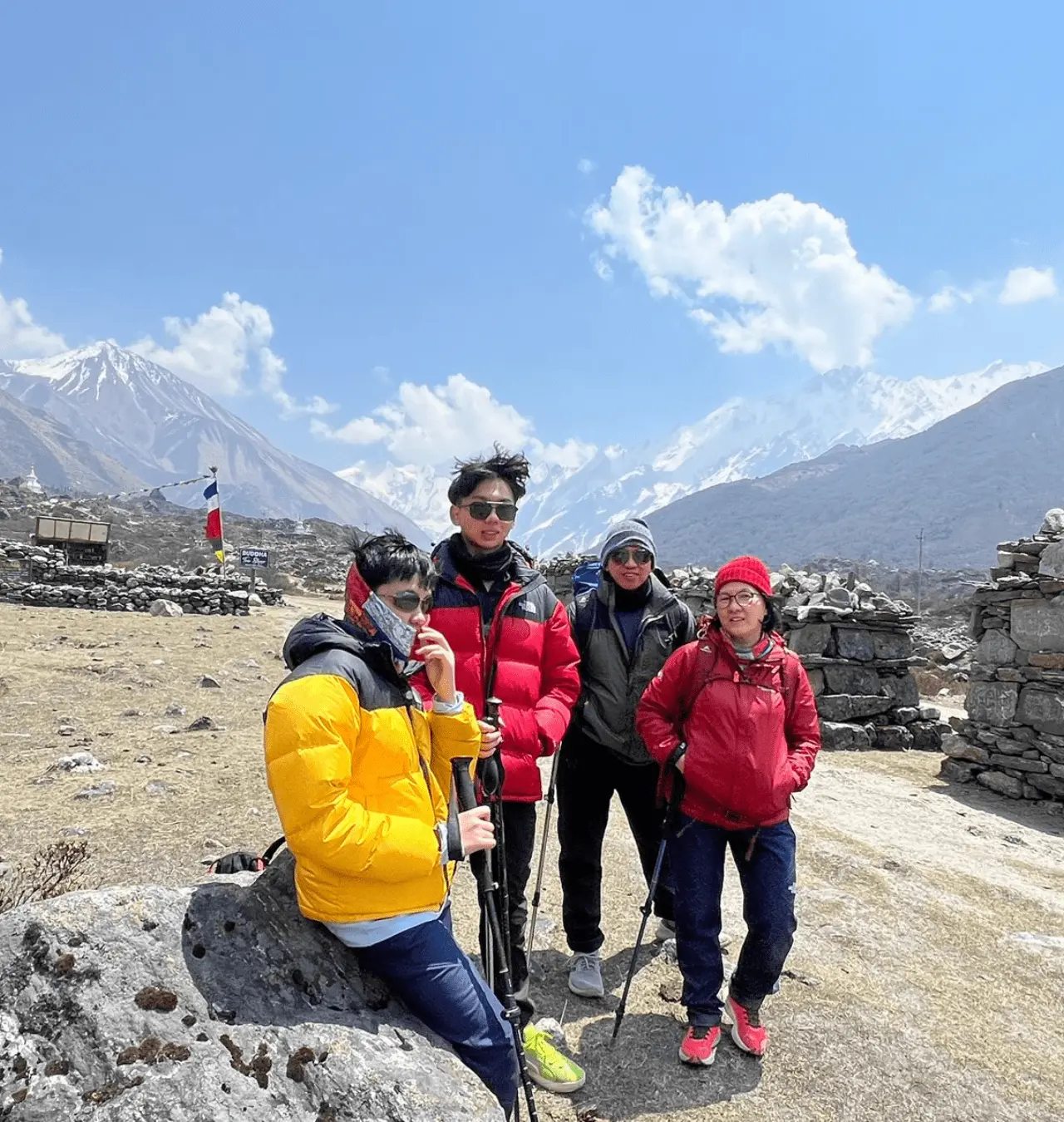
The Tamang people reside in Langtang Village, which is very culturally diverse. Traditional stone houses, prayer flags, and gorgeous snow-covered peaks will adorn the valley.

Max Altitude: 3430
Meals: B/L/D
Accommodation: Tea House
Day 5

Trek from Langtang Village to Kyanjin Gompa

The walk of today is shorter but very picturesque as you venture further into the Himalayas. The scenery is made more alpine by the presence of yak herds, glaciers, and spectacular mountain scenery.

When you arrive at Kyanjin Gompa, you will have the chance to visit the monastery and have a wonderful view of Langtang Lirung and some other peaks. This is one of the most beautiful stops of the Langtang Valley Trek.

Max Altitude: 3870
Meals: Breakfast/Lunch/Dinner
Accommodation: Tea House
Day 6

Acclimatization Day at Kyanjin Gompa

This is an important rest and acclimatization day in Kyanjin Gompa. It is possible to hike to the nearby viewpoints like Kyanjin Ri to have a spectacular panoramic view of the Langtang Himalayas, glaciers, and valleys. Exploring, going back to the tea house, and having a rest.

Max Altitude: 3870
Meals: Breakfast/Lunch/Dinner
Accommodation: Tea House
Day 7

Trek from Kyanjin Gompa to Lama Hotel

You start with breakfast and then continue down the beautiful road you came on. The stroll will be made along the Langtang Village and forested areas and will finally arrive at the Lama Hotel. The descent trip gives another view of the scenery that you went through in the previous direction.

Max Altitude: 2500
Meals: Breakfast/Lunch/Dinner
Accommodation: Tea House
Day 8

Trek from Lama Hotel to Syabrubesi

You proceed today down through green woods, riverbanks, and bridges into the valley towards Syabrubesi. The walk is not as difficult as the uphill days, but it is still long and scenic.

After reaching the area, you will be able to unwind and enjoy the end of your trekking experience in the Langtang area.

Max Altitude: 1462
Meals: Breakfast/Lunch/Dinner
Accommodation: Tea House
Day 9

Drive from Syabrubesi to Kathmandu

You will spend the morning after breakfast driving back to Kathmandu with beautiful views of hills, rivers, and rural landscapes. Upon arrival, be sure to check into your hotel and have a stress-free evening in the city.

You may do your shopping for souvenirs, go to local restaurants, or just have a rest after the trek.

Max Altitude: 1400
Meals: Breakfast/Lunch
Accommodation: Hotel
Day 10

Departure / Trip End

Today is the last day of your Langtang Valley trek. In case you are not prolonging your stay, our staff will take you to the airport to get you off, and this will be the end of your Himalayan adventure.

Meals: Breakfast
Accommodation: None (optional extension available)
Still Confuse?
No worries — we’re here to help. Whether you have questions or just need a bit more clarity, feel free to reach out. Our team is ready to guide you every step of the way.

Cost Details

Includes

  • Pick-up and drop-off at airports by vehicle.
  • Breakfast in a 3-star hotel in Kathmandu.
  • Basic guesthouse accommodation during the trek on a twin-sharing basis.
  • All trekking (breakfast, lunch, and dinner) meals with local fruits and tea/coffee.
  • Langtang National Park entry permit and TIMS card
  • Free trekking equipment (duffel bag, trekking pole, map, first-aid kit, pulse oximeter, satellite phone)
  • Certified Nepali trekking guide and porter (1 porter every 2 trekkers)
  • Accommodation, food, allowance, and high altitude insurance for the guide and porter.
  • Trip completion certificate
  • All service charges and taxes of the government.

Excludes

  • International flights in and out of the country.
  • Travel insurance (needs to cover helicopter evacuation and medical insurance)
  • Lunch and dinner in Kathmandu
  • Individual walking gear and clothing.
  • Personal expenses, shopping, and souvenirs.
  • Tips for guides, porters, and drivers.
  • Bar bills, bottled water, and other beverages during the trek
  • Nepal visa fee
  • Any additional expenses that are not stated in the “Includes” section.

Essential Information

Best Time for Langtang Valley Trek

To have a full experience of the natural beauty, cultural richness, and breathtaking Himalayan views of Langtang Valley, it is necessary to select the most appropriate moment to go to Langtang Valley Trek. This trek is found near Kathmandu and can be undertaken all year round; some seasons provide much better trekking conditions, visibility, and experience.

Spring Season (March-May)

One of the most popular trekking seasons in the Langtang region is spring. The climate is favorable during this season with mild temperatures, and long trekking days are easy. The pathways within Langtang National Park are an animated symphony of rhododendrons and greenery. The visibility is usually good, and the trekkers are provided with breathtaking mountainous views and colorful landscapes, making it ideal for photography and nature enthusiasts.

Autumn Season (September to November)

The Langtang Valley Trek is thought to be best during the fall season. The Himalayas have uninterrupted panoramic views, which are crystal clear after the rains during the monsoon season. The paths are non-slippery and secure, and the weather is neither hot nor cold, which is suitable for both inexperienced and seasoned hikers. It is also the season of major festivals in Nepal, and the cultural touch is one more thing that can be added to your trekking experience.

Winter Season (December-February)

Langtang winter trekking is less crowded and quieter, so it is suitable for those who want to be alone. Nevertheless, temperatures decrease considerably, particularly in the higher altitudes, and snow may cover some of the trails. The winter trekking experience is a one-of-a-kind experience despite the cold, with the snow-covered mountains being unbelievably beautiful to the well-prepared adventurers.

Cultural Highlights at Langtang Valley

The Langtang Valley Trek is not just a journey of breathtaking beauty but also a journey of cultures in the core of the Himalaya. This area is situated in Langtang Valley, and this is a great chance to live in the real world of the mountain, with the strong influence of Tibetan culture and Buddhist background. The cultural experiences here render the journey all the more significant and memorable.

Tamang Culture and Lifestyle.

The Tamang community is the major community in the Langtang region, and their culture is closely associated with Tibetan culture. The trekkers get a chance to see the day-to-day life of the people, such as agriculture, yak rearing, and the ancient ways that have been practiced over the years. The Tamang people are very hospitable, and hence the warm hospitality that is extended to visitors makes them feel welcome and as part of one family.

Buddhist monasteries and spiritual practices.

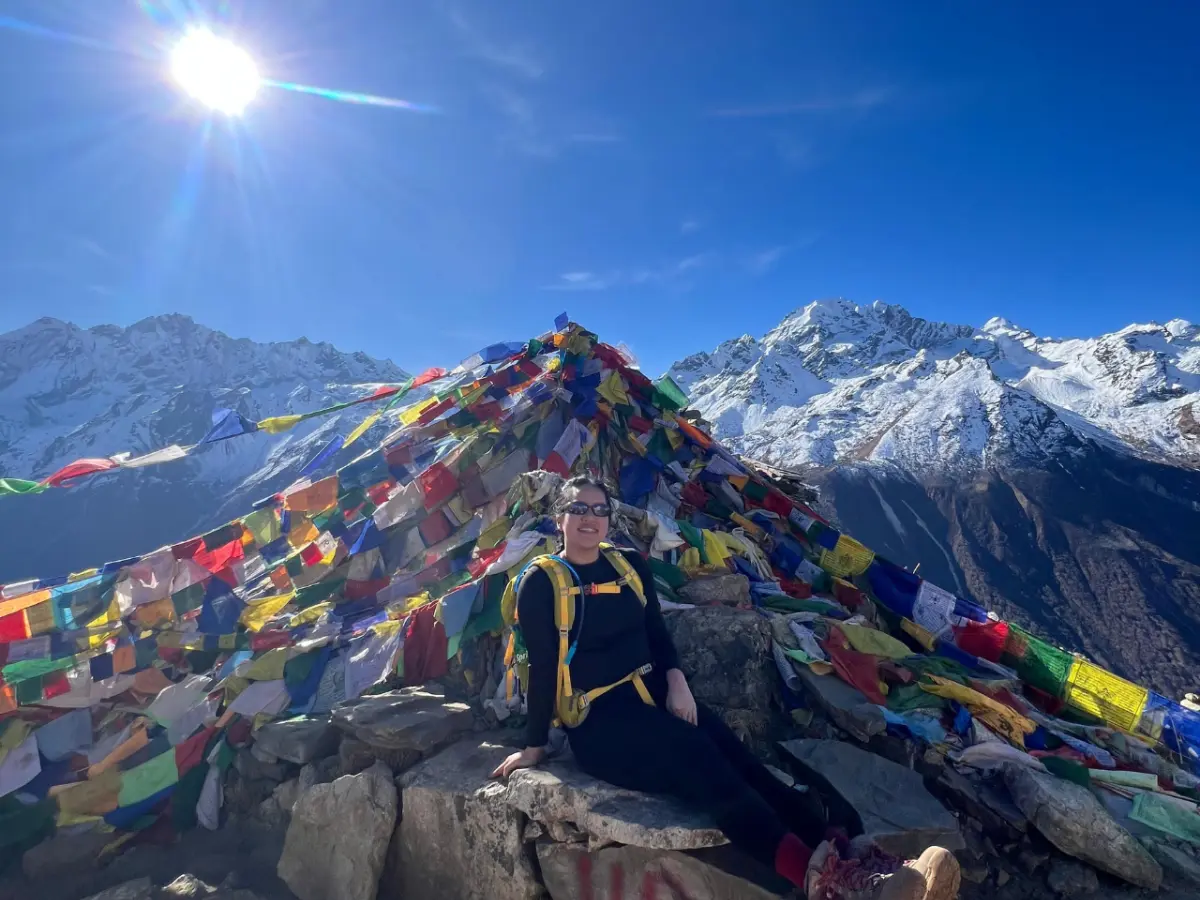
On your way, you will encounter old monasteries, prayer wheels, mani walls, and chortens, which portray the heavy Buddhist implication in the area. These religious sites within Langtang National Park are places of rest and help one learn a bit more about the local beliefs, rituals, and lifestyles revolving around Buddhism.

Traditional Villages and Architecture.

The houses of the villages of the Langtang Valley are built with stone and carved with wood and, in general, are very simple and practical, which is appropriate in mountain life. During a walk through these villages, trekkers can get a preview of the traditional Himalayan architecture and development of communities living in high-altitude areas over the centuries.

Festivals and Local Traditions

When you come at the time of festivals, you can observe colorful festivals like Lhosar (Tibetan New Year) when the people come out dressed in traditional clothes, dancing and feasting together with their community. Such cultural events give a more in-depth insight into the traditions and spiritual beliefs of the area.

Local Food and Hospitality.

Another important aspect of the cultural experience is trying the local food, such as dal bhat, Tibetan bread, and foods made of yak. Food is usually basic but nutritious and gives the stamina required to trek in the valley, as well as supports the lifestyle in Langtang Valley.

Views during the Langtang Valley Trek

The Langtang Valley Trek is known to have a variety of spectacular scenery with some of the most beautiful Himalayan views in Nepal. The scenery of the Langtang Valley is also diverse; as you pass through lush forests and high alpine terrain, every day of your trek is a rewarding and memorable experience.

Himalayan Mountain Views

The view of towering glacial mountains such as Langtang Lirung, Dorje Lakpa, and the Himalayan ranges around is one of the highlights of the trek. These snow-capped mountains are the center of the skyline, and they are more spectacular as you rise in altitude. The uninterrupted sight, particularly in the evening and the morning, makes trekkers have a magical Himalayan experience.

Glaciers and Alpine Scenes.

Further up into the valley, the landscape becomes rough alpine landscapes with glaciers, rock cuts, and open valleys. The Langtang Glacier region provides its guests with a wild and dramatic natural environment, which provides trekkers with a real experience of the Himalayan wilderness within Langtang National Park.

Forests and River Valleys

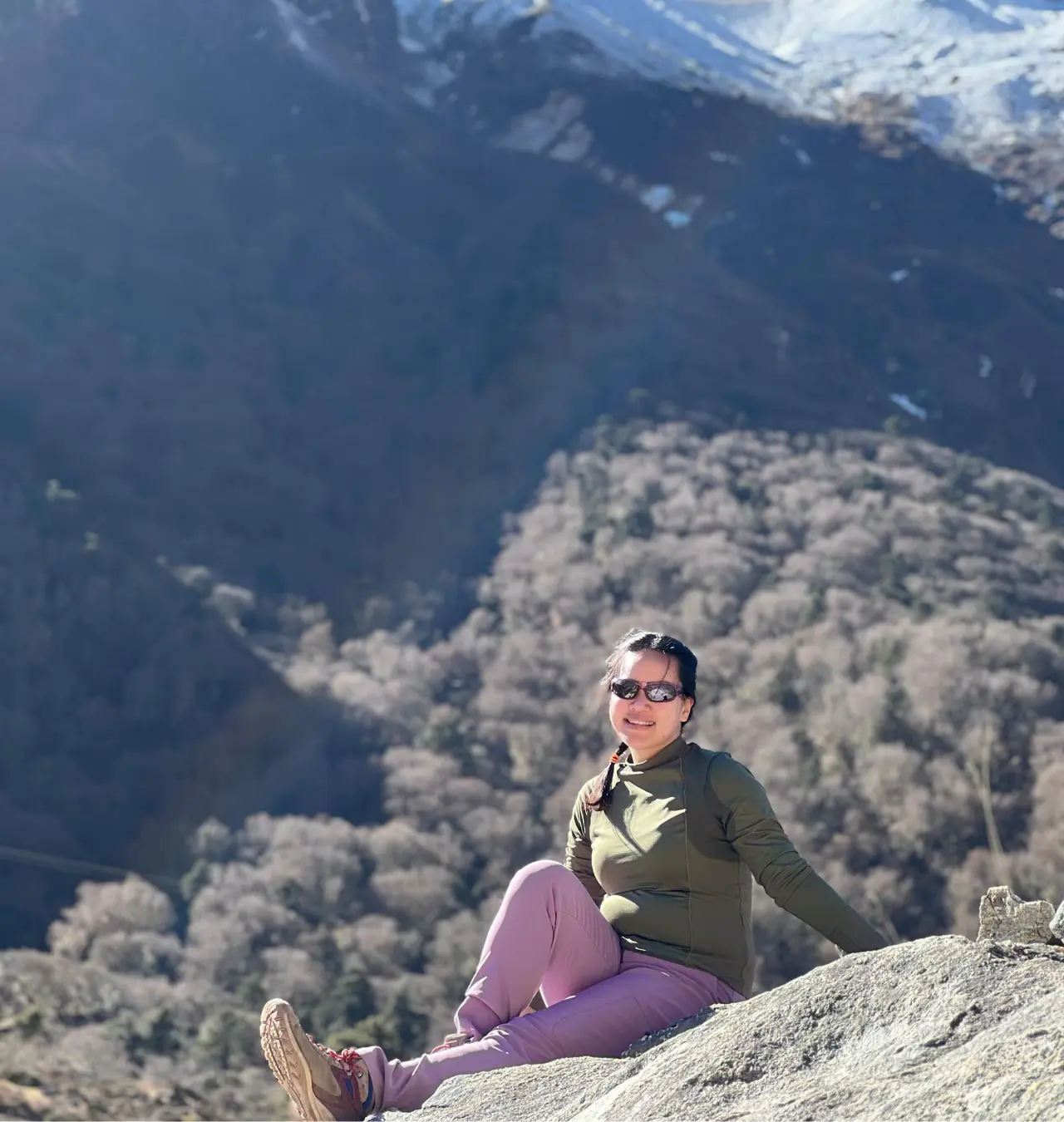
The latter half of the trek is through thick forests of rhododendron, bamboo, and pine trees. These trails will accompany you on the way of flowing rivers and waterfalls that will also contribute to the peaceful and refreshing atmosphere. Such green scenery offers a nice contrast to the snowy mountains above.

Flora and Fauna.

Langtang is a biodiversity area, and the trekker is likely to see wildlife like red pandas, Himalayan deer, and other species of birds. The forests are beautiful in nature, and the journey is both adventurous and relaxing due to the fresh mountain air.

Sunrise Sea View and Sunset View.

Some of the most memorable moments of the trek are sunrise and sunset. The snow-covered peaks are reflected in the golden light that provides stunning scenery that can be captured in photography. These can be best viewed from elevated positions on the trail beginning at Kathmandu.

Challenges and Difficulties at Langtang Valley Trek

The Langtang Valley Trek is moderate, yet it has a few challenges, which trekkers must be ready to face. When you are hiking through the scenic Langtang Valley, you will encounter both physical and environmental challenges that need to be planned, trained, and educated.

Altitude and Acclimatization

Increasing altitude is one of the primary issues of the trek. As you climb further into the Langtang National Park, the oxygen becomes lower, and this may cause altitude sickness. Symptoms such as headache, dizziness, and fatigue can be experienced when necessary acclimatization is not observed. Rest days and gradual ascent will aid in minimizing risks.

Long Walking Hours

Trekkers normally spend 5-7 hours per day on different terrain. Certain days can be physically tiring as there are steep uphill and downhill walks. The continuous walking over a few days may be exhausting, particularly to those who are new to long-distance trekking.

Steep and Uneven Trails

The Langtang trails consist of rocky roads, stone steps, and narrow roads. Throughout some of the journey, particularly ascents, the surface can be tricky and needs a sense of good balance and stamina. Trekking poles may be useful in terms of stability.

Weather Conditions

The Himalayas' climate is volatile and can change rapidly. There can be sudden rain, wind, or a change in temperature even during peak seasons. The cold mornings and evenings in higher altitudes contribute to the challenge, and thus, proper gear is a necessity.

Essential Accommodation and Facilities.

During the trek, accommodation is primarily in teahouses that have basic facilities. Hot showers, heating, and internet are not necessarily always on. Simple living conditions may prove to be a challenge to a few trekkers, particularly those who are accustomed to greater comfort.

Strength of Body and Mind.

Physical fitness is not the only thing that matters; mental strength is important as well. A few days of walking, acclimatizing to altitude, and being in isolated locations can be a psychological strain. Being positive and well-equipped is important to make the trekking adventure a success, beginning in Kathmandu.

Training for Langtang Valley Trek

To fully enjoy the Langtang Valley Trek and cope with its moderate difficulty level, proper training is a must. Although the trek in Langtang Valley does not involve any technical climbing skills, it does have long working hours, altitude ascension, and different terrain. Having the proper preparation, you can make your trip safer, easier, and enjoyable.

Endurance Cardio Training.

The most vital aspect of your preparation is to build stamina. Exercises such as running, brisk walking, cycling, or swimming are useful in enhancing the fitness of the heart and pulmonary power. Given that you will be spending a few hours every day in Langtang National Park, good stamina will enable you to cope with long hiking days without much exhaustion.

Stability Training Strength.

Strength training is aimed at strengthening your legs, core, and general body. Squats, lunges, step-ups, and planks are exercises that enhance balance and help your body during steep ascents and descents. Powerful muscles will ease the load on your joints, and climbing rough trails will be more comfortable.

Reality Practice Hiking with a Backpack.

Preparation is best done by taking short hikes with a backpack. This will make you accustomed to the weight you are going to carry on the trek. Training on rough surfaces also enhances your balance and walking rhythm, which will make it easier to walk on mountain trails.

Flexibility and Stretching

Yoga and stretching exercises enhance flexibility and lessen the risk of injury. Movable muscles enable your body to adjust to long walks and avoid aches after hiking. Stretching is something that you can add to your routine and will be felt during the trek.

Mental Preparation

Mental strength is a thing that is not much noticed, yet very significant. The journey of several days, accommodation in simple teahouses, and variable weather conditions can be difficult. Having the right mental preparation will enable you to remain positive and motivated during the trip beginning at Kathmandu.

Permits required for Langtang Valley Trek

The trek to the Langtang Valley requires prior proper arrangements before the actual trek by obtaining the necessary permits to enter legally and trek in the safeguarded Himalayan area. These permits contribute to the safety and regulation of trekking activities and conservation in Langtang National Park and the environs of the Langtang Valley.

Langtang National Park entry permit.

It is an entrance fee that all trekkers must have to enter the Langtang region. This permit contributes to the conservation of wildlife, environmental conservation, and maintenance of trails since the trek is located in a conservation area. This permit will be required at different checkpoints on the trekking path.

TIMS Card (Trekkers’ Information Management System)

The TIMS card is mandated to provide safety and security for trekkers in Nepal. It assists in keeping an eye on trekkers and rescue efforts by the authorities in case of an emergency. This system is particularly necessary in the remote trekking regions, such as the Langtang Valley.

Where to obtain the permits?

Such permits are available in Kathmandu, either at the Nepal Tourism Board or licensed trekking agencies. All required permits are obtained in advance by most trekking companies, such as Suka Jalanjalan, and thus the process is not hectic, straightforward, and hassle-free for the travelers.

Important Tips

Also, never forget your permits on the trek since they will be examined at several points of entry. Ensure that you have the right details and have duplicates of these. With the right permits, the trekking experience in Langtang will be smooth and legal.

FAQs

1. What is the Langtang Valley Trek?

The Langtang Valley Trek is a common Himalayan trekking trail in Langtang Valley, which provides not only a mix of natural beauty and mountain scenery but also cultural experiences. It shows you forests, traditional villages, and high-altitude landscapes. It is regarded as one of the nearest trekking destinations in Kathmandu, making it easy and accessible.

2. How challenging is the Langtang Valley Trek?

The hike is rated as moderate. It involves no technical climbing skills and includes long walking hours, gaining altitude, and uneven terrain. It is achievable by beginners with basic fitness, proper pacing, and acclimatization, and the scenic beauty and richness of culture can be enjoyed.

3. What is the number of days needed for the Langtang Valley Trek?

Generally, the Langtang Valley Trek can be completed in 7-10 days, depending on the itinerary. The best duration of the trek is 10 days since this duration gives enough time to acclimatize to the place, rest, and have a relaxed time, so that the trek is more pleasant and trekkers are safe.

4. When can the Langtang Valley Trek be best done?

Ideally, it should be in spring (March-May) and autumn (September-November). These are the seasons in which it is clear, the weather is stable, and the mountain views are at their best. Winter and monsoon are also possibilities, but they are accompanied by some form of difficulty, such as cold weather or rainfall.

5. Do I require some prior experience in trekking?

There are no fitness requirements, except that one should have basic fitness. Novices can prepare for the trek with exercises like cardiovascular work and brief walks. It is also safer and more informative when a guide is employed.

6. Which permits do you need to have to do the trek?

You must have a Langtang National Park entry permit and a TIMS card. Such permits are compulsory and are inspected on the way. These permits are easily and hassle-free arranged by most trekking agencies.

7. Do you experience altitude sickness?

Yes, you can have altitude sickness as you increase in elevation. The symptoms are headache, nausea, and fatigue. Gradual climb, proper acclimatization, and hydration can minimize risks. You should pay attention to your body and go down in case the symptoms become more severe.

8. What type of accommodation can we expect during the Langtang Valley Trek?

The only place to accommodate is in teahouses, which are local guesthouses. Rooms are simple, yet cozy, and typically have twin-sharing beds. At higher altitudes, there might be fewer facilities, yet they still offer a comfortable and genuine trekking experience.

9. What is the food on the trek?

Teahouses also sell numerous dishes such as dal bhat, noodles, soups, rice, and Tibetan bread. Food is basic but healthy and sustains the long hiking days.

10. Is drinking water available?

Yes, we can find drinking water in teahouses, but it is suggested to purify it with tablets or a filter. In high altitudes, bottled water is also offered, yet it may be costly and less friendly to the environment.

11. Are newcomers able to complete the Langtang Valley Trek?

Yes, the hike is beginner-friendly with the right preparations. It is among the most recommended first-time treks since it allows first-timers to enjoy the Himalayas without being extremely tough.

12. Does it need a guide?

Although some people can hike on their own, it is strongly advisable to employ the services of a guide. Guides offer directions, protection, cultural information, and emergency help, so your trip will be easier and more pleasant.

13. How many minutes a day do we walk?

Trekking averages 5-7 hours daily. There might be shorter or longer days, which depend on the path and the increase in altitude. Breaks are taken regularly to ensure energy levels are maintained.

14. What shall I bring to the hike?

You are to bring warm clothes, hiking shoes, a backpack, a water bottle, a first-aid kit, sunscreen, and personal stuff. Layered clothing is important to adjust to changing temperatures.

15. Is the internet available during the trek?

Some teahouses have Internet, which can be slow and unreliable, particularly at higher altitudes. Before limited connectivity, it is always better to inform family members and friends.

16. What is the highest point of the trek?

The climb goes to great heights, as high as 3,800 meters, depending on the program. Other trekkers will also climb to viewpoints to experience even greater altitude.

17. Do you need travel insurance?

Yes, travel insurance is strongly advised and includes high-altitude trekking and emergency evacuation, including helicopter rescue.

18. What is the starting point?

The trek usually starts with a drive from Kathmandu to Syabrubesi, which is the main gateway to Langtang Valley.

19. Do you have ATMs on the trail?

No, there are no ATMs along the trekking route. It is important to carry enough cash from Kathmandu for the entire trek.

20. What wildlife can be seen?

The Langtang region is home to diverse wildlife such as red pandas, Himalayan deer, and various bird species. Sightings are rare but add excitement to the trek.

21. Is the trek safe?

Yes, the trek is generally safe with proper preparation. Following guidelines, hiring guides, and staying informed about weather conditions help ensure safety.

22. What kind of weather should I expect?

The weather varies depending on the season and altitude. Days are usually mild, while mornings and nights can be cold, especially at higher elevations.

23. Can I trek solo?

Solo trekking is possible, but it is safer to trek with a guide or group. Navigation, emergencies, and altitude-related issues are easier to manage with support.

24. Are there medical facilities available?

Basic medical facilities are available in some villages, but they are limited. Carrying a personal first aid kit and insurance is important.

25. What is unique about Langtang compared to other treks?

Langtang offers a quieter and less crowded experience compared to the Everest and Annapurna regions. It combines scenic beauty, cultural richness, and accessibility.

26. Is tipping expected?

Yes, tipping guides and porters is a common practice in Nepal. It is a way to appreciate their hard work and support their livelihood.

27. Why choose Suka Jalanjalan for this trek?

Suka Jalanjalan provides well-organized itineraries, experienced guides, and reliable support. Their focus on safety, comfort, and personalized service ensures a memorable trekking experience in the Langtang region.

Customize
Download