Everest View Trek 8 Days, 2026

Duration
8 Days
Trip Grade
Moderate
Maximum Altitude
3,800 m
Starts
Kathmandu
Ends
Kathmandu
Group Size
1-12
Activities
Hiking& Trekking
Best Time
Spring & Autumn
Country
Nepal

Highlights

  • Spectacular views of Mount Everest, along with Ama Dablam, Lhotse, and Thamserku
  • Thrilling mountain flight to Lukla Airport, one of the most adventurous airports in the world
  • Explore Sherpa culture and lifestyle in Namche Bazaar and Khumjung Village
  • Visit the famous Tengboche Monastery, offering spiritual ambiance and panoramic mountain views
  • Trek through Sagarmatha National Park, rich in biodiversity and natural beauty
  • Enjoy time at the renowned Everest View Hotel, known for its stunning Everest panorama
  • Short and easy trek suitable for beginners, families, and travelers with limited time
  • Walk along scenic trails with forests, rivers, and suspension bridges
  • Ideal trekking route for photography, offering sunrise views and picturesque Himalayan landscapes
  • Lower altitude risk compared to longer treks, making it safer and more comfortable
  • Well-balanced 8-day itinerary providing a complete Everest region experience in a short duration
  • A great alternative to the Everest View Trek for those seeking comfort and accessibility

Overview 

Do you know that you can enjoy a scenic view of Mount Everest without trekking to the Everest View Trek? The Everest View Trek is a short, scenic 8-day trek in Nepal's Everest region that offers close-up views of Mount Everest without hiking to base camp. It is one of the most ideal treks for beginners, families, and time-limited travelers that combines natural beauty, culture, and adventure in one trip.

This 8-day trek will introduce you to the Sherpa villages, scenic mountains, rhododendron forests, and the cultural landscapes. The Everest View Trek begins with a thrilling flight to Lukla, one of the world’s most famous flights, which is an adventure in itself. Trekking from Lukla to Namche Bazaar is a picturesque path that gradually takes you closer to the mountains and hills, reconnecting you to nature. It is one of the lower-altitude treks compared to other Everest region routes, along with the comfortable teahouse accommodation throughout the journey.

Excited about fulfilling your bucket list for Everest View? Let us lead you a step closer to your dreams with an affordable budget, friendly homestays, and a detailed itinerary of the trek. Book your package with Suka Jalanjalan-your easy travelling partner, for an effortless guide to the Everest View Trek.

Major Attractions During the Everest View Trek 

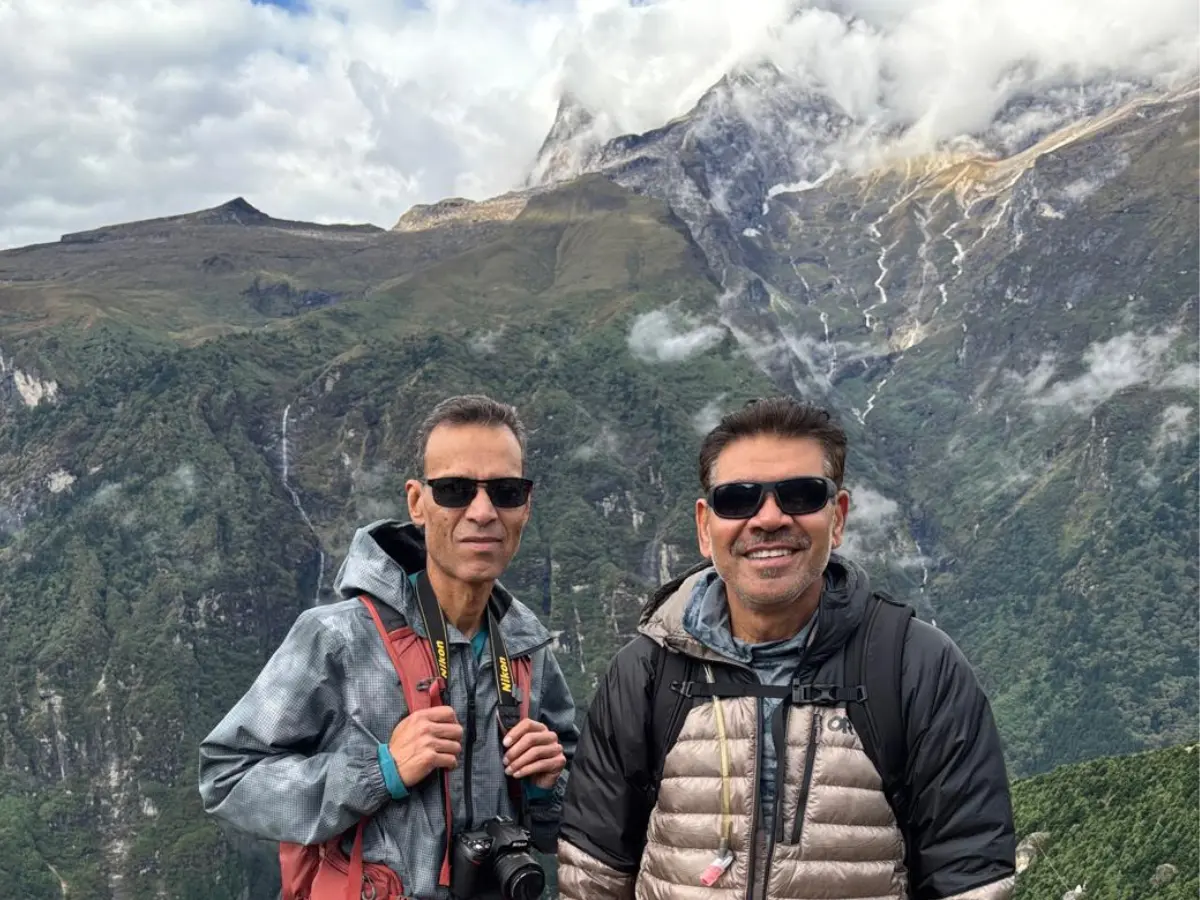
One of the most memorable parts of the Everest View Trek is the breathtaking panorama of the Himalayas. Throughout the journey, trekkers will be rewarded with stunning views of Mount Everest, along with iconic peaks like Ama Dablam, Lhotse, and Thamserku. These towering mountains create a dramatic landscape that makes every step of the trek visually rewarding. The adventure begins with a scenic and thrilling flight to Lukla Airport, often considered one of the most exciting airports in the world. The short flight offers incredible aerial views of hills, rivers, and snow-capped peaks, setting the tone for the trek ahead.

A key highlight of the journey is the opportunity to explore Sherpa culture in Namche Bazaar, the vibrant gateway to the Everest region. Here, trekkers can experience local traditions, visit markets, and interact with the Sherpa community, gaining insight into their unique lifestyle and hospitality. The trek also includes a visit to the peaceful Tengboche Monastery, the largest monastery in the region. Surrounded by mountains, it offers a calm and spiritual atmosphere, making it a special stop along the route.

As the trail passes through Sagarmatha National Park, trekkers can enjoy diverse landscapes filled with rhododendron forests, alpine vegetation, and occasional wildlife sightings. The natural beauty of the park adds depth to the overall trekking experience.

Another standout moment is visiting the famous Everest View Hotel, known for offering one of the best viewpoints of Mount Everest. It’s a perfect place to relax and take in the surrounding Himalayan scenery.

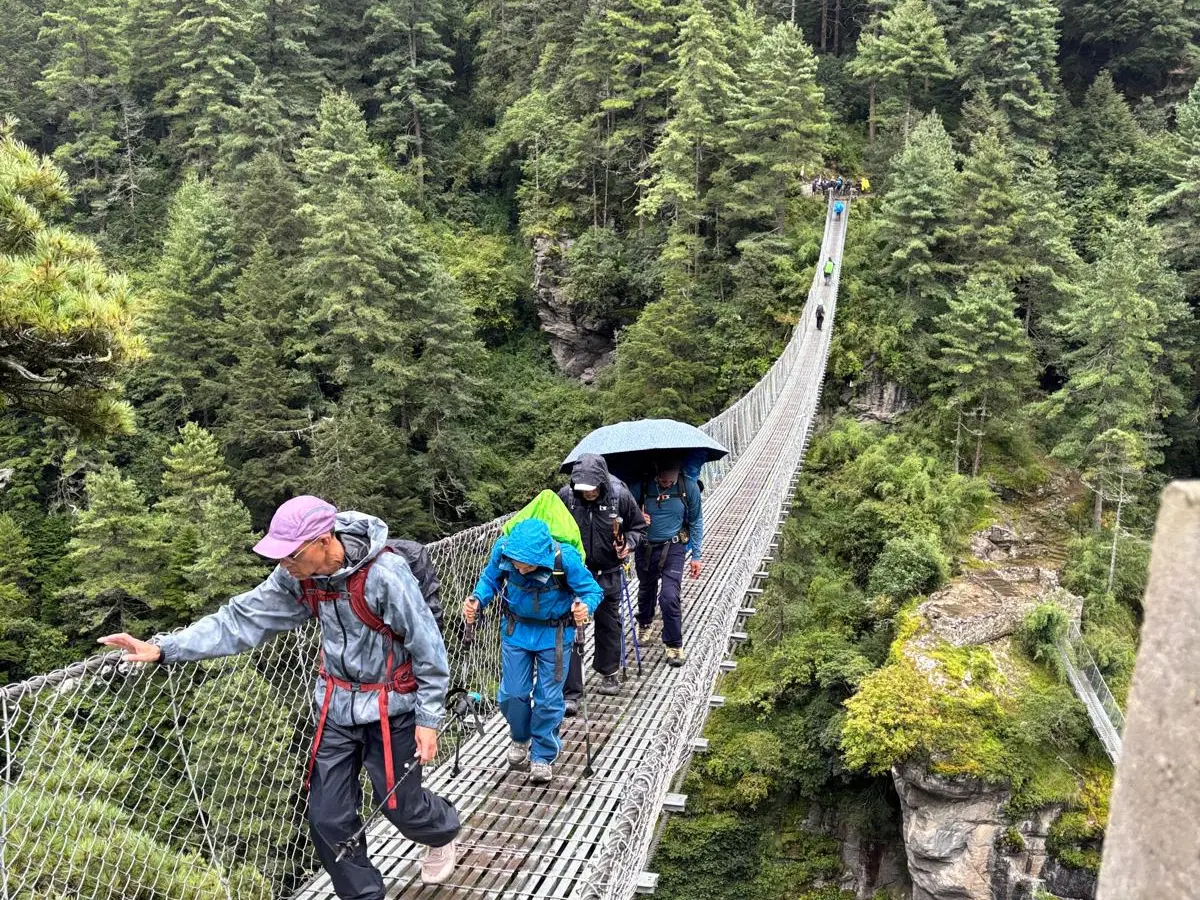
The journey itself is equally rewarding, with trails that wind through lush forests, cross flowing rivers, and pass over suspension bridges. These changing landscapes keep the trek engaging and scenic from start to finish.

Finally, the trek provides a chance to experience traditional mountain life in villages like Khumjung and Khunde. These quiet settlements offer a closer look at local culture, daily routines, and the peaceful lifestyle of the Himalayan region.

What to expect during the 8-day Everest View Trek?

The 8-day Everest View Trek is a rewarding experience that provides you with a real sense of the Everest area, but it is not too physically demanding. It is aimed at those travelers who want to explore the Himalayas at a comfortable pace, and it is a great option for beginner travelers and those with little experience in trekking. You will be walking about 4-6 hours every day. The pace is typically not intense, and you will be able to take breaks, appreciate the scenery, and not feel rushed along the trail.

As you gradually make your way higher into the mountains, your body gets time to adjust to the altitude. A key stop during the trek is Namche Bazaar, where you’ll spend time acclimatizing. This rest day is important, not just for your health, but also because Namche itself is a vibrant place to explore. You can walk around the town, visit local cafes, and get a glimpse into the lifestyle of the Sherpa community.

Accommodation throughout the trek is in teahouses, which are simple mountain lodges run by local families. While the facilities are basic, they are comfortable enough to rest and recharge after a day of walking. You can expect warm meals, friendly hospitality, and a cozy dining area where trekkers often gather in the evenings. It’s all part of the authentic trekking experience in Nepal.

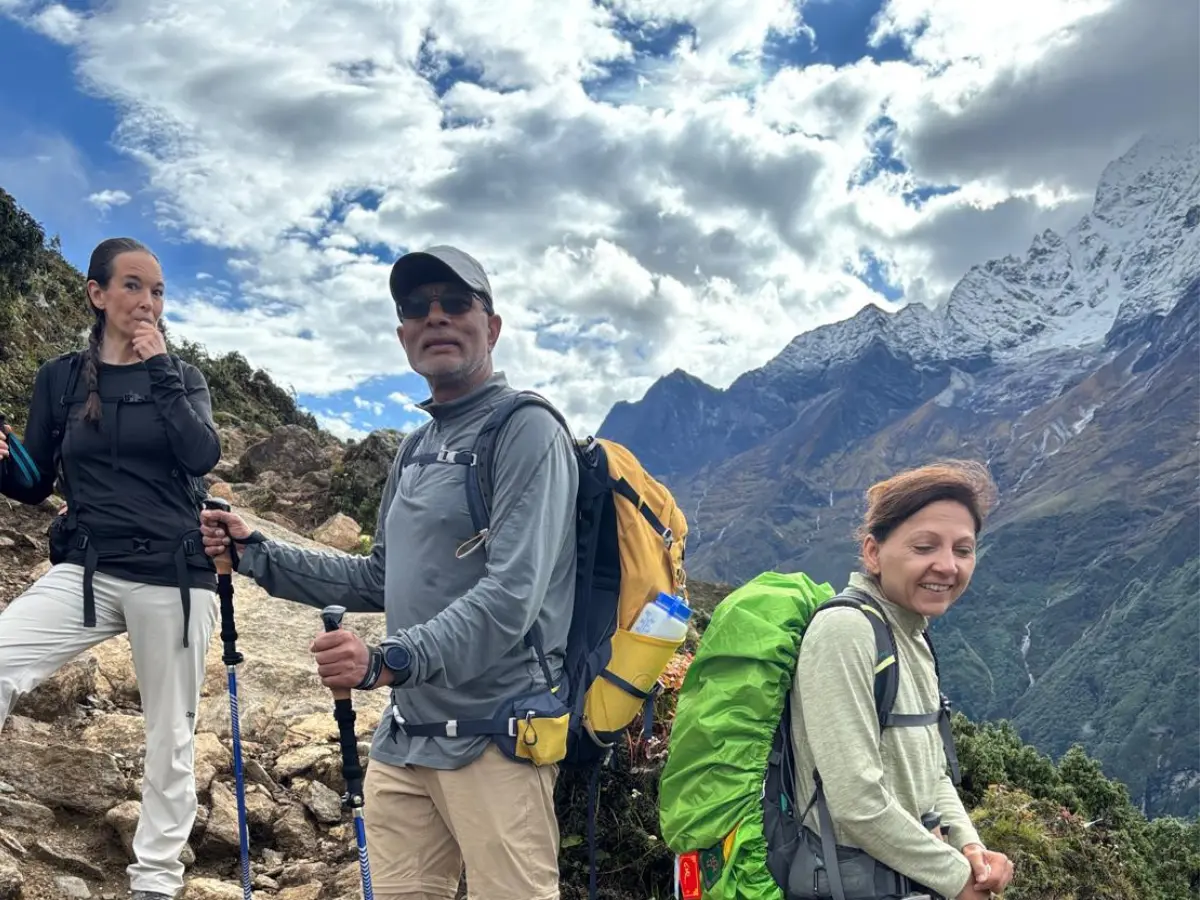
One of the best parts of this trek is the variety of landscapes you’ll pass through. The trail takes you through lush forests, across rivers, and over suspension bridges, all while gradually opening up to incredible mountain views. The scenery keeps changing, which makes each day feel fresh and exciting. Early mornings are especially special, as the skies are usually clear, offering stunning views of the snow-capped peaks.

Cultural experiences are also a big part of the journey. Along the way, you’ll meet local Sherpa people, observe their traditions, and see how they live in this high-altitude environment. These interactions add a meaningful layer to the trek, making it more than just a physical journey.

The flight to and from Lukla Airport is another highlight. It’s a short but thrilling experience with amazing aerial views of the mountains. However, it’s important to know that these flights depend heavily on weather conditions, so delays are quite common. Keeping some extra buffer time in your schedule is always a good idea.

The weather is something you’ll need to be prepared for during the trek. While daytime temperatures can be pleasant for walking, mornings and nights can get quite cold, especially as you gain altitude. Packing warm layers will make a big difference in your comfort.

Overall, the Everest View Trek offers a balanced mix of adventure, culture, and natural beauty. It’s not overly challenging, yet it gives you the chance to experience the magic of the Everest region in a relaxed and enjoyable way.

Why choose the Everest View Trek?

The 8-day Everest View Trek is a comfortable and enjoyable journey, especially if you’re looking for a taste of the Everest region without pushing your limits too much. Each day usually involves 4–6 hours of walking, giving you plenty of time to take breaks, enjoy the scenery, and move at your own pace. The trail isn’t overly difficult, so even if you’re a beginner, you can manage it with a bit of preparation and a positive mindset.

As you move higher, the altitude increases gradually, which helps your body adjust naturally. You’ll spend some time in Namche Bazaar, a lively mountain town, to acclimatize. This not only helps with altitude but also gives you a chance to explore local shops, cafes, and Sherpa culture.

Accommodation along the route is in teahouses like simple lodges that are basic but welcoming. After a day of trekking, you’ll have a warm meal, a place to rest, and often a cozy dining area to relax in. The landscapes keep changing as you walk, from green forests and gentle hills to open views of towering mountains, so the journey never feels boring.

You’ll also get to meet local Sherpa people along the way, which adds a personal and cultural touch to the experience. Mornings are often the best time for mountain views, with clear skies revealing stunning Himalayan scenes.

The flight to and from Lukla Airport is exciting, but it depends heavily on weather conditions; due to that, delays can happen. It’s a good idea to keep your plans flexible. Also, be prepared for chilly weather as early mornings and nights can get quite cold, but with the right clothing, it’s all part of the adventure.

Everest View Trek 8 Days, 2026 Itinerary

Day 1

Arrival in Kathmandu and transfer to the hotel

You’ll be welcomed at the airport by our members using a private vehicle to transfer to the hotel. On the 1st day, you’ll unpack your things, spend some time, and learn about the details of your trek while buying anything you’ll need on your journey.

Meals: Null
Accommodation: Hotel
Day 2

Rest/Acclimatization in Kathmandu

On your second day, you’ll spend it on acclimatization in Kathmandu. Our company management staff will briefly introduce the Everest View Trek plans. There’s a free afternoon/daytime for the guest to stroll around the city. All personal plans/expenses around the city should be covered by the guests themselves.

Meals: Breakfast & Dinner
Accommodation: Hotel
Day 3

Early morning flight from Ramechhap to Lukla Airport, followed by a trek to Phakding.

On day 2, you will leave at 1:00 AM and drive to Ramechhap Airport for about 5-6 hours to catch your flight to Lukla. After you land in Lukla, you will meet porters to carry out your luggage and start your trek to Phadking village. 

Meals: Breakfast, lunch & dinner
Duration: 35-minute flight & 3-hour trek
Accommodation: Tea House
Mode of transportation: Flight to Lukla
Day 4

Hike from Phakding to Namche Bazaar.

After breakfast in Phadking, the trek to Namche Bazaar will start, with a stop to see the Dudh Koshi River. You will follow the trail of the pine forest to Monjo village after crossing the Tenzing Hillary Bridge.

In the Monjo village, we will register for the Everest View Trek permits before entering the Sagarmatha National Park and reaching Namche with a majestic view of Mount Everest.

Max Altitude: 3440
Meals: Breakfast, lunch & dinner
Duration: 6-7 hours
Distance: 7.4km/ 4.6 miles
Accommodation: Tea House
Day 5

Acclimatization in Namche Bazaar: hike to the Hotel Everest View.

In this day we will hike towards the Hotel Everest View. For the historic moments of mountaineering and an overview of the Sherpa culture and traditions, you can visit the Sherpa Museum and the Everest photo gallery. There’s a hat bazaar on Saturdays that’ll let you explore the mountaineering equipment and clothes.

After enjoying the scenery around the Everest View, the trail will take us back to Namche Bazaar. Upon arrival, we’ll enjoy/sightsee around the Namche Bazaar and stay overnight there.

Max Altitude: 3800
Meals: Breakfast, lunch & dinner
Duration: 4-5 hours
Accommodation: Lodge
Day 6

Trek down from Namche Bazaar to Lukla.

On the final day of the trek, we'll be carrying all the memories from the Everest View Trek and heading downhill towards Lukla. In the presence of fluttering prayer flags and peaceful surroundings, the hike down to Lulka makes the memorable journey worth it.

Max Altitude: 2846
Meals: Breakfast, lunch & dinner
Duration: 8 hours
Distance: 13.6km/ 8.3 miles
Accommodation: Lodge
Day 7

Morning flight returning to Kathmandu from Lukla Airport and hotel transfer.

On this day, we’ll take an early flight from Lukla to Kathmandu, where we will give our final goodbyes to the mountains and the serene views. The journey will be wrapped up upon arriving at the Ramechhap airport before reaching Kathmandu in our private vehicle. 
There’ll be a farewell dinner, and an official trekking certificate from the company will be given to the trekkers. You can enjoy the rest of the day shopping, buying souvenirs, and checking out the historic places of Kathmandu.

Max Altitude: 1400
Meals: Breakfast
Duration: 35- minute flight
Accommodation: Hotel
Day 8

Final departure

The 8-day trekking journey ends today. Our team members will escort you on your way to the airport, making sure the trip is valuable with a lot of memories that you’ll take with you.

Meals: Breakfast
Still Confuse?
No worries — we’re here to help. Whether you have questions or just need a bit more clarity, feel free to reach out. Our team is ready to guide you every step of the way.

Cost Details

Includes

  • Private four-wheeler transport for airport pickups and drop-offs.  
  • A three-star hotel stay in Kathmandu with breakfast included.  
  • Two flights to and from Lukla.  
  • Accommodation in basic lodges on a twin-sharing basis during the trek.  
  • Daily breakfast, lunch, dinner, seasonal fruits, and a cup of tea or coffee while trekking.  
  • Permits for Sagarmatha National Park and the Khumbu Pasang Lhamu Municipality entry.  
  • A complimentary duffel bag, trekking pole, map, first-aid kit, pulse oximeter, and satellite phone provided by Suka Jalanjalan.
  • A licensed Nepali guide, along with a porter (one porter for every two trekkers).  
  • Coverage for accommodation, meals, allowance, and high-altitude insurance for both the guide and the porter.  
  • Certificate of achievement for completing the trip.  
  • All applicable government taxes and service fees are included.

Excludes

  • International flights to and from Kathmandu.  
  • Travel insurance (should include coverage for helicopter evacuation and medical expenses).  
  • Lunch and dinner in Kathmandu.  
  • Trekking attire and equipment.  
  • Purchases and keepsakes.  
  • Gratuities for the driver, guide, and porter. 

Essential Information

Permits required for Everest View Trek

A permit must be obtained to trek to Everest View in the Everest region, as it is a protected area. It is mandatory to get the Sagarmatha National Park permit and the Khumbu Pasang Lhamu Rural Municipality permit. 

Sagarmatha National Park permit fee: NRP 3000 per person

Khumbu Pasang Lhamu Rural Municipality Entrance permit fee: NRP 2000 per person

(Note: A Sagarmatha National Park permit can be acquired from the Nepal Tourism Board Office or at the park’s entry checkpoint in Monjo. Whereas the Khumbu Pasang Lhamu Rural Municipality entrance permit is obtained after arriving in Lukla or Monjo.

*It is against the law to trek without the required permit; doing so may result in fines or even a ban from entering the nation.

Sagarmatha National Park is a protected area, so some of the rules and regulations must be followed. They are:

Do not litter:

Bring your trash down to Lukla so it can be disposed of properly, and avoid littering on the trail. Use reusable water bottles during the trek, and avoid buying plastic water bottles.

Respect local culture and traditions. 

Honor the customs of the locals. Don't force your habits and perspective on others.

Before taking any photos of the locals, get their permission. Without the owners' consent, do not enter the lodges' kitchens.

Don’t Disturb Wildlife. 

Avoid feeding, destroying natural habitats, and disturbing the animals. 

Avoid Lighting Campfires.

Cook only in the designated cooking area and avoid lighting campfires to prevent deforestation.

The Ideal Time to Trek the Everest View Trek

The ideal times for trekking to the Everest View Trek are during the spring (March and May) and autumn (September to November). In these seasons, trekkers can enjoy the clear view of Mount Everest and other mountains, and it is safer than in other seasons to trek.

Spring Season (March/April/May/June): Ideal period for the Everest View Trek. 

During the spring season, the weather is gradually clear, calm, and comfortable. Due to its clear, moderate climate, most trekkers prefer it for climbing and trekking. Here are some of the pros of trekking in the spring season:

Advantages 

  • Forests full of red rhododendron, wildflowers, and a clear, majestic view of the mountains, such as Mt. Everest, Cho Oyu, and other top peaks.
  • Comfortable temperatures and longer daylight make the temperature mild in lower areas.
  • Spring warmly welcomes trekkers to enjoy the serene view of the mountains up close in a safe way.

Everest View Trek in the Autumn Season.

The autumn season is also the best season for trekking the Everest View Trek. October and November give you one of the best moments for trekking. The clear skies with a small touch of cool temperature make the journey worth starting. Here are some of the advantages of choosing the autumn season:

Advantages:

  • Warm enough weather during the day and chilly weather at night are perfect for refreshments.
  • Get to know about the biggest festivals of Nepal (i.e., Dashain and Tihar).
  • Gokyo Lakes, Three Passes, and peak climbing expeditions like Island Peak and Lobuche Peak are all excellent options.

Avoid the summer (monsoon) season.

The summer season is gradually closing in on the monsoon season; we avoid these seasons because of the sudden changes in the weather. It is potentially hazardous due to heavy rainfall and unpredictable weather conditions.

Things to know about the Everest View Trek 

Trekking to Everest View is one of the most remarkable activities in Nepal. It is an adventure in the magnificent Himalayan landscape, culture, and various natural environments. To make the trip the best adventure, one has to prepare well and be safe at high elevations and on challenging tracks.

Accommodation

The Everest View trek accommodation is mostly hosted in teahouses and lodges with very basic facilities like beds, blankets, and common bathrooms. At altitude, tea houses become easier and less complicated, especially in the Everest region. Lodges are often booked early in the high season of trekking (spring and autumn), and in other months, trekkers often end up with a room when they arrive.

 Meals

The Nepali food is mostly found on the trail and includes dal bhat (lentils and rice), momo, noodles, and soups. The higher the altitude, the fewer menu options are available, and the more expensive it is. Hot beverages, including tea, coffee, and cocoa, are usually served. Trekking enthusiasts usually have energy snacks to supplement their meals to enable them to have energy throughout their extended days of walking.

Transportation

This walk normally begins in Lukla, which can be reached by domestic flight from Ramechhap/Kathmandu. The walk is all on foot, but there are porters who can be employed to carry the luggage. The trail does not have much transportation, and thus all the hiking will need to be self-reliant.

Physical Fitness

The Everest View Trek is moderate in nature, and the daily hikes are between 5 and 7 hours through uneven, steep, and, in some cases, rocky paths. Trekkers should have good stamina, endurance, and leg strength. The usage of walking and carrying backpacks is time-consuming, thus requiring the individual to train in terms of fitness before they can perform such actions, or at least the individual who is not accustomed to high-altitude trekking.

Guide and Support Personnel.

A licensed guide is strongly recommended, particularly for first-time trekkers. Guides offer directions, local expertise, language help, and security. Porters may carry the heavy luggage, leaving the trekkers with the hike itself. It also has guides who guide in the permits, reservations of lodges, and monitoring of altitude acclimatization.

Weather and seasonal factors.

The weather in the Everest region is erratic. During the afternoons, it may be rainy, snowy, or foggy, particularly in the higher altitudes, but in the morning, it is typically clear. The temperatures vary greatly, with a warm lower valley to freezing conditions on the Everest View Trek. One must be dressed and guarded against cold, wet, or windy conditions.

Health and Safety

The trekkers can experience altitude sickness, dehydration, or slight injuries. Acclimatization, hydration, and a slow pace are secondary to safety. Symptoms such as headache, nausea, feeling dizzy, or tiredness help to prevent serious issues of altitude. As long as one is prepared appropriately and health is put into consideration, the trek will be safe and enjoyable.

Environmental and Cultural Consciousness.

Sherpas and other locals reside in the Everest region, and by visiting these people, the trekkers get to know the culture of these people, their traditional villages, and their hospitality. It is recommended to respect the local traditions, build sustainable tourism, and not have a strong impact on the environment in order to preserve the natural beauty of the area and cultural heritage.

Trail Navigation and Communication.

The trails are normally well marked, but in some areas, the trails are confusing or steep. Trekkingers are also supposed to know about maps, GPS, or trekking applications, and it is always safe to have a guide. The mobile network coverage is also poor in remote areas, and therefore, communication may be limited to certain areas of the trail.

Altitude Sickness During the Everest View Trek

Altitude sickness occurs when your body doesn’t have enough time to adjust to the thin atmosphere. It is preventable and curable, but can also turn life-threatening if neglected. Pausing your ascent and acclimatization can help you conquer altitude sickness. 

Altitude sickness is common among people who are ascending without proper acclimatization. So, it is significant to let your body adjust to the atmosphere. The only way to cure altitude sickness is by descending to a lower altitude. Most experts recommend descending until the symptoms get better. Which usually required a descent of 984 feet (300 meters) up to 3,281 feet (1000 meters). Supplemental oxygen and medications can also help prevent altitude sickness.

Details Regarding the Lukla Flight

It is crucial to know about the Lukla flight before trekking to the Everest View Trek. The weather conditions can delay or cancel the flight. Lukla Airport, also known as Tenzing Hillary Airport, is one of the shortest and most thrilling flights. To reach the Everest View Trek, we book a flight to Lukla from Kathmandu/Ramechhap airports. Here are certain points you need to know about the Lukla flight:

Peak Seasons for Lukla Flights – Spring (March–May) and Autumn (September–November)

Spring and autumn are considered the peak seasons to operate Lukla flights. During the peak time, the flights are directed to Ramechhap/Manthali from Kathmandu to manage the air traffic. It will take around 4-5 hours to reach Ramechhap from Kathmandu by vehicle.

Off-seasons

In the non-peak seasons, the flights are operated from Kathmandu directly to Lukla Airport. Sometimes the flights can be delayed/cancelled due to unpredictable weather conditions. To prevent this issue, it is suggested to check weather conditions before booking a flight. 

Is the Everest View Trek safe?

Yes, the Everest View Trek is generally considered safe, especially compared to longer and higher-altitude treks in the Everest region. However, like any mountain trek, it still requires proper preparation and awareness.

Safety of Everest View Trek

Lower altitude risk

The trek typically reaches around 3,800 m (Everest View Hotel area), which is lower than the Everest View Trek. This significantly reduces the chances of altitude sickness, though mild symptoms can still occur

Well-established trail

The route through Namche Bazaar and nearby villages is highly developed, with clear paths, signboards, and regular trekkers.

Good availability of lodges and food

There are plenty of teahouses along the trail offering safe accommodation, meals, and basic medical help if needed.

Access to emergency services

In case of serious issues, helicopter evacuation is available from areas like Lukla Airport and the surrounding regions.

Safe for beginners

It is one of the best options for first-time trekkers, families, and even older travelers with average fitness.

Things to be careful about during Everest View Trek

Altitude sickness (AMS)
Even at moderate altitudes, you should acclimatize properly in places like Namche Bazaar, drink water, and avoid rushing.

Weather conditions
Flights to Lukla can be delayed or canceled due to weather. Always keep buffer days.

Physical fitness
The trek is not technical, but you still need decent stamina for walking 4–6 hours daily.

Travel insurance
It’s strongly recommended to have insurance that covers high-altitude trekking and emergency evacuation.

Guide or porter (recommended)
While it is not mandatory, hiring a guide adds safety, navigation help, and local support.

Everest View Trek packing list

You can get some idea of what to pack for the trek by looking at the information below. Your comfort and safety during the trek will depend on whether you pack the necessary gear, equipment, and clothes, as well as other essential things such as a first aid kit and medications. It's equally crucial that you avoid overburdening yourself with extra gear while hiking.

General

  • All-season sleeping bag and down jacket (if necessary, but must be returned after the hike)
  • Duffle bag (provided by our company; it must be returned after the trek)
  • A thin-layered jacket that is waterproof and windproof (essential for mornings and evenings above 3,000 metres)

Upper Body: Head, Ears, and Eyewear

  • A pair of suitable gloves
  • A warmer hat that covers the ears
  • Sunglasses 
  • Neck warmer
  • Sunscreen (35 to 60 SPF)
  • Beanies and scarves 
  • Headlamp and an extra set of batteries

Hands

  • A pair of half-gloves for walking poles (if you prefer)
  • Warmer shell gloves and liner

Upper Body

  • Thermal tops
  • wool jacket or pullover
  • Fleece Jacket
  • Water and windproof shell jacket 

Lower Body

  • Thermal undergarments, particularly trousers
  • Waterproof and windproof trousers
  • warmer trousers.
  • Trekking trousers that are comfortable
  • Extra-casual athletic trousers

Footwear

  • A pair of good waterproof trekking boots
  • Pair of sandals
  • 4-5 pairs of woolen socks
  • Sock liners
  • Light shoes and sneakers

First Aid Kits and Medicines

  • Assorted adhesive bandages (fabric preferred)
  • Blister treatment cream or similar
  • Insect / anti-itch ointment
  • Ibuprofen or other pain-relief medication
  • Diamox (125mg to 250mg tablets for altitude sickness)

Miscellaneous—but useful on the trek

  • SPF
  • Lip balm
  • Moisturizer
  • Toilet paper, toothpaste, toothbrush, comb, wet wipes, soap, etc.
  • Hand sanitizer
  • Pocket mirror
  • Travel knife
  • Personal first-aid kit
  • Camera (memory card, chargers, and extra batteries)

Additional things

  • 4 passport-size photos with original passport
  • Water bottle & filter
  • Quality energy-dry foods (up to you)
  • Power bank and music players 
  • Flight details (please make a copy and leave one picture at our office in KTM in case you want to change your flight date)
  • Bathroom kit (conforming, should include toilet paper, plastic bags, hand wipes, towels, soap, etc.)

FAQs

Why Trek to Everest View?

Trekking to Everest View offers a unique chance to see the world's highest mountain, Mount Everest, and other mountains closely. You can experience a memorable lifetime adventure and encounter the rich culture and traditions of the Sherpa people.

What is the ideal season for trekking?

March to May in spring and September to December in autumn are considered ideal seasons for trekking. Generally, the monsoon season must be avoided for trekking, as it becomes unpredictable sometimes.To enjoy the clear view of the mountains, it is best if you trek in the spring or the autumn.

Does the package cover all the costs included during the trip?

Yes, the majority of the necessary expenses for the Everest View Trek are covered by the package. Airport transfers, a three-star hotel stay in Kathmandu with breakfast, round-trip flights to Lukla, lodging for the trek, and all daily meals (breakfast, lunch, and dinner with tea/coffee and fruits) are all included. It also includes government taxes, a licensed guide and porter, trekking equipment support, and permits for Sagarmatha National Park.

However, personal costs like additional snacks, hot showers, Wi-Fi, battery charging, travel insurance, gratuities, and personal equipment are typically excluded.

Can any age group do the Everest View Trek?

As long as they are prepared and in good physical condition, people of all ages can walk to the Everest View Trek. In order to avoid acute mountain sickness, proper acclimatization is crucial. 

Is the Everest View Trek risky?

The general trail to the Everest View Trek is safe and sound, but trekking in the off-season or unstable weather can be risky.

Will 8 days be enough for trekking to the Everest View Trek?

Yes, 8 days will be enough to trek and explore the Everest View Trek.

Is it necessary to book a porter/guide?

It is not necessary to book a porter/guide. However, an experienced team of guides/porters is required for reallocation and arrangements when things get difficult.

What type of accommodations and foods can we expect on the Everest View Trek?

A tea house is available for accommodations, which provides food, shelter, showers, and internet. The food includes Nepali, Tibetan, Indian, and many other similar Western dishes, along with local beverages. 

What equipment is required to trek in the mountains?

Warm clothing (insulated jacket, thermal layers, gloves, and hat), sturdy trekking boots, a backpack, trekking poles, sunglasses, a water bottle, and a personal first-aid kit are all necessary for trekking the Everest View Trek. A power bank, camera, and headlamp are optional extras.

Are there any weight limits for the Everest View Trek?

Practically yes, it is recommended for travelers to carry a weight of up to 8 to 10 kg. In this way, it will be easy for the porters as well as individuals to have a well-maintained journey.

Is travel insurance necessary?

Travelers who choose to travel with us must have travel insurance. It is advised to have insurance that covers the helicopter evacuation.

What happens if I get sick or injured during trekking?

Our team of guides and porters has experience in providing necessary first aid kits. One can descend the down-trails immediately in case of altitude sickness and fatigue. If an emergency occurs, it may require a helicopter evacuation.

Where can I get the SIM card and exchange money in Nepal?

Travelers can purchase SIM cards at the airport and in nearby stores. There are several banks and money exchange businesses in Nepal where you can exchange money.

What can I do with my gears after finishing the trek?

After finishing the trek, you can keep your personal gear. There are many shops available for selling, donations, and exchanges.

Is cash necessary on the Everest View Trek? If not, how can we pay for the goods?

In order to pay for personal expenses like charging, hot showers, WiFi, and additional food and drinks, cash is required at Everest View Trek.

Is the internet available on the Everest View Trek?

There are restrictions on the Internet. While Wi-Fi is slow, costly, or nonexistent at higher camps, it is available in some teahouses in villages like Namche Bazaar.

Customize
Download