Lhasa Everest Base Camp and Kailash Pilgrimage Tour 15 Days, 14 Nights

Duration
15 Days
Trip Grade
Moderate
Maximum Altitude
5,630
Starts
Lhasa, Tibet
Ends
Lhasa, Tibet
Group Size
2-15
Activities
Sightseeing, Tibetan cultural tours, Everest Base Camp visit, Mount Kailash Parikrama
Best Time
April–June and September–October
Country
Tibet

Highlights

  • Explore the spiritual and cultural wonders of Lhasa, the heart of Tibetan Buddhism.
  • Visit famous monasteries and landmarks, including Potala Palace and Jokhang Temple.
  • Enjoy a scenic overland journey across the stunning Tibetan Plateau with breathtaking Himalayan landscapes.
  • Witness spectacular views of Mount Everest from the Tibetan side at Everest Base Camp.
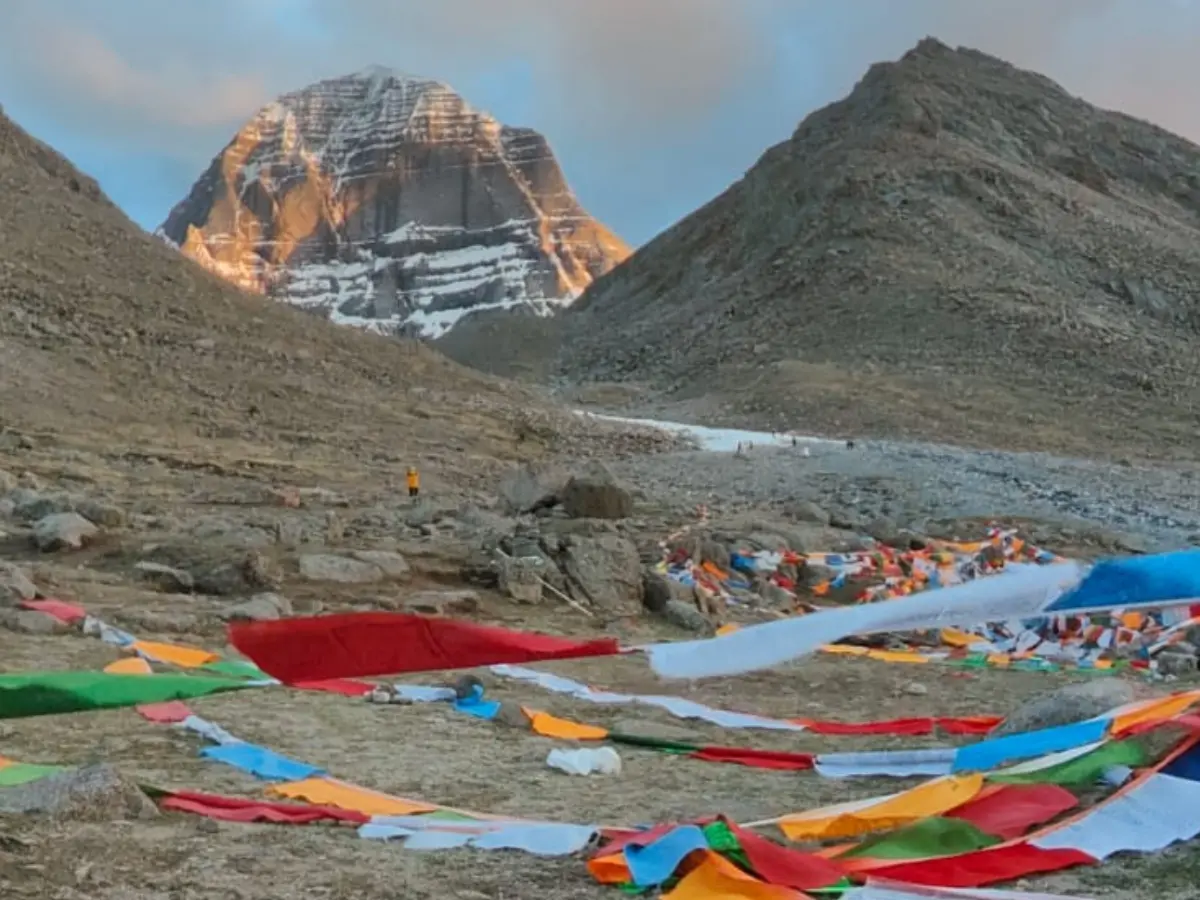
  • Experience the sacred pilgrimage around Mount Kailash, one of the holiest mountains for Hindus, Buddhists, Jains, and Bon followers.
  • Visit the holy Lake Manasarovar, known for its spiritual significance and natural beauty.
  • Explore traditional Tibetan culture, monasteries, prayer flags, and unique Himalayan lifestyles throughout the journey.
  • Perfect spiritual and adventure tour combining culture, pilgrimage, nature, and Himalayan exploration.

Overview

The 15-day pilgrimage to Lhasa, Everest Base Camp, and Kailash is more than just a hike through the Himalayas; it's a spiritual and cultural experience that immerses you in the area's amazing history and stunning scenery. It is a tour for pilgrims and adventure seekers to some of Tibet's most iconic places, such as Lhasa, Everest Base Camp (North Face), Lake Manasarovar, and the sacred Mount Kailash.

You'll start in Lhasa, the spiritual heart of Tibet, home to some of its most famous attractions, including the Potala Palace, the Jokhang Temple, Barkhor Street, the Sera Monastery, and the Drepung Monastery. From there, you cross the wide Tibetan Plateau to reach Everest Base Camp, where you will experience fantastic views of the world's highest mountain and its surrounding peaks, making it an unforgettable experience.

The highlight of the pilgrimage is reaching Mount Kailash, which is one of the holiest mountains for the Hindus, Buddhists, Jains, and Bon followers, and then visiting the sacred Lake Manasarovar. The pilgrims circumambulate the revered Mount Kailash Kora, a spiritual journey that is thought to provide purification, blessings, and inner peace as they traverse through breathtaking high-altitude scenery and ancient Tibetan villages.

This 15-day Tibet tour package is a perfect combination of culture, spirituality, and adventure and is among the most popular trips in Tibet. The tour goes above 5000 m, so it is essential to plan the tour carefully to allow for safe acclimatisation and an unforgettable experience in the heart of Tibet.

Why choose the Lhasa Kailash Pilgrimage Tour?

The Kailash Pilgrimage tour is one of the most comprehensive Tibet itineraries, covering Lhasa, Everest, and Mount Kailash. This tour offers the opportunity to experience the sacred pilgrimage sites of multiple religions. The Lhasa-Kailash Pilgrimage tour starts with the Kathmandu spiritual excursion to the cultural heritage sites like Pashupatinath Temple, Narayanthan (Budhanilkantha), Boudhanath Stupa, and Swoyambhunath Stupa. 

The Lhasa, Everest Base Camp, and Kailash Pilgrimage Expedition offers a rare combination of spirituality, culture, and Himalayan adventure. It is a well-organized route with proper acclimatization and guided support, including iconic highlights such as the Potala Palace, Everest Base Camp, and Kailash Kora. A scenic journey across lakes, mountains, and high-altitude deserts is a life-changing spiritual experience for pilgrims and travelers. So, travelers can have a deep cultural immersion in Tibetan Buddhist traditions and lifestyle.

Lhasa & Everest Base Camp Attractions

The Lhasa, Everest Base Camp, and Kailash Pilgrimage Tour 15-day package features monasteries, cultural sites, the Tibetan Plateau journey, the Everest Base Camp experience, scenic Himalayan views, and photography. More details about the Lhasa and Everest Base Camp attractions are mentioned below:

Major Sightseeing in Lhasa

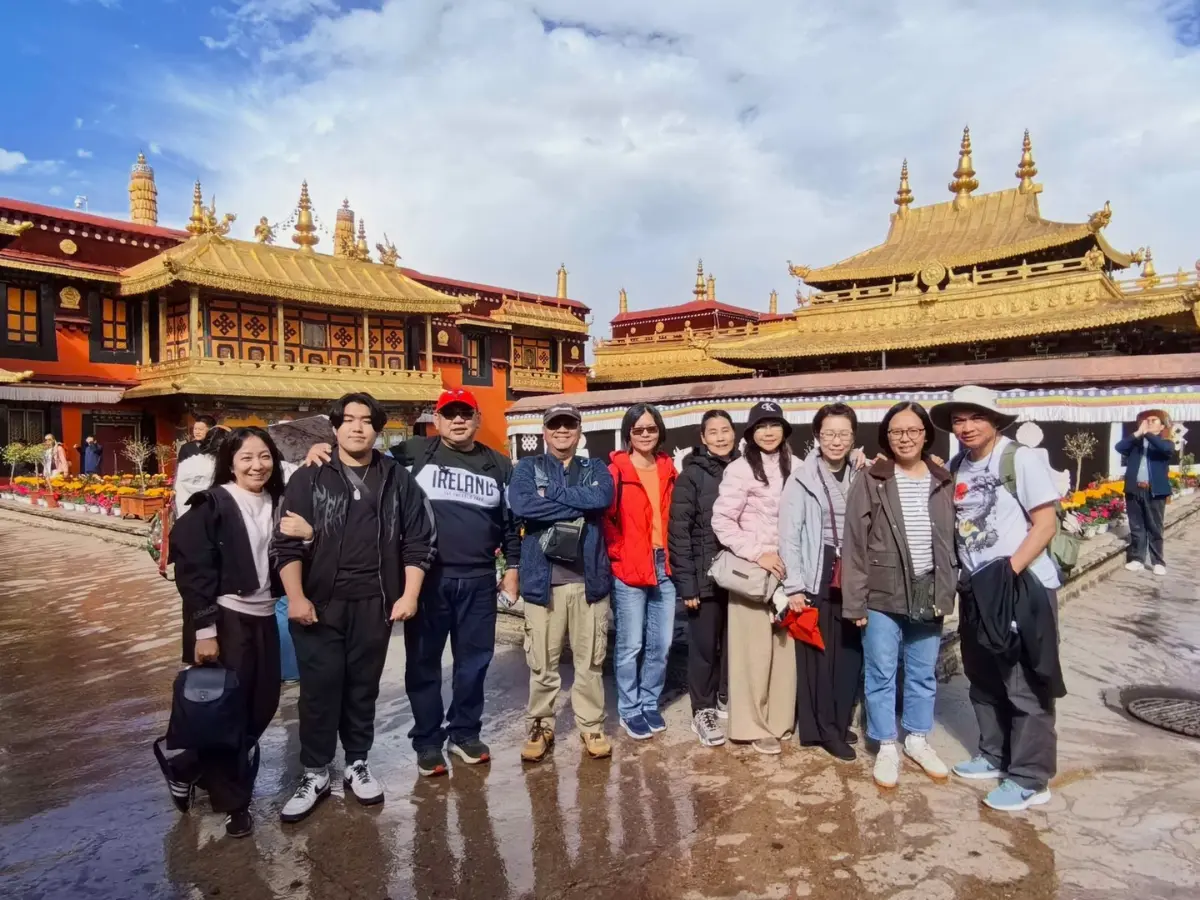
One of the major tourist attractions is the Potala Palace, which symbolizes the iconic landmark of Tibet. Jokhang Temple, located in Barkhor Square, is believed to be the most sacred Buddhist site in Tibet. Built in c. 640, the Jokhang Temple is one of the important sites in the presence of Jowo Rinpoche. Buddhists also believe that this statue was blessed by Lord Buddha Himself. This trip anticipates the traditional Tibetan architecture and lifestyle.

Monasteries and Cultural Sites

Discover Tibet's deep spiritual tradition and visit one of Tibet's most prestigious Buddhist monasteries, Sera Monastery, home to numerous renowned scholars, masters of the dharma, and saints. Experience the captivating discussion of the monks, a tradition that has been taking place for centuries, which demonstrates the philosophy and learning of Tibetan Buddhism. Next, head to the Drepung Monastery, one of Tibet's most ancient and historic monasteries, which showcases old architecture, religious buildings, and artifacts of its rich Buddhist past. During these visits, visitors have the opportunity to immerse themselves in the authentic Tibetan Buddhist culture and rituals while enjoying the peaceful and spiritual environment surrounding these sacred sites.

Scenic Tibetan Plateau Journey

Cross the breathtaking Tibetan Plateau, one of the world's highest and most picturesque high plateaus, through dramatic mountain passes, snow-capped peaks of the Himalayas, and the wide-open valleys. Stroll along the way and enjoy the beautiful turquoise lake waters of Yamdrok Lake, the holiest and most popular photography spot in Tibet. Stopping in the historic towns of Gyantse and Shigatse allows visitors to immerse themselves in traditional Tibetan culture, view ancient monasteries, and enjoy stunning Himalayan scenery.

Everest Base Camp Experience

Enjoy the adventure of reaching Everest Base Camp (North Face) with close-up views of the world's highest peak, Mount Everest. Tour the historical Rongbuk Monastery, the world's highest monastery, which is just below Everest, with its breathtaking mountain views. The sunrise and sunset views over the Himalayas are breathtaking, which adds to the memory, and the high altitude makes for an unforgettable adventure in one of the most incredible places on Earth.   

Himalayan Views and Photography

Along the way, the photographer can observe endless scenic shots of the Himalayan mountain ranges, the Tibetan Plateau landscape, and stunning, serene valleys all the way to the end of the trip. The tour covers all the amazing landscapes of Tibet, from the turquoise beauty of the Yamdrok Lake to the cultural places of Gyantse and Shigatse, and the awe-inspiring scenes around the Everest Base Camp; every stop is a special Tibetan landscape and scene for the best photography and sightseeing in Tibet.

Spiritual Significance of Kailash & Manasarovar

Religious Importance of Mount Kailash

For the Hindus, the Buddhists, the Jains, and the Bon, Mount Kailash is one of the most sacred mountains in the world and is of immense religious importance. It is considered the center of the universe in many ancient spiritual beliefs. Mount Kailash is considered to be the residence of Lord Shiva in Hinduism, who is always meditating with Goddess Parvati. The mountain symbolizes purity, enlightenment, and the highest path to spiritual liberation for millions of devotees.

Sacred Lake Manasarovar Beliefs

Lake Manasarovar is one of the highest and holiest freshwater lakes in the world at the foot of Mount Kailash. In Hindu and Buddhist traditions, its holy waters are believed to wash away sins and negativity from their karma and grant spiritual benefits to pilgrims. Devotees come along the shores of the lake and conduct the rites of bathing, prayer, meditation, and religious offerings, which are thought to be a source of divine energy and inner peace.

Multi-Religion Significance

It is believed that the Kailash and Manasarovar pilgrimage is cherished by people of various religions. Hindus make the pilgrimage to pay their homage to Mount Kailash, which is revered as the residence of Lord Shiva; Buddhists also venerate Mount Kailash as the home of Demchok (Chakrasamvara); to the Jains, it is where the first Tirthankara, Rishabhdev, attained nirvana; and it is revered as the most sacred spiritual location by followers of the religion of Bon. Pilgrims trek the iconic Mount Kailash Kora (circumambulation), chanting prayers, placing prayer flags, offering prayers, and practicing centuries-old spiritual rituals, which are thought to bring blessings, purification, and good fortune.

Spiritual Energy of the Region

According to legend, the Mt. Kailash and Lake Manasarovar surrounding area emits strong spiritual vibrations, which draw pilgrims, meditators, and seekers from all over the world. The serene atmosphere and natural surroundings of the Himalayas, combined with its remote location, offer the perfect environment for meditation, self-reflection, and inner transformation. During their journey through this sacred land of the Himalayas, many pilgrims report feeling a sense of peace, spiritual awakening, and a deep connection with the divine.

Lhasa Everest Base Camp and Kailash Pilgrimage Tour 15 Days, 14 Nights Itinerary

Day 1

Arrival in Lhasa (3,650 m)

Max Altitude: 3650
Meals: Null
Accommodation: Hotel
Day 2

Lhasa Sightseeing Tour

After breakfast, begin exploring Lhasa's cultural treasures. Visit the magnificent Potala Palace, the former winter residence of the Dalai Lamas, followed by the sacred Jokhang Temple, Tibet's most important religious site. Stroll through the bustling Barkhor Street, where pilgrims, local markets, and traditional Tibetan culture create a vibrant atmosphere.

Max Altitude: 3650
Meals: Breakfast, Lunch & Dinner
Accommodation: Hotel
Day 3

Lhasa Monastery Tour

Today's sightseeing introduces you to Tibet's famous monasteries. Visit Drepung Monastery, once the largest monastery in Tibet, before heading to Sera Monastery to witness the famous monk debate sessions. Experience authentic Tibetan Buddhist traditions, colorful prayer halls, and peaceful monastic surroundings.

Max Altitude: 3650
Meals: Breakfast, Lunch & Dinner
Accommodation: Hotel
Day 4

Lhasa – Gyantse – Shigatse

Drive across the spectacular Tibetan Plateau via Gampa La Pass, enjoying breathtaking views of the turquoise Yamdrok Lake. Continue past Karo La Glacier before arriving in the historic town of Gyantse, where you visit the famous Pelkor Chode Monastery and Kumbum Stupa. Later, continue to Shigatse, Tibet's second-largest city.

Max Altitude: 3800
Meals: Breakfast, Lunch & Dinner
Accommodation: Hotel
Day 5

Shigatse – Everest Base Camp

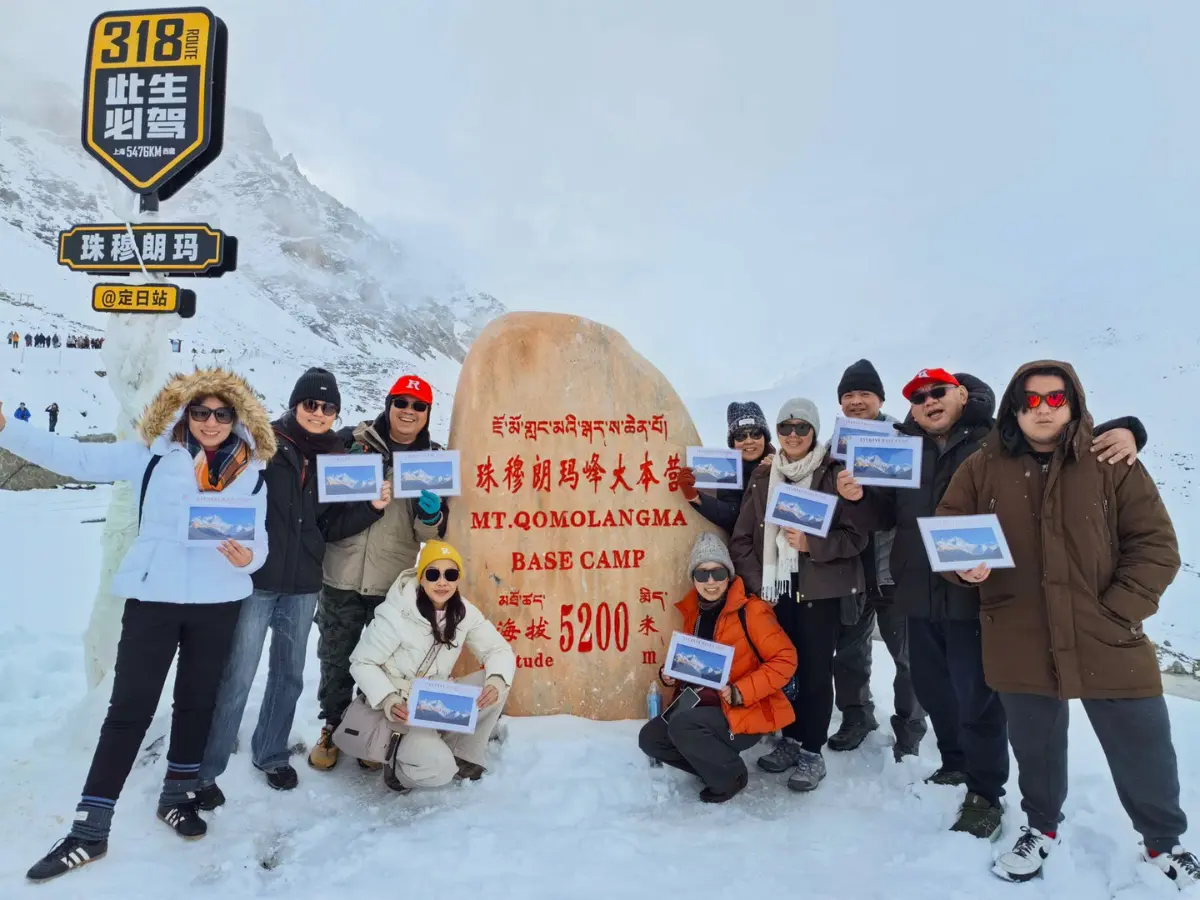
Travel west through beautiful Himalayan landscapes toward Everest Base Camp (North Face). En route, cross several high mountain passes with panoramic Himalayan views before visiting Rongbuk Monastery, the highest monastery in the world. Arrive at Everest Base Camp to admire spectacular close-up views of Mount Everest and enjoy an unforgettable sunset if weather permits.

Max Altitude: 5200
Meals: Breakfast, Lunch & Dinner
Accommodation: Guesthouse
Day 6

Everest Base Camp – Pelku Tso Lake – Saga

Wake up early for a breathtaking sunrise over Mount Everest before departing for Saga. The journey passes the beautiful Pelku Tso Lake, surrounded by snow-capped peaks and vast Tibetan grasslands. Enjoy one of the most scenic drives across western Tibet with incredible mountain and plateau landscapes.

Max Altitude: 4640
Meals: Breakfast, Lunch & Dinner
Accommodation: Hotel
Day 7

Saga – Darchen

Today's drive takes you toward Darchen, the starting point of the sacred Mount Kailash Kora. Along the way, enjoy magnificent views of the Tibetan Plateau, remote villages, and sacred mountain ranges. Upon arrival, prepare for the upcoming pilgrimage and trekking adventure around Mount Kailash.

Max Altitude: 4575
Meals: Breakfast, Lunch & Dinner
Accommodation: Hotel
Day 8

Darchen to Dirapuk Trek

Begin the sacred Mount Kailash Kora by trekking from Darchen to Dirapuk Monastery. Walk through the beautiful Lha Chu Valley while surrounded by dramatic Himalayan scenery. As you approach Dirapuk, enjoy breathtaking views of the magnificent north face of Mount Kailash, considered one of the most sacred mountains in the world.

Max Altitude: 4900
Meals: Breakfast, Lunch & Dinner
Accommodation: Guesthouse
Day 9

Dirapuk to Zutulpuk Trek

Today is the most challenging and rewarding day of the Kailash Kora. Cross the sacred Dolma La Pass (5,630 m) before descending past Gauri Kund, a holy lake revered in Hindu tradition. Continue through dramatic valleys before reaching Zutulpuk Monastery, known for its meditation caves and spiritual significance.

Max Altitude: 5630
Meals: Breakfast, Lunch & Dinner
Accommodation: Guesthouse
Day 10

Zutulpuk to Darchen Trek & Lake Manasarovar

Complete the final section of the Mount Kailash Kora before returning to Darchen. Later, visit the sacred Lake Manasarovar, one of the world's highest freshwater lakes. Pilgrims spend time offering prayers, performing rituals, or simply enjoying the peaceful atmosphere beside this holy lake.

Max Altitude: 4575
Meals: Breakfast, Lunch & Dinner
Accommodation: Breakfast, Lunch & Dinner
Day 11

Darchen – Saga

Leave the sacred Kailash region and begin the return journey to Saga. Enjoy another scenic drive across western Tibet, passing rivers, mountain ranges, and traditional Tibetan settlements while reflecting on your unforgettable pilgrimage experience.

Max Altitude: 4640
Meals: Breakfast, Lunch & Dinner
Accommodation: Hotel
Day 12

Saga – Gyirong

Continue driving toward Gyirong, a beautiful Himalayan valley known for its forests, waterfalls, and pleasant climate. The route offers stunning mountain scenery and showcases the changing landscapes as you descend toward lower elevations.

Max Altitude: 2800
Meals: Breakfast, Lunch & Dinner
Accommodation: Hotel
Day 13

Gyirong – Tingri

Drive from Gyirong to Tingri, enjoying panoramic views of the Himalayan range, including several peaks over 8,000 meters on clear days. The journey passes picturesque valleys, traditional villages, and open grasslands, making it another memorable day of scenic travel.

Max Altitude: 4300
Meals: Breakfast, Lunch & Dinner
Accommodation: Hotel
Day 14

Tingri – Lhasa

Begin the long but spectacular drive back to Lhasa, retracing the scenic Tibetan Plateau. Along the way, enjoy final views of the Himalayas, beautiful lakes, mountain passes, and traditional Tibetan landscapes before arriving in Lhasa for your last evening in Tibet.

Max Altitude: 3650
Meals: Breakfast
Accommodation: Hotel in Lhasa
Day 15

Departure from Lhasa

After breakfast, your unforgettable Lhasa, Everest Base Camp & Kailash Pilgrimage comes to an end. Depending on your departure schedule, your guide will transfer you to Lhasa Gonggar International Airport or Lhasa Railway Station for your onward flight or train. Leave Tibet with lifelong memories of its sacred monasteries, breathtaking Himalayan scenery, and the spiritual journey to Mount Kailash and Lake Manasarovar.

Max Altitude: 3650
Meals: Breakfast
Still Confuse?
No worries — we’re here to help. Whether you have questions or just need a bit more clarity, feel free to reach out. Our team is ready to guide you every step of the way.

Cost Details

Includes

  • Tibet Travel Permit and all necessary Tibet travel documentation.
  • Airport pickup in Lhasa and drop-off at the tour's end.
  • Private tourist vehicle with an experienced Tibetan driver throughout the tour.
  • English-speaking Tibetan guide during the entire journey.
  • Accommodation in hotels and guesthouses on a twin-sharing basis.
  • Daily breakfast as per the itinerary.
  • Entrance fees to all sightseeing attractions and monasteries mentioned in the itinerary.
  • Everest Base Camp conservation and environmental protection fees.
  • Kailash and Lake Manasarovar entry permits.
  • Yak or porter service during the Mount Kailash Kora (as specified in the package, if included).
  • Oxygen cylinder available in the vehicle for emergencies.
  • All government taxes and service charges.

Excludes

  • International and domestic flights to and from Lhasa.
  • Chinese Visa and Tibet Visa processing fees (if applicable).
  • Travel insurance, including emergency evacuation and medical coverage.
  • Lunches, dinners, snacks, and personal beverages.
  • Personal expenses such as laundry, telephone calls, Wi-Fi, and shopping.
  • Tips for the guide, driver, and support staff.
  • Additional accommodation due to flight delays, weather conditions, or unforeseen circumstances.
  • Personal riding horse and horse handler during the Mount Kailash Kora (unless pre-booked).
  • Extra sightseeing or activities not mentioned in the itinerary.
  • Any expenses arising from natural disasters, political disturbances, road closures, or other circumstances beyond the operator's control.

Essential Information

Best season for Lhasa Everest Base Camp, and Kailash Pilgrimage Tour

The ideal period to take the Lhasa Everest Base Camp & Kailash Pilgrimage Tour is from April to October, when the climate is favorable and the mountain views and road conditions are clear. In the months between these dates, visitors can visit the monasteries in Lhasa with ease, see amazing sights of the Himalayas from Everest Base Camp, and take the Kora around sacred Mount Kailash without too many difficulties in the weather.

Spring (April-May) is one of the most popular seasons, with mild temperatures, floral blossoms, and clear skies of Mount Everest and the Tibetan Plateau. Before the high travel season, it's a great time for sightseeing, photography, and spiritual travel.

The warm summer months (June-August) cover Tibet with a green landscape. Despite the occasional rain in the lower areas, the Tibetan Plateau is very dry, perfect for visiting Lake Manasarovar, Mount Kailash, and Everest Base Camp. This is also the busiest pilgrimage season with pilgrims from around the globe.

September through October is believed to be the best of the whole year to tour. The Mount Kailash Kora is available with stunning views of the Himalayan landscape, pleasant weather, and excellent visibility. The weather and conditions are very cold, snowy, and bad from November to March, and travelling and trekking are more difficult except in Lhasa, which is accessible throughout the year.

Customize
Download