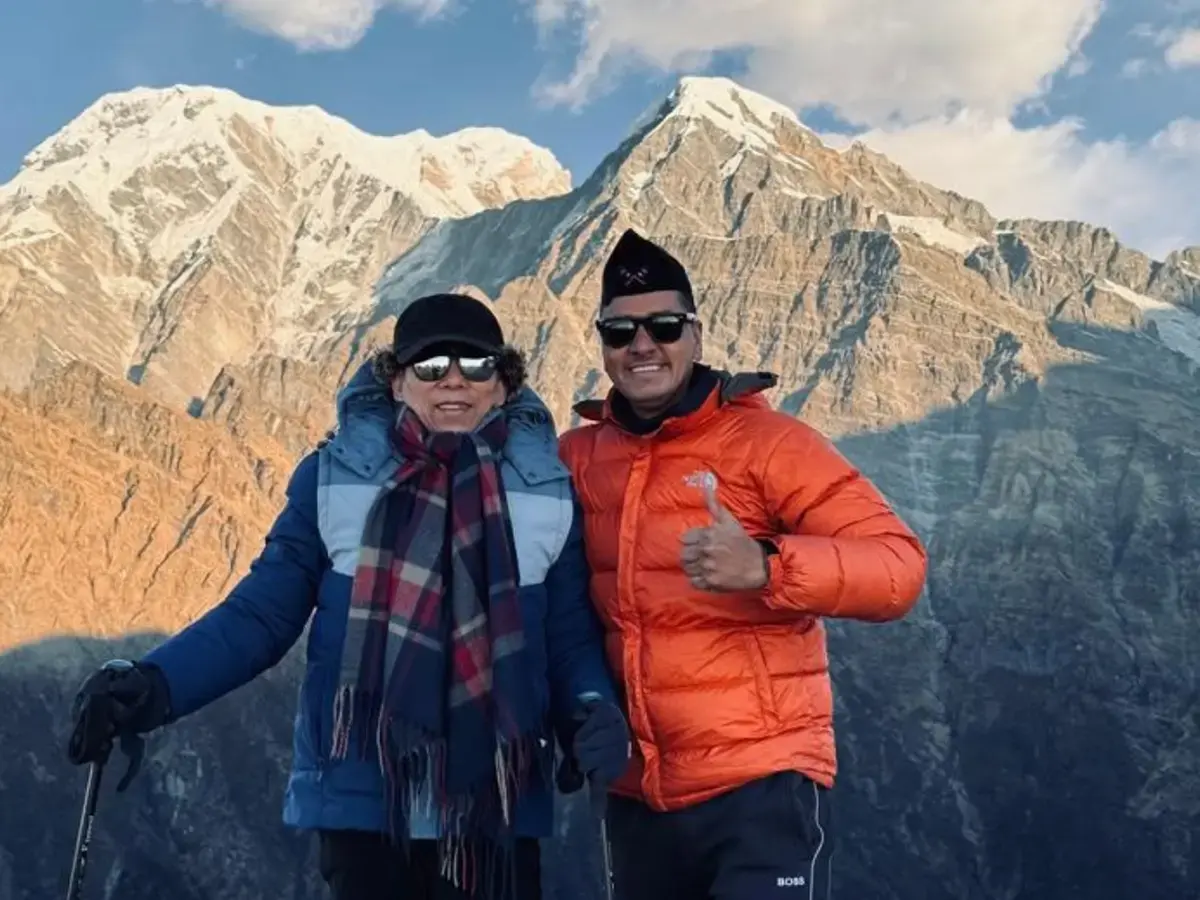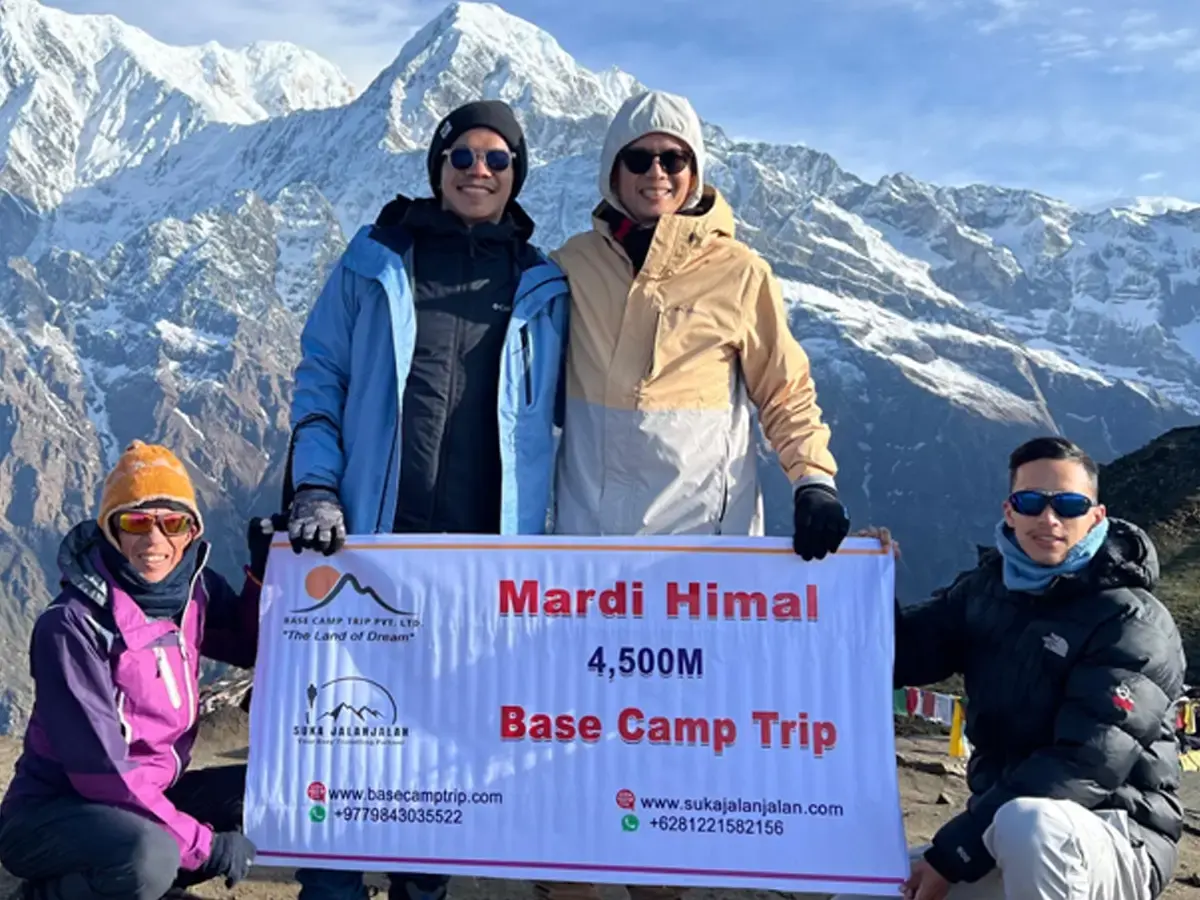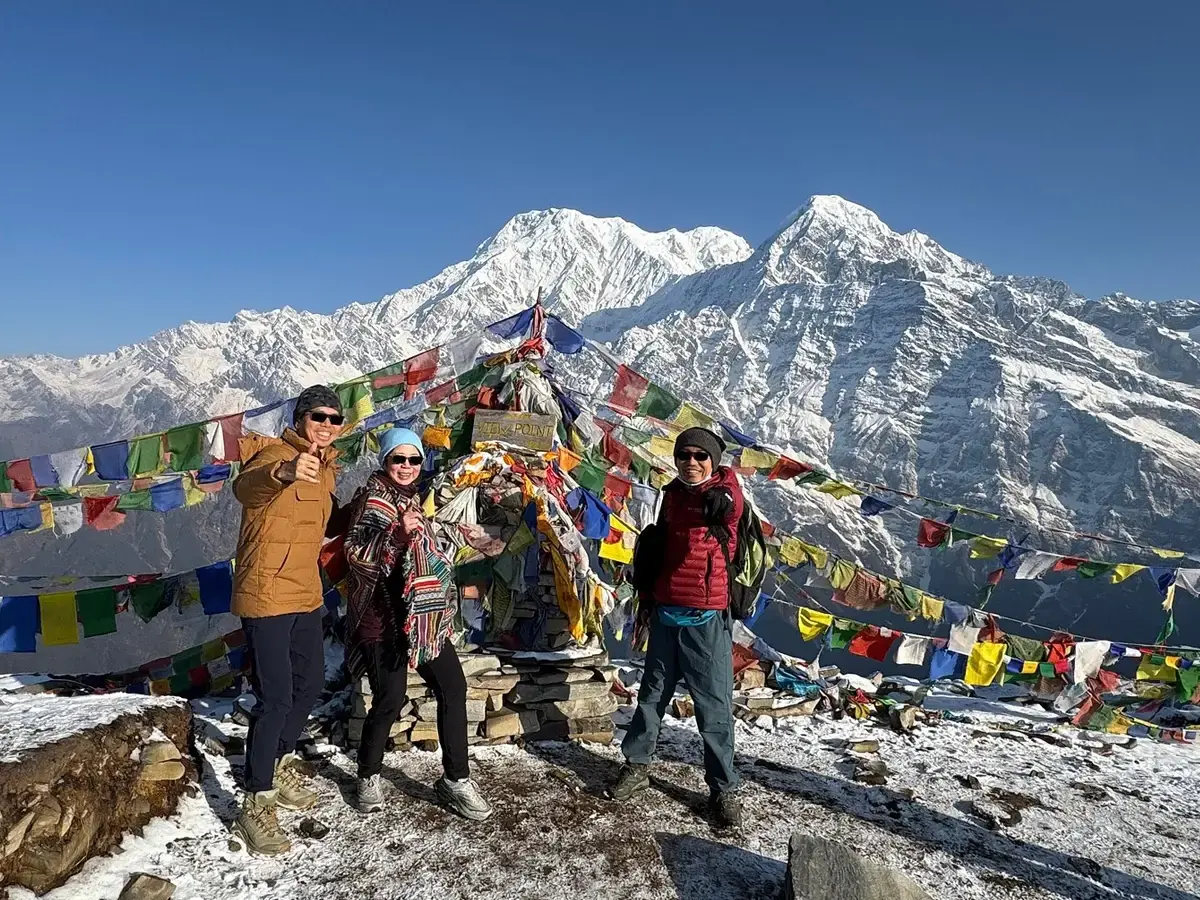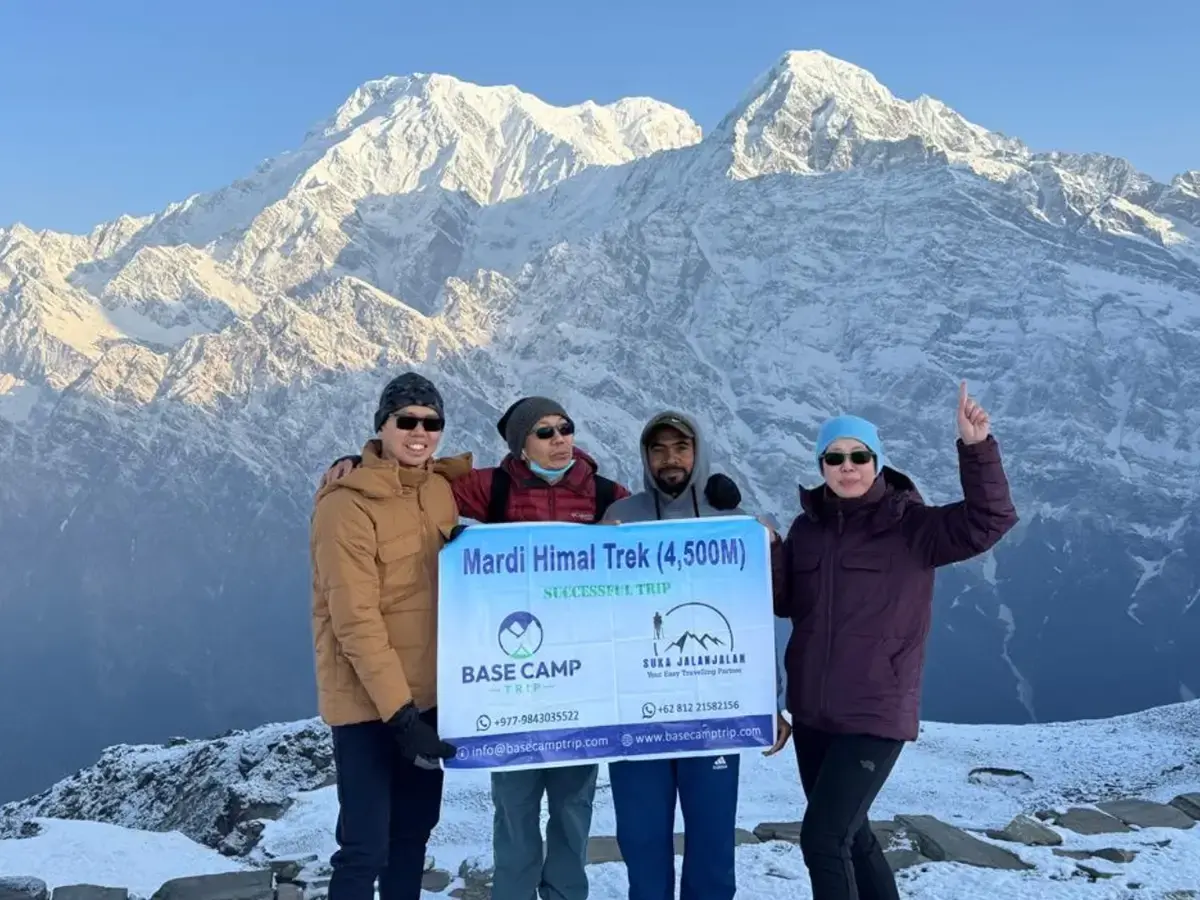
Mardi Himal Trek - 9 Days

Duration
9 Days
Trip Grade
Moderate
Country
Nepal

Highlights

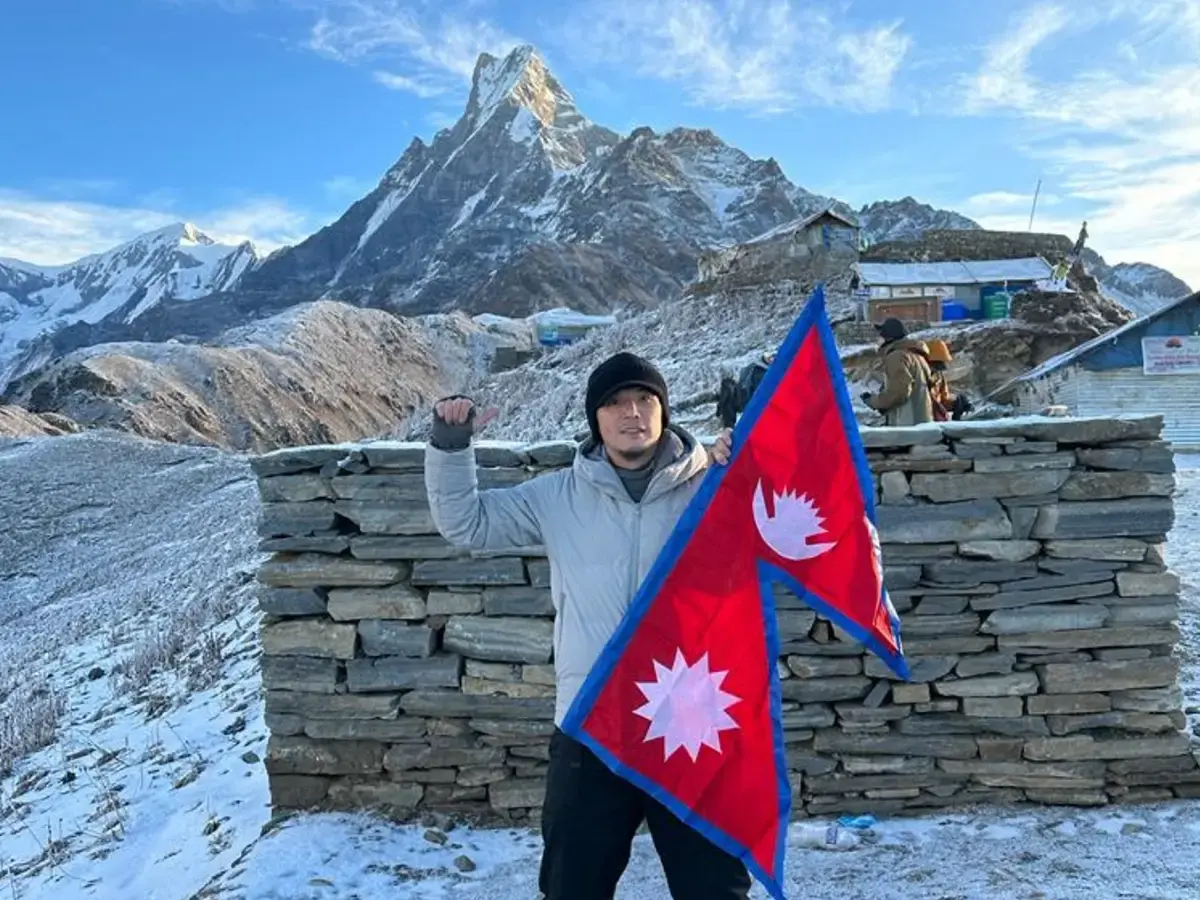
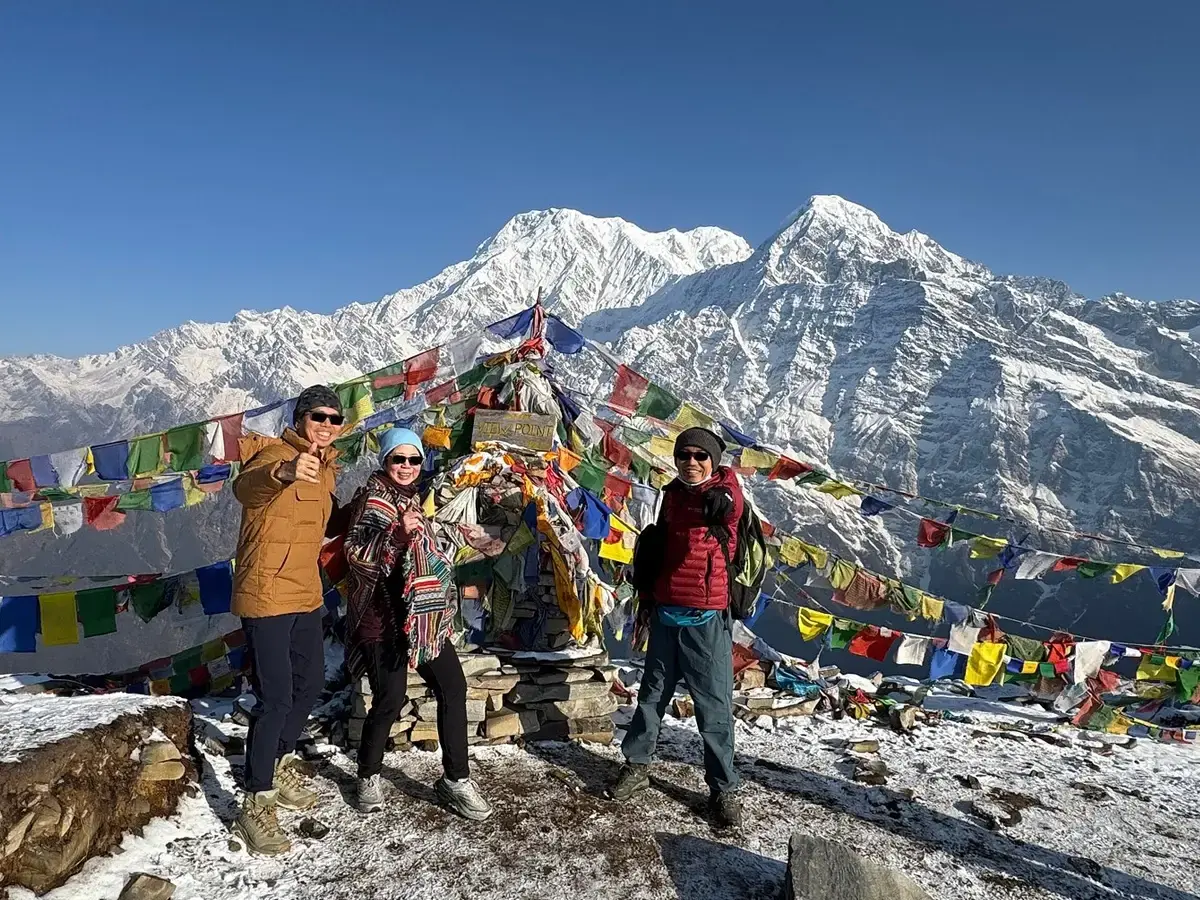
  • Beautiful close-ups of Machhapuchhre (Fishtail), Annapurna South, and Hiunchuli.
  • Less congested and relaxing trails, unlike the other popular treks.
  • Short and easy trek to a 9-day itinerary that is well-paced.
  • Beautiful rhododendron forests, especially during the spring season
  • Scenic ridge walks with spectacular Himalayan views.
  • Various landscapes, such as green forests and alpine areas.
  • Authentic teahouse experience with local hospitality
  • Opportunity to explore traditional Gurung villages and culture
  • Relaxing time in Pokhara after the trek
  • An optimal mix of adventure and comfort for first-time trekkers.
  • Gradual altitude gain makes acclimatization easier
  • Among the shortest treks in Annapurna.
  • Memorable journey to Mardi Himal Base Camp and Upper Viewpoint

The Mardi Himal Hike is a hidden gem treasure in the core of Nepal, with a less congested and peaceful alternative to the more frequented paths in the Annapurna Valley. During this 9-day trek, you explore the green rhododendron forests, picturesque traditional villages, and spectacular alpine sceneries. It has a good blend of adventure and comfort and offers a perfect itinerary with gradual gain in elevation and well-paced, yet it has a mix of both natural beauty and cultural immersion, which helps the trekkers to experience all of these.

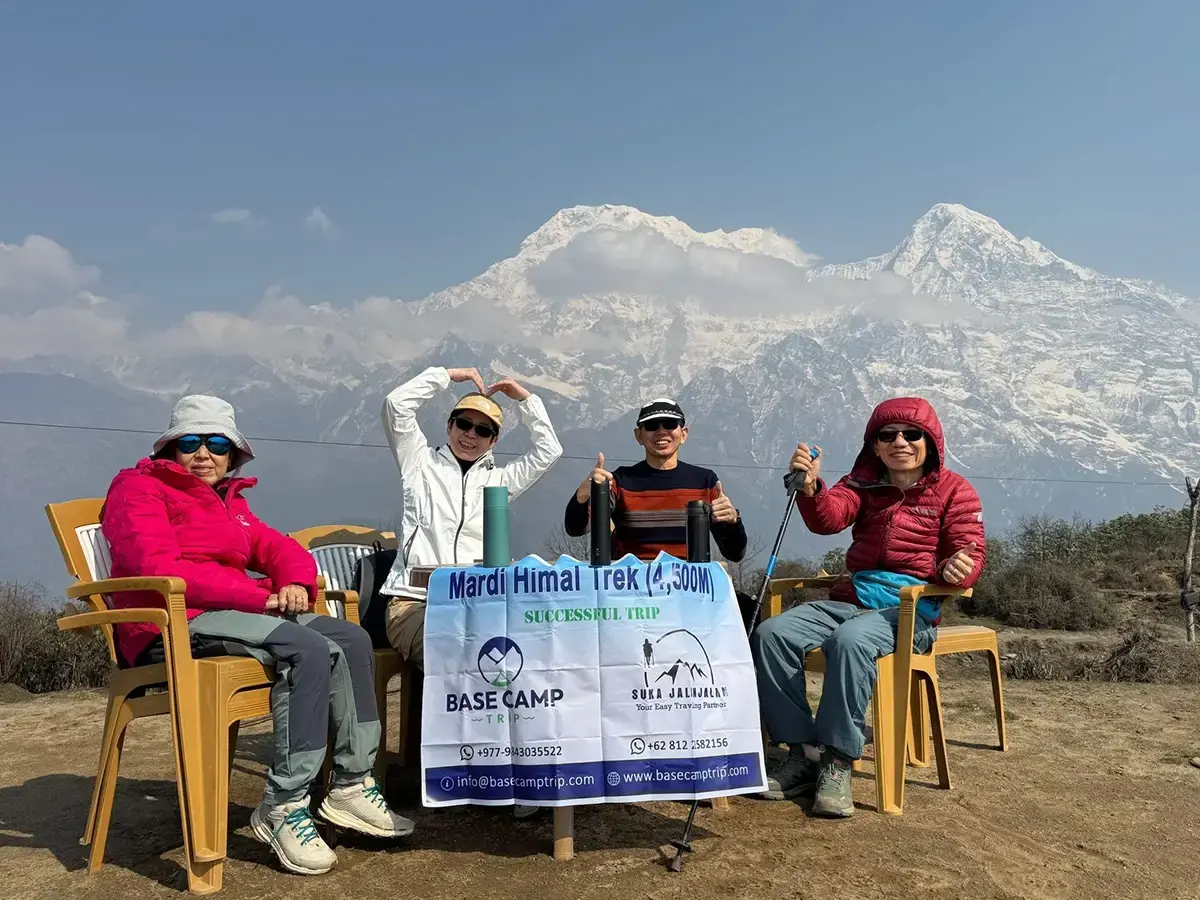
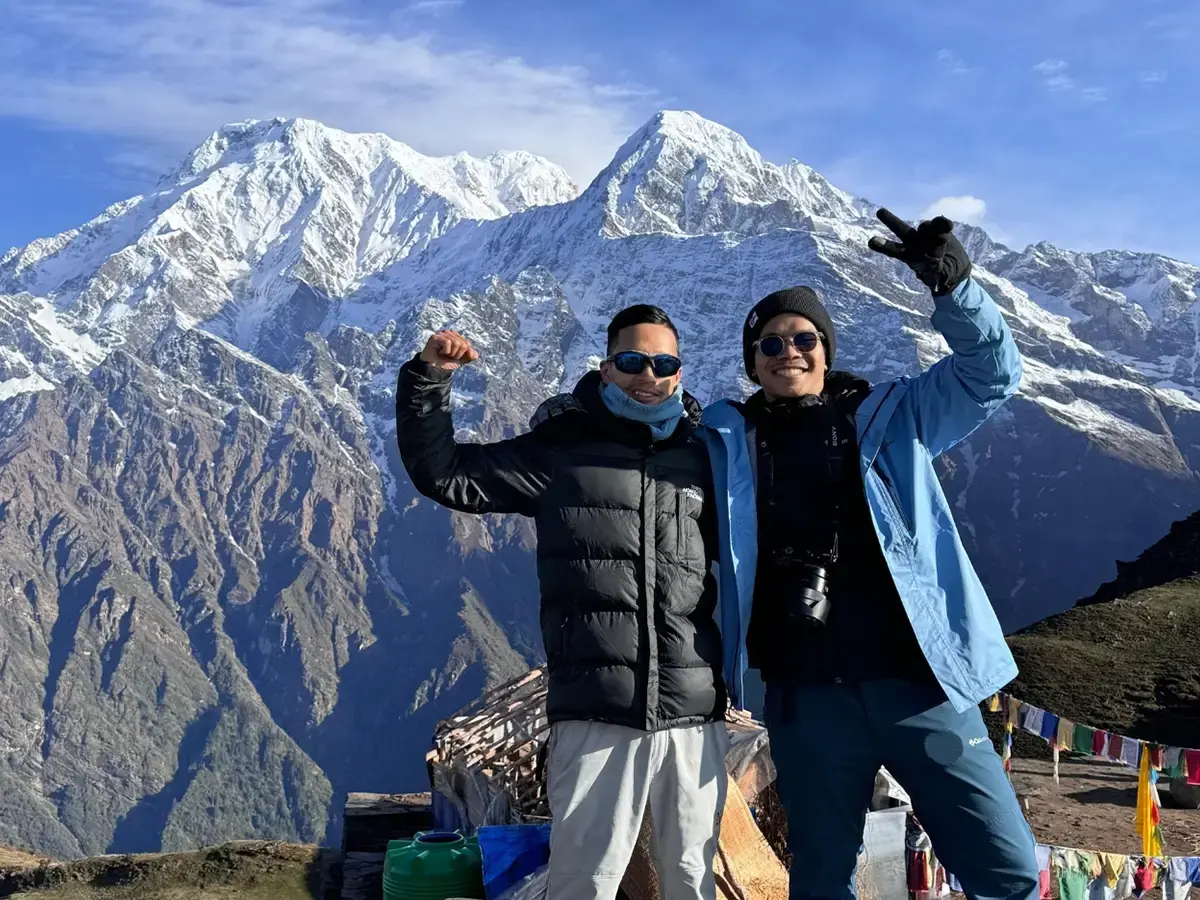
The trekkers are also given beautiful scenic views of the iconic Himalayan mountains like Machapuchare (Fishtail), Annapurna, and Hiunchuli on the way. The path slowly climbs up through the subtropical forests to the high-altitude ridges, and each step presents different scenery. The best part of the trek is the arrival at the Mardi Himal Base Camp, where the view is comprised of huge snow-capped mountains and scenic mountain views, which create an indelible impression.

Besides the natural beauty, Mardi Himal Trek also offers the possibility to get acquainted with the rich culture and the warm hospitality of the local people. Trekkers will go through the villages of classic Gurung and Magar, where they will be able to get acquainted with the local way of life, sample the local Nepalese cuisine, and meet the hospitable locals. The serene atmosphere and a relatively light level of pedestrian traffic make this hike ideal for those who want to be alone and have a greater connection with nature.

To have an organized and hassle-free adventure, you can book your 9-day Mardi Himal Trek package with Sukajalanjalan- your easy travelling partner. Sukajalanjalan would make trekking in the Himalayas a memorable experience with an expert guide, well-laid-out itineraries, and comfort and safety put first.

Mardi Himal Trek Trail History and Background

The Mardi Himal Trek is a relatively new trekking path in Nepal, particularly when compared to the well-known treks such as the Annapurna Circuit and the Annapurna Base Camp. The routes into Mardi Himal have historically not been tourist routes but rather the ones taken by local shepherds, hunters, and locals. Such trails were not much explored by strangers, and that is why they kept their pure and original nature for many years.

The route did not start getting recognized until the early 2010s, when trekking in the Annapurna region became popular. As more trekkers began seeking more peaceful alternatives to popular trails, tourism stakeholders in the region began to market Mardi Himal as an alternative destination. Over time, the trail was made more accessible by the gradual development of basic infrastructure like teahouses and lodges, while preserving its remote and peaceful nature.

The Mardi Himal Trek is today known to be balanced in terms of both natural beauty and sustainable development. The trail is located in the Annapurna Conservation Area Project, which assists in biodiversity protection of the region and in supporting the local communities based on eco-friendly tourism activities. Although the trek is gaining popularity, it still presents a more peaceful and less commercial experience, which is why it would be a good choice for those who want to have more of a Himalayan adventure.

Views during Mardi Himal Trek

Mardi Himal Trek has a variety of breathtaking views and is considered to be one of the best short treks in Nepal. It is a trail through green forests to the great Himalayan peaks, with varying scenery that keeps the trekkers fascinated on the path.

Scenic Forest Views

The walk starts with the serene strolls in the dense forests of rhododendron, oak, and pine trees. The trail is particularly beautiful in spring when the flowers of colorful rhododendron bloom all over the hills. These wooded areas are refreshing greenery, shade, and occasional views of mountains in the distance.

Panoramic Mountain Views

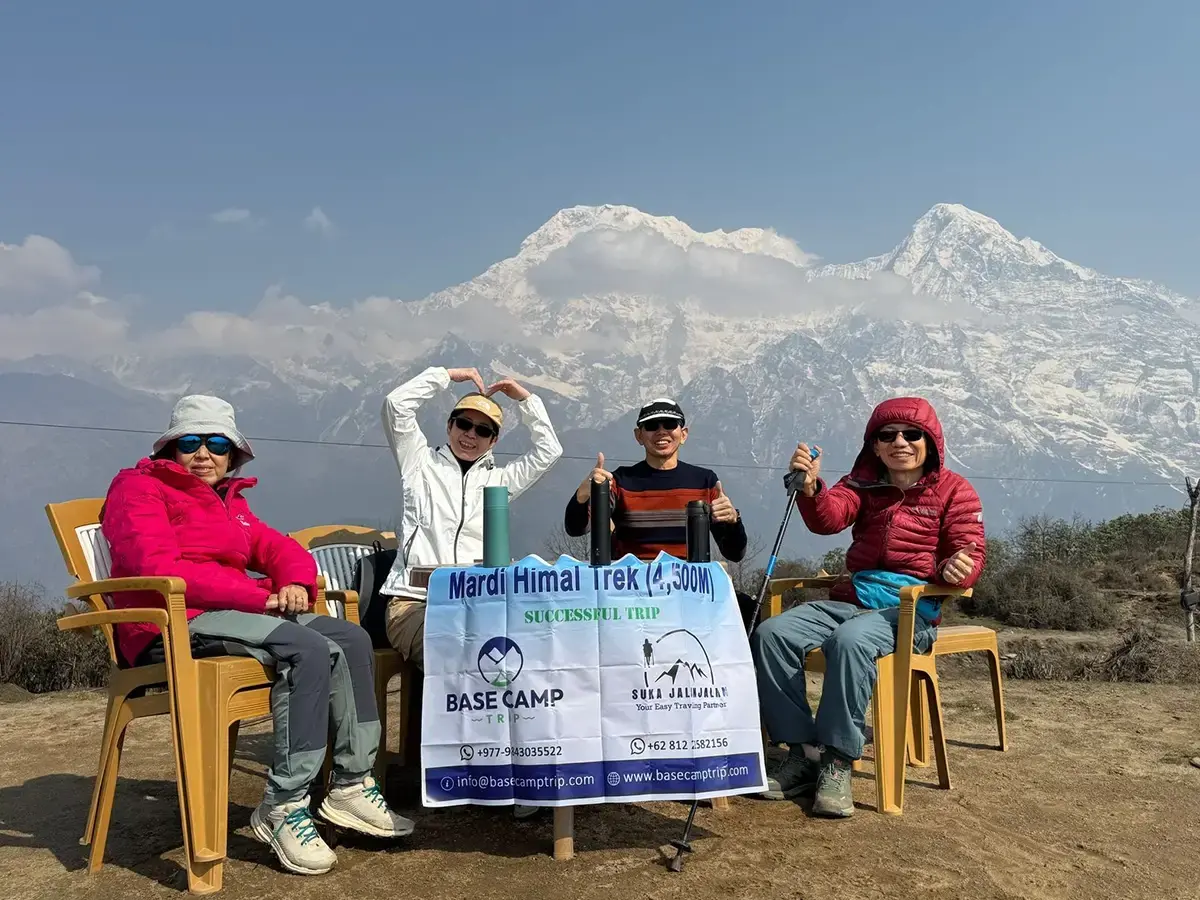
The scenery opens up to the beautiful Himalayan scenery as you climb. Trekkers will be able to have close-up views of Machapuchare (Fishtail), Annapurna South, and Hiunchuli. Another scenic walk to consider is the ridge walk that runs between the low camp and the high camp, giving continuous panoramic views.

Mountain and Foothill Landscapes.

Further up, the path becomes exposed ridges and mountains. The experience of walking on thin ridges, having clouds beneath and mountains above, is dramatic and memorable. This part brings out the virginal and pure nature of the area.

Base Camp Sunrise and Sunset Views

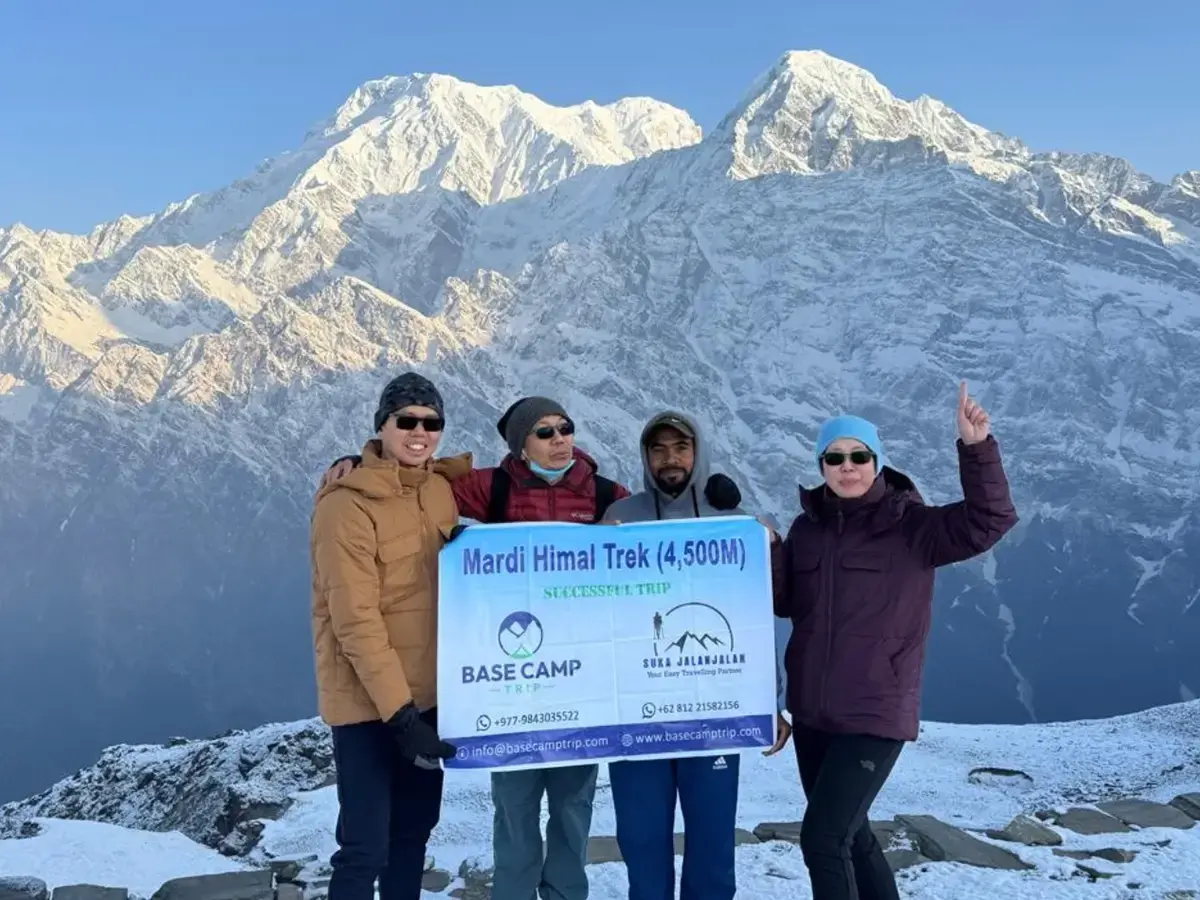
A 360-degree Himalayan view is the best part of the trek, as Mardi Himal Base Camp offers views of the Himalayas. The views of sunset and sunrise are marvelous, as the snow-capped peaks are as golden, and it is the best time to take a photograph and relax.

Why choose the Mardi Himal Trek over Annapurna or any other treks?

There is no better or worse choice between the Mardi Himal Trek and other more popular paths, such as the Annapurna Base Camp or the Annapurna Circuit: the difference lies in the type of experience you want to have. Mardi Himal provides a nice mix of breathtaking views, easy trails, and less time, so it is a great alternative to trekkers who are willing to enjoy less crowded but equally fulfilling treks.

Fewer and Peaceful Trails.

Compared to the crowded Annapurna trails, Mardi Himal is still rather quiet and less commercialized. Without big groups, you can appreciate nature, which makes the trek even more relaxing and immersive. It’s ideal for those who prefer solitude and a more authentic trekking experience in Nepal.

Close-Up Mountain Views

The expedition provides unbelievably near and dramatic looks of Machapuchare (Fishtail), Annapurna South, and Hiunchuli. It takes a shorter time to be high up than most of the longer walks and provides you with stunning Himalayan views in a shorter period.

Short and Time-Efficient Trek

Mardi Himal is ideal for a few hours. Although 2-3 weeks are required to complete treks such as the Annapurna Circuit, Mardi Himal can be done in 5-10 days. This will make it perfect for the novice or the tourist who would desire a full Himalayan experience without having to make a long-term commitment.

Varied Landscapes within a Short Region.

The trail presents a great diversity of landscapes in a short distance, starting with rich rhododendron woods and moving to the alpine ridges and snow-white mountains. The landscape continues to shift, making the trek interesting to watch and exciting to the eye as one goes through it.

Easy to Learn, Moderately Challenging.

The climb is ranked as fairly moderate when compared to other highways. It can be done even by first-time trekkers with proper pacing and basic fitness. The clear path and an increasing number of teahouses also contribute to the comfort and safety.

Genuine and Untravelled Experience.

Mardi Himal still retains its raw and untouched charm. It is a great option in case one wants to experience something unique and not touristy, unlike more commercialized routes, which allow one to have a closer relationship with nature and local culture.

Mardi Himal vs Annapurna Base Camp

In making a choice between the Mardi Himal Trek and the Annapurna Base Camp (ABC) Trek, it very much depends on the amount of time that you have, your trekking style, and your preference for crowds to solitude. They both are amazing Himalayan experiences in Nepal, and they provide rather different vibes.

Trek Length and Challenge.

Mardi Himal is less expensive and time-consuming and can be finished in 5-10 days, whereas Annapurna Base Camp lasts 7-12 days. Regarding difficulty, both are moderate, although over time, the ABC may seem a bit more challenging because the walks will be longer and the exposure to altitudes will be greater.

Crowds and Atmosphere

Mardi Himal is relatively peaceful and not heavily populated and can therefore be ideal for trekkers who require tranquility and seclusion. Annapurna Base Camp, on the other hand, is among the most popular treks in Nepal; you will meet more trekkers during peak seasons in particular.

Scenery and Views

The two treks will provide a beautiful view of the mountain, although there is a difference in the experience. Mardi Himal offers more direct and dramatic Machapuchare (Fishtail), Annapurna South, and Hiunchuli ridge trails. Actually, the ABC provides a majestic 360-degree amphitheater of peaks at base camp that is more expansive and iconic.

Trail Experience

Mardi Himal has narrow ridges, trails in the forests, and an off-road atmosphere. The ride is more gritty and less Disneyfied. ABC is more comfortable and less isolated with well-built trails, stone staircases, and more established teahouses.

Accommodation and Facilities

The infrastructure in Annapurna Base Camp is more advanced, and there are a variety of teahouses and amenities. Mardi Himal contains more primitive lodges, particularly at higher altitudes, but the situation is getting better each year.

Which of them should you pick?

Select Mardi Himal to have a more spacious, shorter, and unique trekking adventure with fewer people. Go to the Annapurna Base Camp if you wish to have a traditional trek with improved facilities and a more social environment. Both of them present memorable Himalayan experiences—it is only a matter of which type of adventure you are seeking.

Why choose Suka Jalanjalan?

Suka JalanJalan is a reputable trekking and traveling company that provides structured, secure, and memorable adventures in the Himalayas. Having a group of professional domestic guides, they can guarantee the genuine trekking experiences, taking care of all the logistics, such as permits and transportation, accommodation, etc., so the travelers can concentrate on the trekking.

Travelers' journeys are designed to meet the budgets, durations, and interests and are thus suitable for novice trekkers and experienced adventure travelers. Suka JalanJalan has a passion to guarantee its visitors that traveling in Nepal is a safe, personalized, and convenient experience that makes their visit to the country worth remembering.
Mardi Himal Trek - 9 Days Itinerary

Day 1

Arrive in Kathmandu

After you arrive in Kathmandu, our team will pick you up at the Tribhuvan International Airport and escort you to your hotel. You’ll stay overnight in Kathmandu. We’ll leave the day after tomorrow, so you can have a day to explore Kathmandu and prepare your trekking gear. We’ll have a welcome dinner the next day and rest in Kathmandu.

Max Altitude: 1300
Meals: Null
Accommodation: Hotel
Day 2

Drive from Kathmandu to Pokhara

The Deluxe Tourist Bus will arrive early in the morning. Today, we will drive from Kathmandu to Pokhara. After arriving, we’ll take a rest in a hotel and explore around Pokhara. It’ll take around 6-7 hours by bus to get there from Kathmandu.

Max Altitude: 900
Meals: Breakfast/Lunch/Dinner
Duration: 6-7 hours
Accommodation: Hotel
Mode of transportation: 900m
Day 3

Drive by Jeep from Pokhara to Kande

On Day 3, a jeep will come to pick us up. We’ll drive by jeep from Pokhara to Kande. It’ll take around 2 hrs to reach Kande. Trekking will start from today, as we will hike to Forest Camp for 5-6 hours. We will stay overnight in Forest Camp and prepare our trek to Low Camp.

Max Altitude: 1770
Meals: Breakfast/Lunch/Dinner
Accommodation: Tea House
Day 4

Trek from Forest Camp to Low Camp

Forest Camp is 4-5 hours away from Low Camp. The elevation will rise to 3050 m at Low Camp. The trail goes through the steep road and the rhododendron forests. The mountain views of Mardi Himal, the Annapurna Range, and Machhapuchre around it will make the trail unforgettable.

Max Altitude: 3050
Meals: Breakfast/Lunch/Dinner
Duration: 4-5 hours
Accommodation: Tea House
Day 5

Trek from Low Camp to High Camp

One of the most scenic parts of the Mardi Himal Trek is the trek between Low Camp and High Camp. On the way up, the thick rhododendron forest is slowly replaced by the alpine scenery and bare ridges. The path is more scenic and has stunning Machhapuchhre (Fishtail) and other mountain views. It takes approximately 45 hours of walking to reach High Camp, where the spectacular mountainous landscape seems to be in your face. Night at a teahouse.

Max Altitude: 3550
Meals: Breakfast/Lunch/Dinner
Accommodation: Tea House
Day 6

Hiking Summit to Mardi Himal Upper View

One of the most picturesque parts of the Mardi Himal Trek is the trek between the Low Camp and the High Camp. The thick rhododendron forest gradually yields on the way up to the alpine scenery and open ridges. The route gets smaller and has magnificent scenery of Machhapuchhre (Fishtail) and other neighboring mountains. After 4-5 hours of walking, you will arrive at High Camp, where the mountain drama is so near. One-night accommodation in a teahouse.

Max Altitude: 4200
Meals: Breakfast/Lunch/Dinner
Accommodation: Tea House
Day 7

Trek down from Low Camp to Siding and Drive to Pokhara

The forests and old villages you pass today fall to Siding. The path is less popular and offers an insight into the Gurung culture and village life. Once you arrive at Siding, you make a picturesque ride back to Pokhara. When you arrive, you can have a rest and experience the lakeside experience after your trekking adventure.
Max Altitude: 1529
Meals: Breakfast/Lunch/Dinner
Accommodation: Hotel
Day 8

Drive from Pokhara to Kathmandu

You then drive back to Kathmandu after breakfast. The trip takes approximately 6-8 hours, along rivers, hills, and rural settings. Alternatively, you can opt to have a quick domestic flight. On reaching Kathmandu, you can do sightseeing in the city, buy souvenirs, or just rest.

Max Altitude: 1400
Meals: Breakfast/Lunch/Dinner
Accommodation: Hotel
Still Confuse?
No worries — we’re here to help. Whether you have questions or just need a bit more clarity, feel free to reach out. Our team is ready to guide you every step of the way.

Cost Details

Includes

  • Airport pick-ups and drop-offs by private four-wheeler
  • Overnight stay in a 3-star hotel with breakfast in Kathmandu and Pokhara
  • Twin-sharing, basic guest house accommodation during trekking
  • Breakfast, lunch, and dinner during the trek
  • Seasonal fruits and one cup of tea or coffee each day
  • Annapurna Conservation Area Permit (ACAP) and TIMS Card
  • Complimentary duffel bag, trekking pole, map, first-aid kit, pulse oximeter, and satellite phone
  • Licensed Nepali guide and porter (1 porter for 2 trekkers)
  • Guide and porter expenses (accommodation, meals, salary, and insurance)
  • Trip achievement certificate
  • All government taxes and service charges

Excludes

  • International flights to/from Kathmandu
  • Travel insurance (including emergency evacuation and medical coverage)
  • Lunch and dinner in Kathmandu
  • Trekking clothes and personal gear
  • Shopping and souvenirs
  • Tips for driver, guide, and porter
  • Bar bills, bottled water, and extra beverages
  • Nepal travel visa fee
  • Any expenses not mentioned in the included section

Essential Information

Mardi Himal Trek Permits

Trekking in Mardi Himal requires specific permits to ensure safety and support local conservation efforts. All trekkers must obtain the following:

  • TIMS Card (Trekkers’ Information Management System): This permit is mandatory for all independent trekkers in Nepal. It helps authorities track trekkers and ensures safety. TIMS can be obtained through a trekking agency like Suka Jalanjalan or at the Nepal Tourism Board offices.
  • Annapurna Conservation Area Permit (ACAP): Since Mardi Himal lies within the Annapurna Conservation Area Project, trekkers must obtain an ACAP permit. The fee contributes to environmental protection and local community development.

Permits are generally checked at trail entry points, and trekkers should carry a copy at all times. Booking through a reputable trekking agency like Suka Jalanjalan ensures that all permits are arranged in advance, making the trek hassle-free.

Best season for Mardi Himal Trekking

The best time to trek the Mardi Himal Trek is during the pre-monsoon (spring) and post-monsoon (autumn) seasons, when the weather is clear, and the mountain views are spectacular.

Spring (March to May): Spring is one of the most sought-after seasons to trek in since the rhododendron forests are in full blossom, and they give a boost of color to the trail. The weather is pleasant, and the sky is usually clear, giving us a very good view of Machapuchare, Annapurna South, and the other mountains.

Fall (September-November): Fall is also a good time to see the Himalayan view, and the air is clear and refreshing after the monsoon. It is a good time to take a hike and do some photography because the weather is good, it is not raining, the temperatures are quite comfortable, and the trail is dry.

During the monsoon period (June to August), one should not walk because of downpours, muddy paths, and landslides. Winter (December to February) is possible, but colder with likely snow at a higher altitude, which makes some of the routes more difficult.

Route to Mardi Himal Trek

The Mardi Himal Trek starts in the bustling capital Kathmandu, where you land and are ready to take the uphill trip. This is after a few days spent in the lakeside city of Pokhara, the entrance to the Annapurna region. Pokhara is the starting point of the trek and can be reached by a scenic jeep ride to Kande, the trek's departure point.

The path then moves at a slow pace through thick rhododendron bushes to Forest Camp, which is a quiet and less crowded trekking adventure. As you proceed to Low Camp and High Camp, the terrain is exposed to a beautiful alpine landscape with breathtaking Machhapuchhre, Mardi Himal, and the Annapurna Range. The best part of the path is hiking to Mardi Himal Upper Viewpoint (approximately 4,200 m) in the early morning, when you can see the gorgeous sunrise view of the Himalayas.

Once at the viewpoint, the path leads down to Low Camp, Siding Village, and then a drive back to Pokhara. After that, you are back in Kathmandu, knowing that you had an all-encompassing trekking experience with the mix of natural beauty, cultural experience, and fulfilling mountain views within a relatively short period.

Last Minute Booking for Mardi Himal Trek

Have an adventure at the peak of the moment? The Mardi Himal Trek has the benefit of last-minute booking for individuals who are willing to visit the Annapurna region but do not need to book long before they can start their journey. You can book up in advance in scheduled departures or make your itinerary at the last minute, whether you are a solo trekker, a couple, or a small group. Last-minute reservations make it easy to enjoy the quiet forests, alpine scenery, and breathtaking views of Mardi Himal and the Himalayan peaks with comfortable lodging, professional guides, and transportation to the location, including Kathmandu or Pokhara.

Mardi Himal Trek for Solo/Private/Group

Regardless of whether you are going on a trek alone, in a small group, or in a large group, it is highly advised to hire an experienced guide to lead the Mardi Himal Trek. A local guide will keep you safe on the steep and remote trails, assist you in finding your way through thick forests and high-altitude places, and offer information about the culture, plants, and wildlife of the Annapurna region. To individual hikers, a guide will provide a companion and encouragement, whereas individual or group travelers enjoy the advantage of a personalized pace, logistics handling, and local know-how of the most optimal outlooks, such as Mardi Himal Base Camp and Upper Viewpoint. Guide services also eliminate the worry about permits, accommodation, and transportation, and you can experience the serenity and beauty of the landscape, sweeping mountain vistas of the Himalayas, and an authentic mountain experience.

Training for Mardi Himal Trek

Physical Fitness Preparation

The Mardi Himal Trek requires the development of endurance and stamina. Concentrate on cardio activities such as brisk walking, jogging, cycling, or swimming at least 3-4 times a week. Include hill climbing or climbing stairs to imitate climbing uphill. Start with low intensity and duration, and progressively increase in intensity and duration to enhance your overall fitness level and get your body ready to spend long hours trekking.

Strength Training

Strength training enables your body muscles to cope with steep trails and hikes. Train legs, core, and back muscles with such exercises as squats, lunges, planks, and weighted backpack training. Good muscles will decrease fatigue and injuries and help ease your pack during the trek.

Flexibility and Balance

Balance and flexibility exercises help to prevent injuries and enhance trekking stability on the uneven tracks. Stretch, yoga, and balance, such as single-leg stand exercises or stability ball exercises. This increases agility over rough roads and steep inclines.

Backpack Training

Use a weighted backpack like the one you will use on the trail to practice hiking. Begin with light weights and then gradually add weight. This will familiarize your body with carrying lots of necessary items such as water, clothes, and camera equipment without the need to hunch over.

Altitude Acclimatization

Although the highest altitude of Mardi Himal (~4,500m) is moderate in comparison to other treks in the Himalayas, acclimatization to the altitude matters. Provided that you can, make brief ascents at greater altitudes prior to your walk. Take everything at a slow pace on the journey, keep yourself hydrated, and apply the principle of "climb high, sleep low" to prevent altitude sickness.

Mental Preparation

Trekking involves mental strength as well as physical conditioning. Get used to high altitudes, unpredictable weather, and early rising. To ensure the mind is kept in a positive state during the trek, visualization, meditation, and daily goals can help.

Mardi Himal Trek challenges and difficulty

Mardi Himal Trek is rated a moderate-level trek, which can be attempted by novice trekkers with minimum fitness and expert trekkers looking to explore a less crowded Himalayan adventure. The route consists of steep climbs, sandy tracks, and elevated areas, which may be physically challenging. There is a possibility of cold weather, sudden rain, and slippery trails that hikers may experience, particularly in the season of monsoon or winter. The most important thing to overcome these challenges is proper preparation, good footwear, and gradual acclimatization.

Is Mardi Himal Trek Safe?

Yes, the Mardi Himal Trek is usually safe for the trekkers who follow the usual precautions. The paths are well signposted, and tea houses are found along the way to give rest and food. Safety will, however, rely on the weather, fitness, and experience of trekking. Hydration, proper acclimatization, proper clothing, and not taking unnecessary risks are the factors that can be used to reduce the number of accidents and altitude-related problems.

Can you do the Mardi Himal Trek without a guide?

Technically, Mardi Himal can be trekked without a guide, as the trail is reasonably well-defined and there are maps. Nevertheless, it is strongly advisable that solo trekkers or those who are first-time trekkers hire a guide. A guide is essential as it offers direction, local information, emergency support, and cultural understanding, which makes the journey both safer and more enjoyable. For group or individual trekkers, a guide is also used to assist in the logistics, such as permits, tea house bookings, and timing, which will provide a smoother experience overall.

High Altitude Sickness

High Altitude Sickness (HAS) or Acute Mountain Sickness (AMS) may be experienced by trekkers on Mardi Himal, particularly as the trek ascends to heights above 3,500-4,200 meters at High Camp and Upper View Point. The symptoms could be headache, nausea, dizziness, fatigue, shortness of breath, and difficulty sleeping.

How to Prevent High Altitude Sickness

Gradual acclimatization - abide by the principle of climb high, sleep low.

Keep hydrated - consume a lot of water during the trek.

Keep it slow - do not hurry up, make sharp turns, or get on slowly.

Consumption of alcohol and heavy meals should be avoided - they may increase symptoms.

See a doctor - bring medication such as acetazolamide on board.

Safety Tips

Always pay attention to your body; the best reaction is to go down at once in case the symptoms become worse.

It is advisable that trekkers have a guide or a seasoned group to travel with, since the guides will be able to notice when they are on the verge of developing altitude sickness and they will assist them.

Although Mardi Himal is rated as moderate in challenge, high-altitude preparation and awareness are key in ensuring a safe and enjoyable trekking experience.

Travel Insurance

Travel insurance is most advisable when trekking in Nepal, particularly the high-altitude treks, such as the Mardi Himal Trek. Medical emergencies, altitude sickness, trip cancellations, and helicopter evacuation should be included in a comprehensive policy that is necessary in remote mountain locations. Suka Jalanjalan highly recommends that every trekker purchase insurance before the trip to have a successful and stress-free vacation in the Himalayas.

Travel guide in Nepal—Passport and visas

Most international visitors find it easy and convenient to travel to Nepal. One will require a valid passport that is not less than 6 months old. Visitors are allowed to receive a visa at Tribhuvan International Airport or at general land borders. Tourists will have to complete a form and pay a fee in the form of a visa based on the duration of stay (15, 30, or 90 days).

Suka Jalanjalan will help you with the latest visa, travel advice, and pre-trip services so you do not have to worry about the entry process and can enjoy your trekking in Nepal.

Things you need to know

To plan the Mardi Himal Trek, one needs to know a few important things to make the journey hassle-free and enjoyable. Whether it is accommodation, meals, responsible trekking, or helpful travel tips, being prepared will assist you in making the most of your Himalayan adventure.

Accommodation

The Mardi Himal Trek has accommodation mostly in the form of tea houses and lodges along the route. They are easy but comfortable and provide simple rooms that contain beds, blankets, and common facilities. The higher the elevation, the fewer choices you have, and therefore, it is always better to make a reservation ahead of the season. Another opportunity that you get by staying in tea houses is a chance to explore local culture and hospitality.

Food/Meals

Dining on the trek is made fresh and gives the energy required to sustain the lengthy hiking days. Popular dishes are Dal Bhat (rice, lentils, and vegetables), noodles, soups, pasta, eggs, and tea/coffee. Dal bhat is particularly well-liked by trekkers, as it is healthy and is usually served with unlimited refills. Light and frequent meals are advised, and it is also advisable to keep hydrated during the trek.

Trek Responsibly

Sustainable trekking contributes to maintaining the beauty of the Annapurna area. Littering: Do not litter, use reusable water bottles, and reduce plastic use. Appreciate culture, traditions, and wildlife. Sustainable tourism involves supporting local businesses, e.g., tea houses and guides, which also helps the local community.

Travel Tips

  • Layered clothing with a pack to adjust to the changing weather.
  • Wear good trekking shoes with a good grip.
  • Bring provisions such as sunscreen, a first-aid kit, and a reusable water bottle.
  • Begin walking early in the morning to prevent changes in the weather in the afternoons.
  • Accessibility and safety: a guide or a porter can be hired.

Things you can experience during the trip

Mardi Himal Trek is a secret treasure trove of the Annapurna region, with the perfect combination of natural beauty, cultural experiences, and शांत (peaceful) paths. This is a quick and yet fulfilling walk that gives you the chance to explore various terrains, stunning mountain ranges, and real-life experiences of the locals, which makes it ideal for those trekkers who want to have an adventure as well as relaxation.

Scenic and Cultural Attractions.

The hike is a great blend of sightseeing and cultural journeys. Passing through settlements and forest walks, you can have a glimpse of the Himalayan lifestyle, local traditions, and the simplicity of living in the mountains.

Stunning Mountain Views

Trekkers are repaid with unbelievable sights of mountains such as Machapuchare, Mardi Himal, and the Annapurna range. The views of the sunrise in higher camps are some of the most beautiful and memorable.

Lush Forests and Wildflowers

The path is traversed by thick rhododendron and oak trees. During spring, wildflowers bloom along the trail and make it a refreshing and vibrant natural setting.

Quiet Villages and Local Culture

You will cross through small villages where you will be able to feel the hospitality of the local people. Residence in tea houses provides an understanding of the everyday life, food, and culture of the Annapurna communities.

Less Crowded Trails, Peaceful

Mardi Himal is a peaceful and less congested trail compared to the more popular trekking trails. This enables trekkers to appreciate the tranquility of nature and get into the environment.

Things to Keep in Mind

It is not only important to pack your gear but also to prepare mentally and physically before the trek. By remembering some of the following tips, you will be comfortable, safe, and confident in your trip to the Annapurna region.

Train Your Legs

It is a hike that requires mountains and extended walking time, and it is necessary to train legs before the trip. Daily walking, using the staircase, or doing light hiking will assist in building stamina and make the journey much more agreeable.

Never Compare Yourself

Each person has a different pace and level of stamina. Do not compare yourself with other trekkers and concentrate on your own rhythm. Pacing or walking slowly but at your own comfortable pace will ensure that you are not exhausted, and the journey will be enjoyable.

Carry Essential Meds

Always have a set basic medical kit containing medicines to help with headaches, altitude sickness, colds, and simple injuries. The preparation will enable you to manage minor health complications on the trek without causing stress.

Pack Trekking Necessities.

Carry only what you really need and pack light. The presence of a heavy backpack will slow you down and make the journey more exhausting. Pay attention to such necessities as the number of clothing layers, water, snacks, and simple equipment to have a more comfortable trekking experience.

Is the Mardi Himal Trek possible in 3-4 days?

Yes, technically, it is possible to complete the Mardi Himal Trek in 3-4 days, but it would be very rushed and challenging. The trek will be physically exhausting, as you will have to walk very long kilometers every day, with steep rises and little time to take a break.

You can probably finish the trek in 4 days at a rapid pace if you avoid the Upper View Point. This would, however, imply missing one of the key attractions of the trek. What is more important is that it has to be acclimatized properly, particularly at the altitudes, which increase rapidly. By rushing the trek, you risk developing altitude sickness and not enjoying the journey as much.

To have a safe and more enjoyable experience, 5-7 days are usually advised, which will be sufficient to adapt to the altitude and enjoy the beauty of the trek to the fullest.

Why do first-time trekkers love Mardi Himal?

The Mardi Himal Trek has rapidly emerged as one of the most popular short treks in Nepal, particularly among novices. Secluded in the beautiful Annapurna region, it presents the ideal combination of adventure, comfort, and breathtaking views. First-time trekkers have been feeling like the perfect introduction to trekking in the Himalayas: not too difficult that they feel discouraged, but not too easy that they think they could do without any experience.

Short and Beginner-Friendly Trek.

Among the most significant factors why first-time trekkers have fallen in love with Mardi Himal is its shortness. And it does not require such exertions as longer hikes do, since it can be accomplished within a few days. The paths are clearly identified, and the number of hours of walking is quite normal, so that a beginner may appreciate the journey without severe fatigue.

2. Stunning Mountain Views Not with a Strain.

Mardi Himal is a beautiful spot where one can see the classic mountain summits such as Machhapuchhre (Fishtail), Annapurna South, and Hiunchuli. The special thing is that you do not have to walk for several weeks to see these sights. Close-up Himalayan scenery is rewarded to trekkers in a few days.

3. Less Crowded and Peaceful Trails

Mardi Himal trail is less congested and busy compared to other tourist destinations such as the Annapurna Base Camp. First-time trekkers often prefer this peaceful environment as it feels more personal, less stressful, and closer to nature.

4. Slow Altitude Ascent (Good to Acclimatize)

The climb is not overly difficult, making it more comfortable to acclimate those who are new to higher altitudes. This decreases the chances of altitude sickness and makes the expedition more comfortable and safe for a first-time trekker.

5. Varied Scenery within a Minute.

The scenery is amazingly diverse, passing through green forests and rhododendron-covered hills, and across the Alps and snow-covered mountains. New trekkers enjoy seeing other landscapes without committing to a lengthy adventure.

6. Comfortable Teahouse Experience

The route is easily accommodated but comfortable. Trekkers are able to have hot meals, comfortable accommodation, and hospitable locals. This renders the trek not so daunting to the beginners who might not be ready to go camping or in extreme situations.

7. Optimal Balance between Challenge and Enjoyment.

Mardi Himal is neither too easy nor too hard—it is just right. Novice trekkers experience the sense of success without being overstretched. This balance instills confidence, and it usually makes them want to venture into other treks in the futur

Conclusion

It is the right place to come when you are a first-time trekker: Mardi Himal has all that one might desire: easy paths, breathtaking views, a quiet environment, and fulfillment. It is that type of adventure that makes novices become lifelong trekking lovers.

FAQs

1.What is the level of difficulty of the 9-day Mardi Himal Trek for beginners?

The 9-day Mardi Himal Trek is rated as an easy to moderate level, which can be completed by beginners with low fitness. The extended time will enable adequate acclimatization and fewer walks daily, which makes it less challenging. It can be done by first-time trekkers, as they can train with light cardio, practice walking, and prepare mentally to climb up and down the mountain.

2.What is the best time to do the Mardi Himal Trek?
The best time for the Mardi Himal Trek is during spring (March to May) and autumn (September to November). These seasons are clear, with stable weather and beautiful mountain panoramas. The blooming rhododendrons of spring and crisp visibility of autumn make the trekking experience enjoyable and safer
3.Can a 9-day Mardi Himal trek be done by a solo traveler?

Yes, the 9-day Mardi Himal Trek is the one that can be done by a solo traveler. The path is very clear, and teahouses are sufficiently numerous. Nevertheless, novices are encouraged to employ the services of a guide to keep safe and on course. Even solo trekkers should notify somebody of their itinerary before they get started.

4. Do I require a guide on the Mardi Himal Trek?

Although one can hike alone, it is strongly advised that a guide be hired, especially in the case of first-time hikers. A guide assists in navigation, accommodation, safety, and offers cultural knowledge. It will also help in alleviating stress and help you concentrate on enjoying the trek.

5. What are the permits to do the Mardi Himal Trek?

There are two permits required: the Annapurna Conservation Area Permit (ACAP) and the TIMS (Trekkers Information Management System) card. These are compulsory permits, which can be acquired in Kathmandu or Pokhara before the trek.

6. What is the altitude of the Mardi Himal Trek?

The peak of the Mardi Himal Trek is Mardi Himal Base Camp, which is at an altitude of about 4,500 meters. This 9-day itinerary will give a gradual ascent to enable the trekkers to adapt to the altitude level, thus minimizing chances of altitude sickness.

7. Does the trek have altitude sickness?

Yes, it is possible to experience altitude sickness above an altitude of 3,000 meters. The 9-day itinerary, however, gives sufficient time for acclimatization. Symptoms can be prevented by remaining hydrated, walking slowly, and avoiding alcohol. Always take heed of your body and go down as you need to.

8. What is the accommodation like on the trek?

The primary accommodation along the Mardi Himal route is teahouses. They offer simple rooms, shared washrooms, and hot meals. Facilities are easy and comfortable for the trekkers and provide a warm atmosphere after a day of hiking.

9. What will I find to eat on the trek?

You will get a taste of many different foods like dal bhat, noodles, soups, fried rice, pancakes, eggs, and tea/coffee. The most common is Dal bhat because it is nutritious and usually has unlimited refills, which is the best to use in case of energy during trekking.

10. What is the number of days that we walk on a 9-day itinerary?

During a 9-day Mardi Himal trek, the average length of walking time is between 4 and 6 hours. It is also slower than the shorter itineraries, and this enables the trekkers to have time to appreciate the landscape, take breaks, and be well acclimatized without haste.

11. Will the Mardi Himal Trek be crowded?

Mardi Himal is not as crowded as the other popular treks in the Annapurna region. The trails are also quiet, even in the seasons when the mountains are at full capacity, and this makes it ideal for trekkers who want to enjoy tranquility and have a better interaction with nature.

12. What do I need to carry on the trek?

Layered clothes, trekking boots, a down jacket, rain gear, toiletries, a first aid kit, water bottles, and snacks are some of the essential items that you should pack. The most important thing when trekking is to carry a light backpack and still have the essential equipment to enjoy the whole trek.

13. Does the trek have WiFi?

Some teahouses offer WiFi, which may be slow and unreliable, particularly at high altitudes. Trekkers are not to rely on internet connections, and instead, they are encouraged to experience the digital detox that the mountains will provide.

14. Does the trail have any charging facilities?

Yes, the majority of teahouses have charging options, and they can charge an additional fee. They suggest having a power bank so that you can keep your devices charged during the trek.

15. How much does the 9-day Mardi Himal Trek cost?

The price will differ by going alone or guided. It may be between $300 and 800 on average, covering permits, lodging, meals, and guide/porter services.

16. Will I be able to make the trek during winter?

Yes, it is possible to do the trek during winter (December to February), but this is more difficult because of cold temperatures and possible snow. It requires appropriate equipment and training, particularly when it comes to altitude.

17. Do we need travel insurance for this trek?

Yes, we do recommend travel insurance that must include high-altitude trekking and emergency evacuation. This makes it safe and economically secure in the event of unforeseen circumstances.

18. What is the point of departure of the trek?

The trek usually starts from Kande or Phedi, which are accessible by a short drive from Pokhara. At this point, the path goes up through woods and villages to Mardi Himal.

19. Why is the 9-day itinerary superior to the shorter ones?

The 9-day itinerary gives time to move at a slow pace, have more acclimatization, and have time to appreciate the environment. It eliminates fatigue and is suitable for amateurs who seek a less hurried trekking adventure.

20. Are ATMs available on the trail?

No, the ATMs are not available on the Mardi Himal Trek route. Trekkers are advised to bring sufficient cash with them in Pokhara, which will cater to all the costs incurred in the trek.

21. Is drinking water easily available?

Yes, water can be drunk at teahouses; however, it is advisable to use some filters or pills to purify it. Purchasing bottled water often may be costly and unfriendly to the environment.

22. What sort of opinions shall I get?

Trekkers are able to experience beautiful Machhapuchre, Annapurna South, and Hiunchuli. There are also gorgeous forests, ridges, and Himalayan mountain ranges along the trail.

23. Is it safe to travel as a woman on the trek?

Yes, the Mardi Himal Trek is typically safe for women. Nonetheless, hiking with a guide or a group provides an added level of security and comfort, particularly to female trekkers who are going alone.

24. Is it possible to tailor the itinerary?

Yes, the Mardi Himal Trek itinerary is customizable based on your time, fitness, and preferences. Numerous trekkers modify the number of days in their schedule.

25. What is the best part of the Mardi Himal Trek?

The highlight is the summit to Mardi Himal Base Camp and getting close-up shots of Machhapuchhre. The scenic roads and the different scenery also make the journey itself a memorable experience.

26. Does it require some prior trekking experience?

The 9-day Mardi Himal Trek does not need any previous trekking experience. All it takes is simple fitness and motivation to finish the trek.

27. What are my preparations for the trek?

Training involves frequent walking, cardiovascular activities, and psychological preparation. Training with a backpack will help you adapt to trekking conditions and build endurance.

Customize
Download