Best time for Yala Peak climbing
Yala Peak is a trekking peak that can be climbed almost all year round, but it is dependent on the season for the experience, safety, and success. The weather in the Langtang region changes very fast with the altitude, and planning the right time carefully is very important to make the climb smooth and enjoyable.
Spring Season (March to May)
The best season to climb Yala Peak is spring. The weather is generally settled during these months with mild days and great mountain visibility. The trekking trails are also at their most scenic, as rhododendrons and wildflowers bloom across the lower Langtang Valley.
The upper parts of the snow are generally firm but not difficult, and the summit attempt is a bit easier for beginner climbers. The season is particularly popular because of the good weather, the safety of the trails, and the beautiful scenery.
Autumn Season (September to November)
Autumn is generally the most beautiful time of the year for trekking and climbing Yala Peak. Following the monsoon, the air is pure and pristine, and there are amazing vistas of the Langtang Himalayan range to behold. There is little chance of minimal rain or snow and generally quiet weather.
The trails are dry and in good condition, making the trek more comfortable and safe. This is also a consistent climbing season and makes for a much better chance of making it to the summit. This is why the autumn season is the most popular climbing season in the area.
Winter Season (December – February)
Winter brings a completely different environment to Yala Peak. The region is covered in snow, and temperatures drop significantly, especially at higher altitudes. The landscape is spectacular, and the trail is quiet, but the weather and conditions are tough.
Routes might be obstructed by heavy snow, and the summit section becomes more difficult due to ice and deep snow. This season is recommended for advanced trekkers who are equipped with the proper cold-weather gear as well as experienced at high elevations
Monsoon Season (June to August)
The monsoon is generally considered the least suitable time for Yala Peak climbing. Continuous rainfall makes lower trekking trails slippery and increases the risk of landslides in certain sections. Visibility is also poor due to clouds and fog, which reduces the chance of enjoying mountain views.
In addition, wet conditions can make trekking uncomfortable, especially in forested areas where leeches are common. Although climbing is still possible in some cases, it is not recommended due to safety and weather-related challenges.
Final Recommendation
Spring (March-May) and Autumn (September-November) are the best seasons for climbing Yala Peak. The weather is more stable, the views of the Himalayas are clearer, and the conditions are safer to trek in during these seasons, which makes for a better overall experience when reaching the summit.
Location and Trail of Yala Peak Climbing
Yala Peak is situated in the Langtang Valley of northern Nepal, which lies in the Langtang Himalayan range in the close vicinity of the Tibetan border. It is one of the easiest peaks to climb from Kathmandu and popular with trekkers who wish to experience climbing in the Himalayas without having to get their teeth into difficult terrain. The area boasts abundant natural beauty, cultural heritage, and diverse landscapes.
The hike to Yala Peak is on the Langtang Valley trail. It starts with a scenic drive from Kathmandu to Syabrubesi, and then it is a gradual hike through thick forests, river valleys, and traditional Tamang villages. Lama Hotel, Langtang Village, and Kyanjin Gompa (the main acclimatization and preparation point for the climb) are key stops before reaching the main acclimatization and preparation point for the climb.
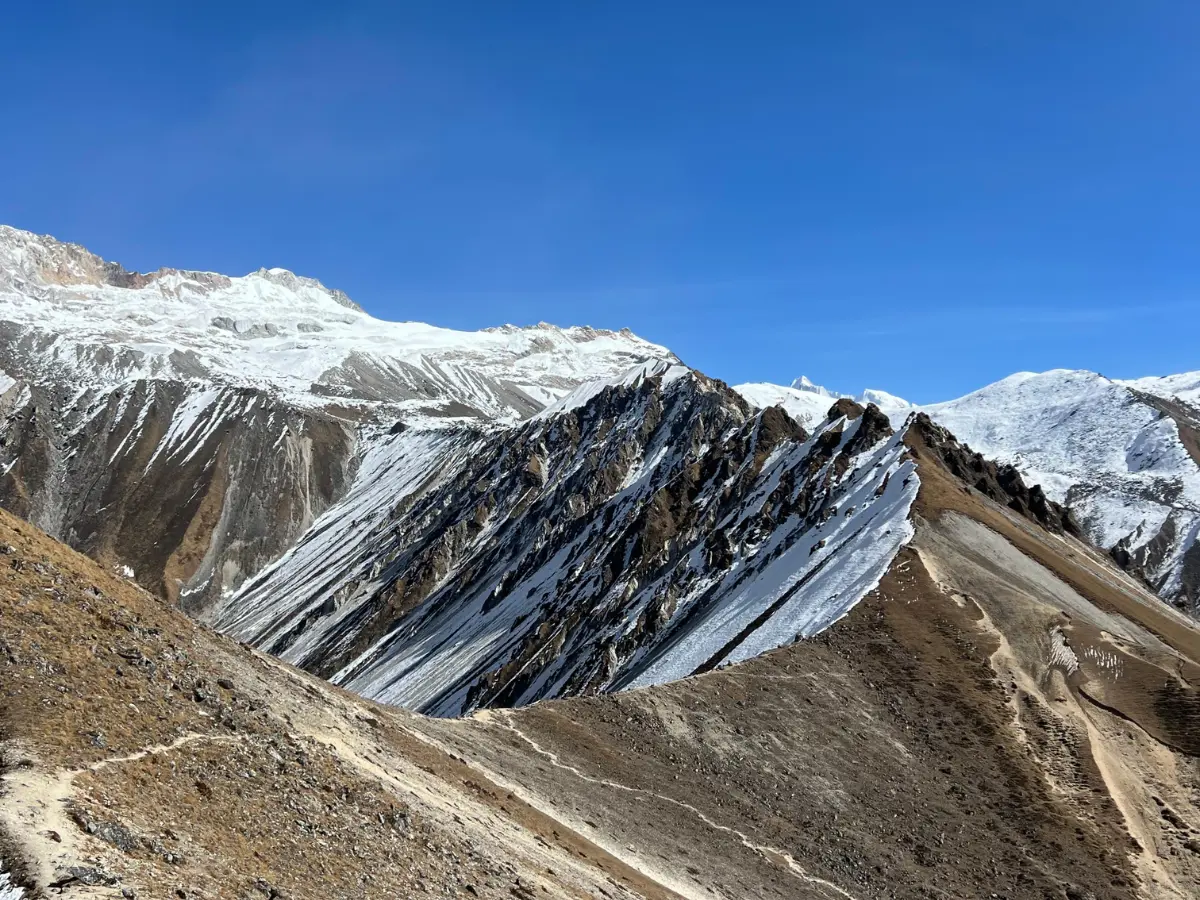
Further up from Kyanjin Gompa, it starts getting more distant and alpine. The trek to the Yala Peak Base Camp passes through yak pastures, moraines, and rocky glacial areas. This section provides spectacular scenery of the mountains and a nice scenic gradient from the green valleys into the high country of the wilderness. As the altitude rises, the surrounding air temperature decreases, and the conditions are harsher.
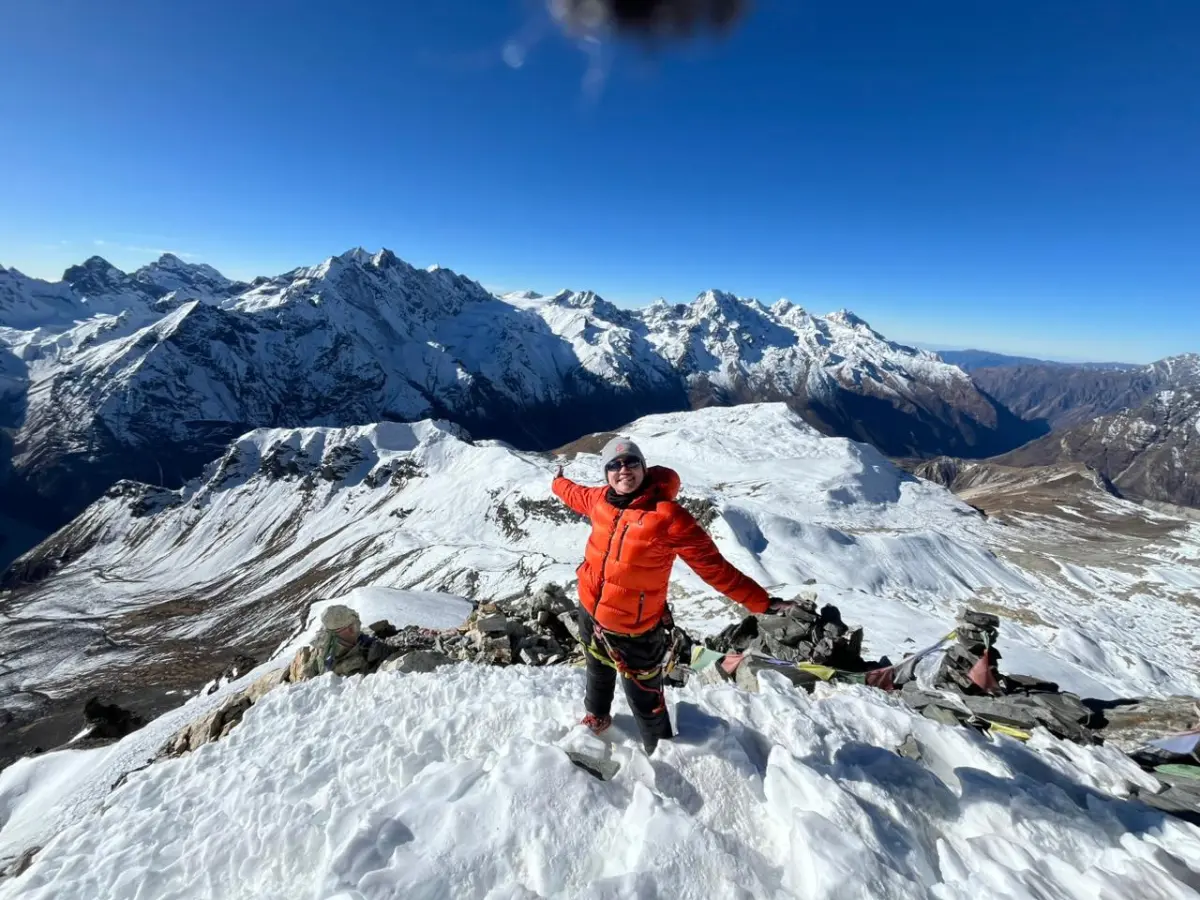
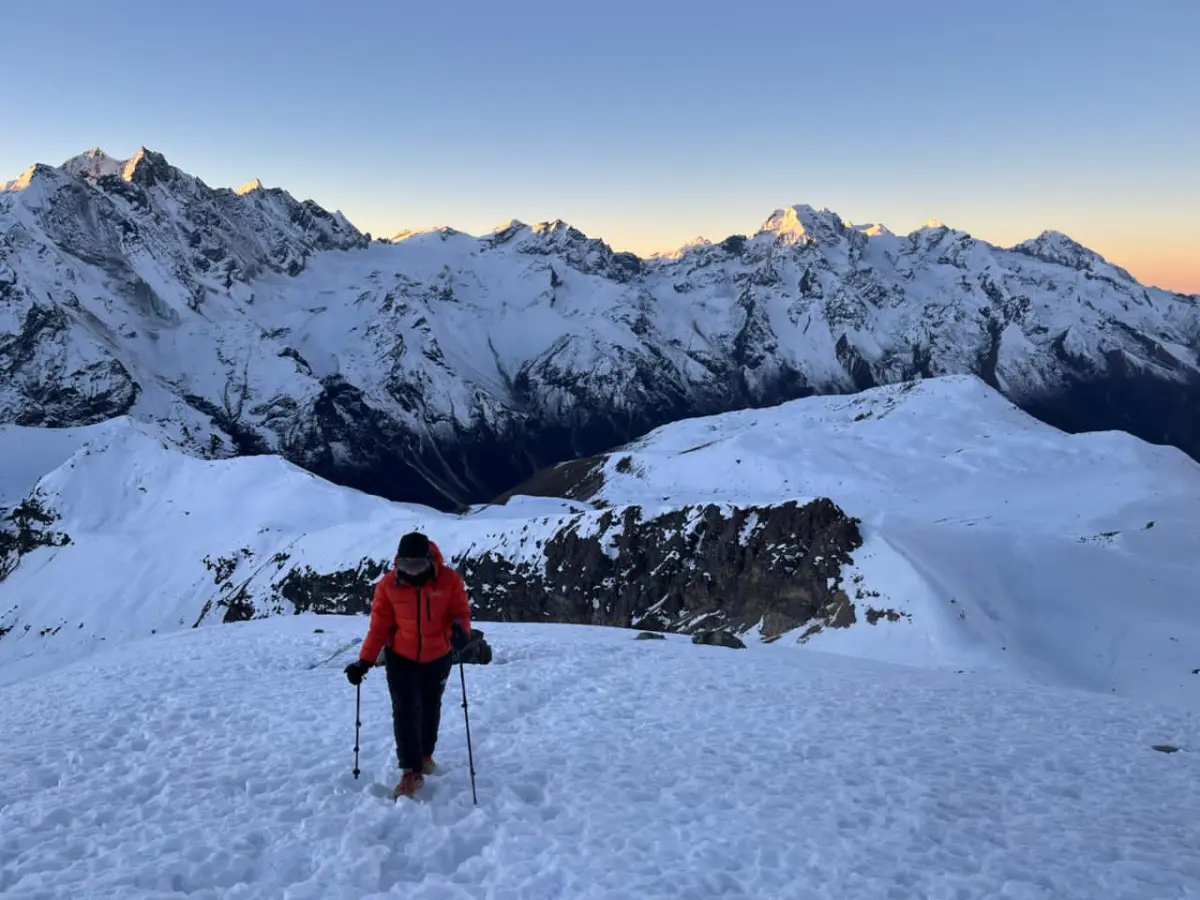
The final section from base camp to the summit is short but physically demanding. The trail involves steep snow slopes and loose rocky sections depending on the season. While the climb is not highly technical, it requires careful footing, endurance, and proper acclimatization. Most climbers attempt the summit early in the morning when conditions are more stable.
Elevation and Distance on Yala Peak Climbing
The Yala Peak climbing expedition starts at about 1,400m in Kathmandu and ends at the summit at about 5,500m. The trek is about 60-70 km in total from the start to the end point, depending on the day-by-day plan and acclimatization stages.
The summits come in a gradual manner during the first days of the hike, allowing the body to acclimatize slowly to the higher levels. The hike, however, becomes quite steep after Kyanjin Gompa, particularly to base camp and the top. This steep ascent is the toughest stretch of the route.
Trekkers typically cover between 4 and 7 hours of walking per day on average while on the trek. Time will vary based on terrain, weather, and pace. It takes 6-9 hours round-trip to the final summit push, depending on altitude and snow conditions.
Although the total distance is not extremely long compared to other Himalayan expeditions, the high altitude makes the trek more challenging. Short distances can be difficult to complete above 4500 m, as there is less oxygen available.
Permits required for Yala Peak Climbing
Yala Peak climbing doesn’t actually require a climbing permit, but requires other permits like the Langtang National Park entry permit and a TIMS card. The trek to the region of Langtang Valley requires prior proper arrangements before the actual trek by obtaining the necessary permits to enter legally and trek in the safeguarded Himalayan area. These permits contribute to the safety and regulation of trekking activities and conservation in Langtang National Park and the environs of the Langtang Valley.
Langtang National Park entry permit.
It is an entrance fee that all trekkers must pay to enter the Langtang region. This permit contributes to the conservation of wildlife, environmental conservation, and maintenance of trails since the trek is located in a conservation area. This permit will be required at different checkpoints on the trekking path.
TIMS Card (Trekkers’ Information Management System)
The TIMS card is mandated to provide safety and security for trekkers in Nepal. It assists in keeping an eye on trekkers and rescue efforts by the authorities in case of an emergency. This system is particularly necessary in the remote trekking regions, such as the Langtang Valley.
Where to obtain the permits?
Such permits are available in Kathmandu, either at the Nepal Tourism Board or licensed trekking agencies. All required permits are obtained in advance by most trekking companies, such as Suka Jalanjalan, and thus the process is not hectic but straightforward and hassle-free for the travelers.
Important Tips
Also, never forget your permits on the trek since they will be examined at several points of entry. Ensure that you have the right details and have duplicates of these. With the right permits, the Yala Peak climb will be smooth and legal.
Views during the Yala Peak Climbing
Yala Peak Climbing is known to have a variety of spectacular scenery with some of the most beautiful Himalayan views in Nepal. The scenery of the Langtang region is also diverse; as you pass through lush forests and high alpine terrain, every day of your trek is a rewarding and memorable experience.
Himalayan Mountain Views
The view of towering glacial mountains such as Langtang Lirung, Dorje Lakpa, and the Himalayan ranges around is one of the highlights of the trek. These snow-capped mountains are the center of the skyline, and they are more spectacular as you rise in altitude. The uninterrupted sight, particularly in the evening and the morning, makes trekkers have a magical Himalayan experience.
Glaciers and Alpine Scenes.
Further up into the valley, the landscape becomes rough alpine landscapes with glaciers, rock cuts, and open valleys. The Langtang Glacier region provides its guests with a wild and dramatic natural environment, which provides trekkers with a real experience of the Himalayan wilderness within Langtang National Park.
Forests and River Valleys
The last half of the trek is through thick forests of rhododendron, bamboo, and pine trees. These trails will accompany you on the way of flowing rivers and waterfalls that will also contribute to the peaceful and refreshing atmosphere. Such green scenery offers a nice contrast to the snowy mountains above.
Flora and Fauna.
Langtang is a biodiversity area, and the trekker is likely to see wildlife like red pandas, Himalayan deer, and other species of birds. The forests are beautiful in nature, and the journey is both adventurous and relaxing due to the fresh mountain air.
Sunrise Sea View and Sunset View.
Some of the most memorable moments of the trek are sunrise and sunset. The snow-covered peaks are reflected in the golden light, which provides stunning scenery that can be captured in photography. These can be best viewed from elevated positions on the trail beginning at Kathmandu.